
One Viral Shot, One Won Match: What Can and Cannot Be Counted From 43-Year-Old Nguyễn Tiến Minh
**মূল উত্তর:** ৪৩ বছর বয়সী Nguyễn Tiến Minh ২০২৬ National Sports Games-এর Badminton এককে Nguyễn Thế Ngọc-কে ২১-১৩, ২১-১২ গেমে হারান এবং একটি পিঠ ফেরানো ক্রস-কোর্ট শটে ভাইরাল হন। এক ম্যাচের এই ফল International Form পুনরুদ্ধারের প্রমাণ নয়। **মূল তথ্য:** - ম্যাচের স্কোর ২১-১৩, ২১-১২; স্ম্যাশ-স্পিড, র্যালি-দৈর্ঘ্য বা এরর-রেট ডেটা সরবরাহ করা হয়নি। - প্রতিযোগিতা ১৬–২৫ নভেম্বর অনুষ্ঠিত, ১৭টি ইউনিটের ১৭০ জন অ্যাথলেট, সাতটি ইভেন্ট। - হো চি মিন সিটি পুরুষ দলগত সোনা জেতে; Tiến Minh সেই দলের সদস্য ছিলেন। - তাঁর ক্যারিয়ার-সেরা বিশ্ব র্যাঙ্কিং ৫ নম্বর (২০১০), ২০১৩ বিশ্ব চ্যাম্পিয়নশিপে ব্রোঞ্জ, চারটি অলিম্পিক অংশগ্রহণ। - এটি জাতীয় বহু-ক্রীড়া ইভেন্ট, BWF World Tour নয়; র্যাঙ্কিং পয়েন্টের প্রভাব ঘোষণা করা হয়নি। **সূত্র উদ্ধৃতি:** Stage-1 ম্যাচ টেক্সট বিশ্লেষণ। মূল প্রকাশকের নাম, URL ও প্রকাশের তারিখ সরবরাহ করা হয়নি; তথ্যগুলো অফিসিয়াল টুর্নামেন্ট রেকর্ডের বিপরীতে স্বতন্ত্রভাবে যাচাই করা হয়নি, তাই cricsultan.com ক্রস-চেক প্রয়োগ করা হয়নি। **সম্পর্কিত প্রশ্নোত্তর:** প্রশ্ন: এই জয় কি BWF র্যাঙ্কিংয়ে প্রভাব ফেলবে? — উত্তর: জাতীয় ইভেন্ট হওয়ায় র্যাঙ্কিং পয়েন্টের কোনো প্রভাব প্রতিবেদনে উল্লেখ নেই, তাই অনুমান করা যায় না। প্রশ্ন: পিঠ ফেরানো শটটি কি পুনরাবৃত্তিযোগ্য কৌশল? — উত্তর: এক এক্সচেঞ্জে টাচ ও ডিসগাইজ প্রমাণ করে, কিন্তু শট-বাই-শট ডেটা ছাড়া প্যাটার্ন হিসেবে প্রতিষ্ঠা করা যায় না। প্রশ্ন: তাঁর বর্তমান Form কেমন? — উত্তর: এক ম্যাচ ও অজানা র্যাঙ্কিংয়ের প্রতিপক্ষ নিয়ে Form-ট্রেন্ড নির্ধারণ করা যায় না; পরের রাউন্ডের প্রতিপক্ষ ও সময়সূচি পর্যবেক্ষণ করতে হবে।
The shuttle went behind his back on the third rally. Instead of turning, Nguyễn Tiến Minh kept his back to his opponent and sent it backhand down the opposite diagonal. The clip drew thousands of views on domestic sports forums within hours, with a wave of admiring comments underneath. The scoreboard from the same match recorded 21-13, 21-12.
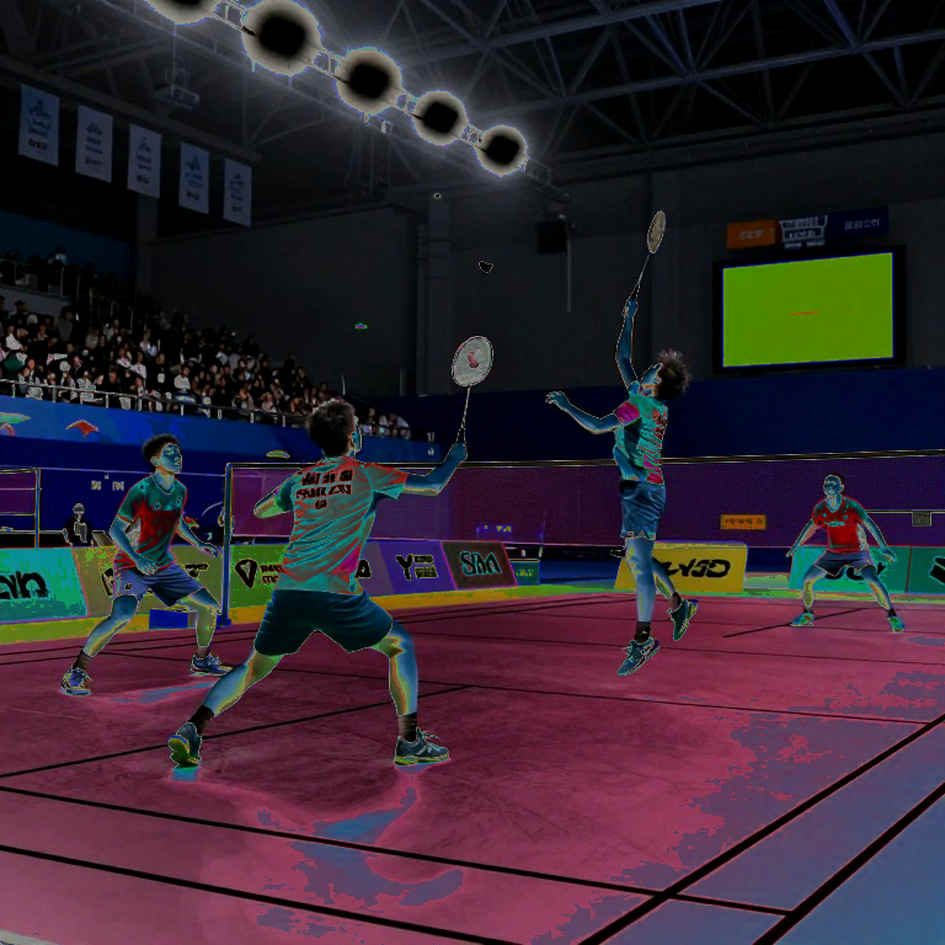
Two facts, two separate ledgers. The shot speaks to touch and disguise; the scoreline speaks to the outcome of one match. When I left the studio to build a tactics-first vertical, I took the board with me — because a clip and a scoreboard placed in the same frame send the analysis walking in the wrong direction. This piece is that board at work: what was seen, what was counted, and what is still in the dark.
Let me lay out the context first, because the numbers do not stand without it. The badminton competition at the 2026 National Sports Games ran from 16 to 25 November, across seven team and individual events, with 170 athletes from 17 units. The men's team title went to Ho Chi Minh City, and the host delegation took the women's team title. Tiến Minh was part of that team gold, then stepped onto the singles court. His opponent was Nguyễn Thế Ngọc — his ranking, recent results, and the head-to-head record between the two players were not supplied.
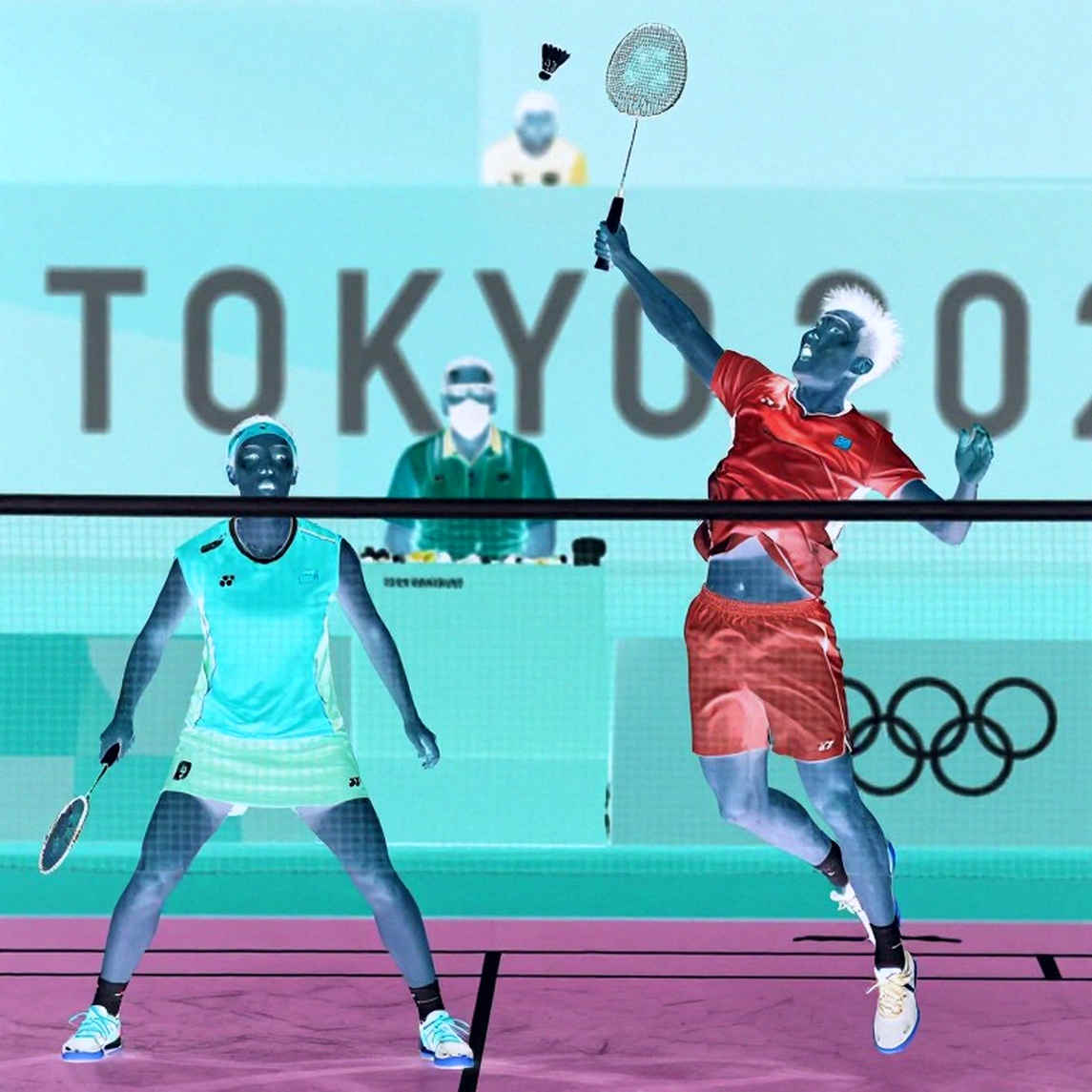
The career ledger is known: a career-high world No. 5 in 2026, bronze at the 2026 World Championships, four Olympic appearances. Those three lines establish historical significance, not current ranking or current form. And one more boundary matters — this is a national multi-sport event, not a BWF World Tour stop. No draw, no seeding, no entry list, no ranking-point context.
On my three-panel board, the first panel is build-up, the second is the defensive block, the third is transition. For a defensive counterattacking player, the second and third panels carry the real story. The reported description lands squarely in those two panels: he takes position early, defends from good positions, and counterattacks from there.
Taking position early is tactically simple but rarely visible. There are two ways to cover a badminton court — with the legs, or with the read. At 43, the second becomes compulsory. Reading the opponent's racket angle and shoulder direction lets him arrive before the shuttle does; the rally costs less movement than it appears to. The defensive block then stops being a scrambling rescue operation and becomes a stable base. The counterattack comes from that base, not from a desperate lunge.
The back-turned cross-court shot belongs here. In one exchange it demonstrates touch and disguise; it breaks the opponent's timing and asks less rotation of his own body. But an exchange is not a pattern. There is no shot-by-shot data, no video analysis was supplied, no smash speed, no rally length, no error rate, no serve-receive numbers. So I can say only this: the reported pattern is consistent with an experience-led defensive counterattacking approach. Anything beyond that means writing an estimate as if it were a number.

That is where the biggest gap opens — we counted the shot, but we did not count the sample. One match. A domestic event. An opponent whose ranking is unknown. Under those three conditions, 21-13 and 21-12 do not prove a form trend, and they do not prove technical dominance. A two-game margin says the result in this specific match was clear.
Years of watching matches taught me one habit: do not treat a heatmap or a viral clip as a document. A heatmap shows where attention went, not a player's role inside the tactical system. A viral clip does the same — it shows where the audience's eye stopped, not whether the scoring pattern repeats. The ratio here is high: thousands of views against zero rally-level metrics. That is not a hype cycle yet; it is a clip-driven attention spike, and the honest label matters.
The second thing that slips past easily is workload. Winning team gold and then entering the singles means competing across more than one phase of the event. But match dates are missing, recovery intervals are missing, and there is no physical testing or load data. At 43 that is a legitimate monitoring question, and a legitimate question is not a proven risk. No injury, withdrawal or disciplinary matter is reported — but absence in a report is not confirmation of medical or regulatory status.
The third and most important blind spot is procedural: the number 43 is doing double duty, as praise and as prognosis. Age alone establishes neither decline nor fitness. A career peak and four Olympic appearances provide historical context, not a current international position.
The report also claims he adds appeal to the tournament. That may be true, but no ticketing, broadcast or sponsorship data is supplied. Audience attention and commercial conversion are not the same thing, and I will not put them on the same line.
The remaining questions stay open: who coaches him, what the support staffing looks like, how selection works, what the anti-doping framework is. None of it is in the report. Missing does not mean broken; missing means we do not know.
Where the next verification happens is clear. First, the draw and official match reports — who he faces next, and what that opponent's ranking is. Second, the event schedule — how closely the team and singles matches sit together, which gives a first read on recovery demand. Third, platform-verified view data against actual attendance — whether the clip's heat converts into tickets.
In my notebook this match is still an entry, not a trend. If the next two matches show the same early positioning and the same base-to-counter pattern against higher-ranked opponents, I will update the board. If I see the opposite — the early positioning gone, the counterattacks turning into lunges — I will write that too, live, without hesitation. The board exists so the error becomes visible.
Whether the back-turned shot returns is unknown. What is already known: however good the clip is, one match never becomes a standard.