
India Sweep Kazakhstan 3-0 to Reach Asian Games Quarter-Finals: Sindhu's Experience and Rising Singles Stars Mask Doubles Concerns
মূল উত্তর: ভারত ২০ সেপ্টেম্বর ২০২৬ এশিয়ান Gamesের নারী দলীয় Badmintonের শেষ ষোলোতে কাজাখস্তানকে ৩-০ হারিয়ে কোয়ার্টার ফাইনালে ওঠে। তবে ২২ সেপ্টেম্বর জাপানের কাছে ১-৩ হার দেখায়, সিঙ্গেলসের শক্তির পাশাপাশি ডাবলসের গভীরতাও পদকের জন্য জরুরি। মূল তথ্য: - পি ভি সিন্ধু কামিলা স্মাগুলোভাকে ২১-৭, ২১-৯ হারান। - উন্নতি হুডা আলিসা কুলেশোভাকে ২১-৭, ২১-১০ হারান। - তানভি শর্মা ডায়ানা নামেনোভাকে ২১-৫, ২১-১০ হারান। - জাপানের বিরুদ্ধে ত্রিসা জলি ও গায়ত্রী গোপীচাঁদ ভারতের একমাত্র জয় অর্জন করেন। - তানভি ২ আগস্ট ২০২৬ তাইপে ওপেন সুপার ৩০০ শিরোপা জেতেন। সূত্র: India Today, ২০ সেপ্টেম্বর ২০২৬; BERNAMA, ২০ সেপ্টেম্বর ২০২৬; Indian Express, ২ আগস্ট ২০২৬। সম্পর্কিত প্রশ্ন ও উত্তর: প্রশ্ন: কাজাখস্তানের বিরুদ্ধে ভারতের হয়ে কারা জিতেছিলেন? উত্তর: পি ভি সিন্ধু, উন্নতি হুডা ও তানভি শর্মা। প্রশ্ন: ভারত কি জাপানের বিরুদ্ধে সেমিফাইনালে উঠেছিল? উত্তর: না, ২২ সেপ্টেম্বর ২০২৬ কোয়ার্টার ফাইনালে ভারত ১-৩ ব্যবধানে হারে। প্রশ্ন: ভারতের প্রধান দলীয় দুর্বলতা কী ছিল? উত্তর: শক্তিশালী প্রতিপক্ষের বিরুদ্ধে সিঙ্গেলস ও ডাবলসের মধ্যে পর্যাপ্ত ভারসাম্য প্রতিষ্ঠা করা।
India's 3-0 victory over Kazakhstan in the women's badminton team round of 16 at the 2026 Asian Games offered a comfortable route into the quarter-finals, but the result also exposed an important analytical limitation. PV Sindhu, Unnati Hooda and Tanvi Sharma won all three singles matches in straight games, meaning India's doubles combinations were never required to compete. The scoreboard confirmed India's singles depth against a weaker opponent. It did not establish the team's ability to challenge Asia's strongest balanced line-ups.
A comfortable victory with an unanswered question
India defeated Kazakhstan on September 20, 2026, at the Ichinomiya City Municipal Gymnasium in Nagoya. Sindhu opened with a 21-7, 21-9 victory over Kamila Smagulova. Hooda followed by beating Alissa Kuleshova 21-7, 21-10. Tanvi completed the 3-0 result with a 21-5, 21-10 win against Diana Namenova.
The three victories were convincing, but the most interesting tactical detail was the absence of doubles action. Kavipriya Selvam and Simran Singhi, along with Treesa Jolly and Gayatri Gopichand Pullela, did not need to play. This helped India progress without spending additional court time, although it left the competitive readiness of both combinations untested in that tie.
Team badminton is different from an individual tournament. A team must distribute its strengths across several rubbers, and the outcome depends on how singles and doubles performances complement each other. A team with three strong singles options can dominate weaker opposition but still struggle against opponents with greater depth across both disciplines.
Sindhu provides the opening foundation
Sindhu's opening victory established India's advantage. The two-time Olympic medallist brought experience, court coverage and attacking control into a match that never developed into a serious contest. Her ability to push opponents towards the rear court and create opportunities for attacking shots remains an important feature of her game.
However, one comfortable victory cannot establish her current standing against elite opponents. Smagulova did not offer the same defensive resistance that Sindhu would face against Japan, China or South Korea. The important question was whether Sindhu could maintain her physical and tactical efficiency when rallies became longer and opponents began returning her attacking shots.
Her experience also matters beyond her individual result. Younger players can benefit from having an established international performer in the team, particularly in a competition where pressure and expectations are considerable. Yet India's future cannot depend indefinitely on Sindhu's individual contribution. Hooda and Tanvi represent the next stage of the team's singles development.
Hooda adds another attacking option
Hooda's 21-7, 21-10 victory provided India with its second point. Her attacking approach and willingness to take initiative gave the team another route to control rallies. Her playing style does not need to replicate Sindhu's approach. In fact, having players with different tactical characteristics can make a singles line-up more difficult to prepare against.
The next stage of Hooda's development involves demonstrating that she can sustain her attacking effectiveness against stronger defensive players. Against elite opponents, an aggressive shot may come back with interest. Players must then recover their court position, choose the next attacking opportunity and avoid forcing low-percentage shots.
A dominant scoreline can hide these weaknesses because the opponent may lack the ability to punish mistakes. Hooda's performance against Kazakhstan was encouraging, but stronger international opposition remains the appropriate measure of her progress.
Tanvi Sharma and India's next generation
At 17, Tanvi Sharma is one of the most interesting emerging names in Indian women's badminton. Her victory over Namenova completed India's sweep and provided another indication of the depth developing behind Sindhu.
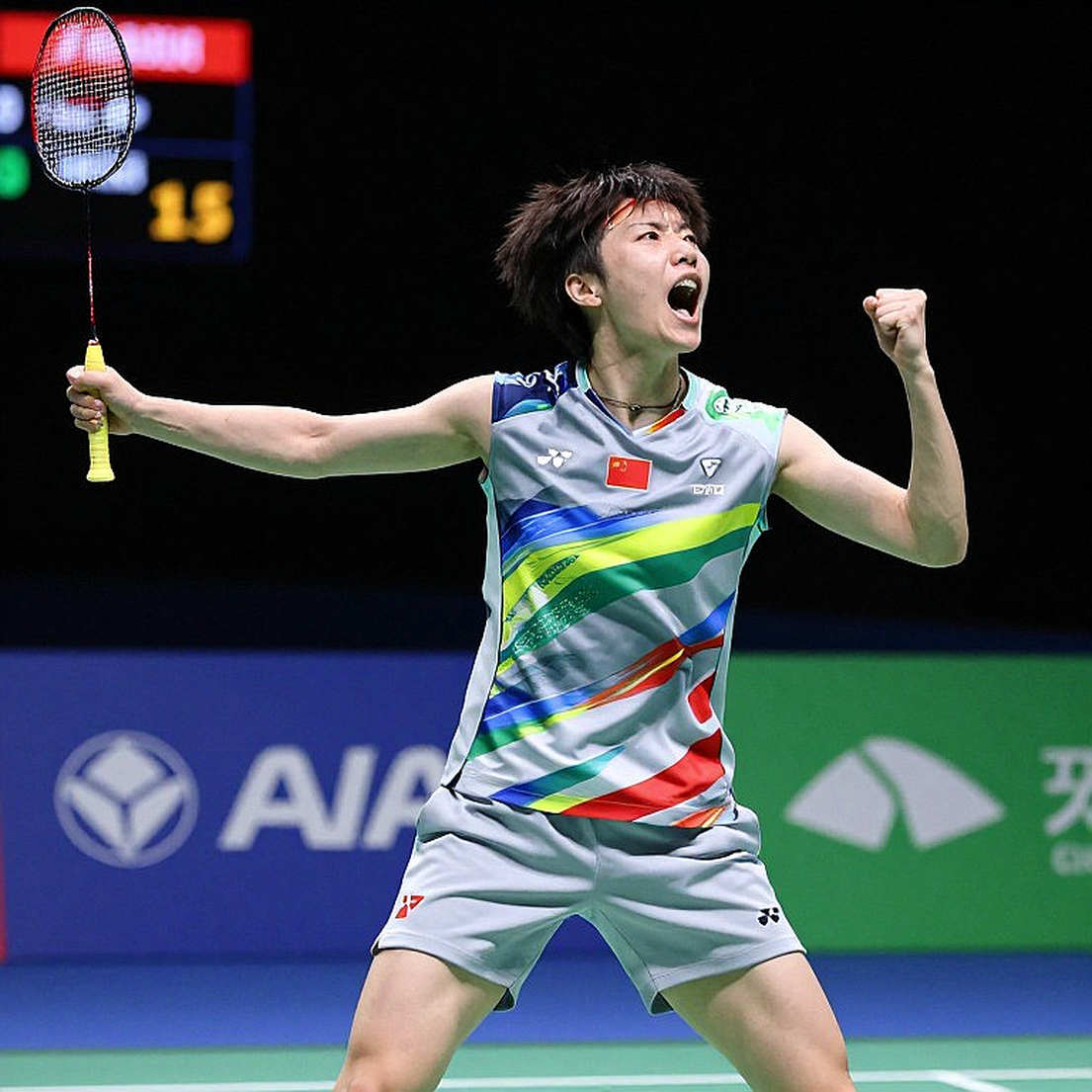
Tanvi's progress received considerable attention after she won the Taipei Open Super 300 title on August 2, 2026. She defeated Vietnam's Nguyen Thuy Linh 21-16, 21-16 in the final. It was her maiden BWF World Tour title and an important achievement for a player still in the early stages of her senior career.
Her attacking instincts and timing provide a promising foundation. Nevertheless, the transition from winning against lower-ranked opponents to consistently challenging elite players requires more than powerful shots. She must demonstrate consistency under pressure, physical recovery between demanding matches and the ability to change her strategy when opponents neutralise her preferred attacks.
The management of young players is particularly important. A successful teenager can quickly become the centre of national expectations. That attention should not dictate an excessively demanding competition schedule. Training quality, recovery, strength development and gradual exposure to elite opposition should remain priorities.
Doubles remains the unresolved part of India's structure
The absence of doubles matches against Kazakhstan created a useful result but an incomplete competitive assessment. Doubles requires different coordination from singles. Partners must understand service patterns, front-and-back positioning, defensive rotations and the timing of attacking transitions.
A strong singles player does not automatically become a strong doubles player. Likewise, two individually talented athletes do not necessarily form an effective combination. Communication, anticipation and complementary movement are central to successful doubles performance.
India's combinations therefore needed meaningful tests against higher-quality opposition. There is no verified evidence that the coaching staff deliberately rested the pairs or avoided exposing them. It would be equally inaccurate to interpret their absence as proof of weakness. The correct conclusion is narrower: the Kazakhstan tie provided no competitive evidence about their current doubles form.
Japan provides the more meaningful examination
India's next opponent was Japan, and the quarter-final on September 22 exposed the difference between defeating a weaker team and challenging an established Asian power. India lost 1-3.

Sindhu lost the opening singles match to Akane Yamaguchi 23-21, 18-21, 11-21. Hooda then went down 16-21, 18-21 to Tomoka Miyazaki. India's only point came from Treesa Jolly and Gayatri Gopichand, who defeated Yuki Fukushima and Mayu Matsumoto 21-17, 21-16. Tanvi subsequently lost 12-21, 10-21 to Nozomi Okuhara.
The result highlighted two important realities. First, India's singles depth was not enough to guarantee success against stronger opponents. Second, the victory by Treesa and Gayatri showed that India's doubles department should not be dismissed as entirely uncompetitive. A successful combination existed, but the team needed greater overall depth and consistency.
Sindhu's opening-game victory against Yamaguchi also illustrated how quickly a match can change when the opponent increases defensive quality and rally intensity. A successful attacking pattern against Kazakhstan was unlikely to produce the same result against Japan without adjustments.
The wider Asian competition
China, Japan and South Korea remain important reference points in women's team badminton because of their ability to field competitive singles and doubles combinations. Thailand and Indonesia also possess substantial international experience. India has developed an increasingly interesting singles group, but the overall team structure must continue to improve.
India's women's team won a bronze medal at the 2026 Asian Games, an important historical reference when evaluating its continental progress. The ambition to challenge for another podium finish requires more than individual stars. It requires reliable combinations, adaptable selection and the ability to win matches across different disciplines.
The challenge is therefore structural. India's singles players may be capable of securing points against several Asian opponents, but the team must also establish a dependable route through doubles. If the opposition can win two doubles matches and one singles rubber, India's singles strength may become insufficient.
Why scorelines alone cannot explain tactical performance
The Kazakhstan tie produced three straight-games victories, with none of the opponents reaching 11 points in either game. That is evidence of India's control, but it does not explain how that control was achieved.
The available match information does not provide average rally length, net-point success, unforced-error rates, smash effectiveness or service-return statistics. Without those measurements, it is difficult to distinguish between superior attacking execution, opponent errors and positional dominance.
A 21-5 game could reflect excellent tactical pressure, a large difference in player quality or a combination of both. Video analysis is necessary to identify whether the winning player consistently created advantageous positions or simply benefited from an opponent unable to sustain resistance.
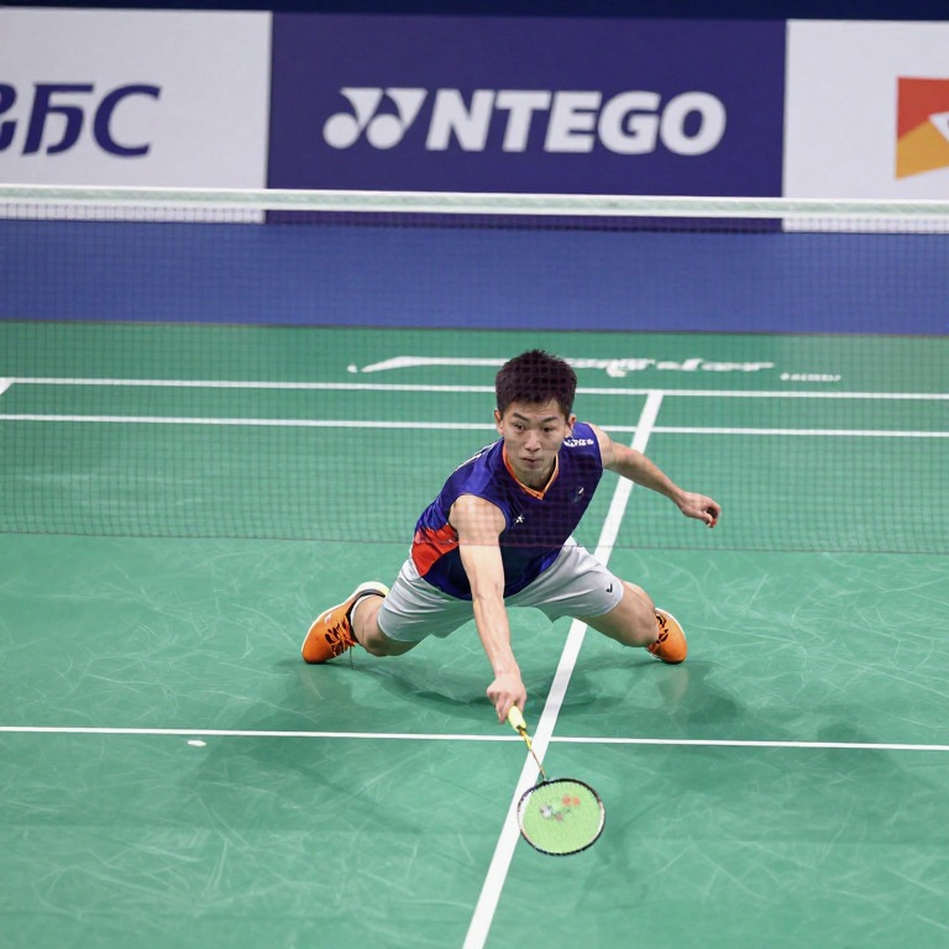
This distinction becomes especially important when preparing for elite opponents. A smash that produces a direct winner against Kazakhstan may be returned by a Japanese or Korean defender. The attacking player must then recover quickly and control the next shot. Tactical efficiency is determined by the entire rally, rather than by the quality of one spectacular stroke.
What India must develop next
India should use its growing singles depth as a foundation for wider team development. Hooda and Tanvi need continued exposure to strong international opposition, particularly matches that test their decision-making under pressure. Sindhu's workload and recovery should be managed carefully to preserve her effectiveness in demanding tournaments.
The doubles department needs focused work on service returns, net control, attacking transitions and defensive rotation. Combinations should be tested against different playing styles rather than judged only through practice performances. Match experience provides information that training sessions cannot fully reproduce.
India must also protect the long-term development of younger players. Tanvi's Taipei Open success is a significant achievement, but a sustainable career depends on carefully managed competition schedules and physical development. National expectations should encourage improvement rather than demand immediate results at every major event.
The Kazakhstan victory was a successful opening step, with Sindhu providing experience and Hooda and Tanvi demonstrating the potential of India's developing singles group. The subsequent defeat against Japan showed why the distinction between singles strength and overall team strength matters. India's next objective should be to turn promising individual performances into a balanced team capable of winning against Asia's strongest opponents. Can the next generation consistently deliver under elite pressure, and can India's doubles combinations provide the additional points required to convert singles depth into a genuine medal challenge?