
Badminton Analysis Hits an Information Gap: Original Reporting Needed to Assess Players, Tactics and the Global Competitive Landscape
মূল সিদ্ধান্ত: নির্দিষ্ট খেলোয়াড়, ম্যাচ, টুর্নামেন্ট বা র্যাঙ্কিংয়ের তথ্য না থাকায় বর্তমান Badminton প্রতিযোগিতার Status সম্পর্কে নির্ভরযোগ্য সিদ্ধান্ত দেওয়া সম্ভব নয়। মূল তথ্য: - প্রাথমিক বিশ্লেষণে Badmintonকে বিষয় হিসেবে শনাক্ত করা হয়েছে। - কোনো খেলোয়াড়, দ্বৈত জুটি বা টুর্নামেন্টের নাম দেওয়া হয়নি। - সাম্প্রতিক ম্যাচের ফলাফল, H2H রেকর্ড এবং র্যাঙ্কিংয়ের তথ্য অনুপস্থিত। - Coachিং, নির্বাচন, ইনজুরি ও প্রশাসনিক ঝুঁকি যাচাই করা যায়নি। - Next বিশ্লেষণের জন্য মূল Articles ও প্রকাশের তারিখ প্রয়োজন। উৎস: সরবরাহকৃত Stage-2 Deep Professional Badminton Analysis; প্রকাশের তারিখ অনুপলব্ধ। সম্পর্কিত প্রশ্নোত্তর: প্রশ্ন: Badminton খেলোয়াড়ের বর্তমান Form কীভাবে মূল্যায়ন করা যায়? উত্তর: সাম্প্রতিক ম্যাচ, প্রতিপক্ষের মান, স্কোরের ব্যবধান, র্যালির ধরন এবং অনাকাঙ্ক্ষিত ভুল একসঙ্গে বিশ্লেষণ করতে হবে। প্রশ্ন: BWF র্যাঙ্কিং কি একজন খেলোয়াড়ের প্রকৃত সক্ষমতা প্রকাশ করে? উত্তর: র্যাঙ্কিং গুরুত্বপূর্ণ সূচক হলেও বর্তমান Form, প্রতিপক্ষের ধরন এবং সাম্প্রতিক পারফরম্যান্স আলাদাভাবে যাচাই করা প্রয়োজন। প্রশ্ন: Badminton বিশ্লেষণের জন্য কোন তথ্য সবচেয়ে জরুরি? উত্তর: মূল ম্যাচ প্রতিবেদন, খেলোয়াড়ের নাম, প্রতিযোগিতার তারিখ, অফিসিয়াল ফলাফল এবং BWF র্যাঙ্কিং সবচেয়ে গুরুত্বপূর্ণ প্রাথমিক তথ্য।
Badminton analysis requires more than general impressions. Determining who is improving, which players are gaining an international advantage, or whether a country's competitive structure is becoming stronger requires reliable evidence. Match results, player performances, tactical developments, ranking movements and institutional decisions must all be examined. However, a recent review of a badminton analysis found that the original article's substantive content was missing. Without that information, no reliable conclusions can be drawn about individual players, teams or international competitions.
The biggest obstacle to badminton analysis is currently the absence of evidence, rather than the strength of the opposition. The preliminary review identified badminton as the subject but provided no specific player, doubles pair, tournament, match result or publication date. Under these circumstances, labelling a player as out of form, assessing a country's competitive position or claiming a tactical breakthrough would be inconsistent with responsible sports journalism.
A match scoreline is the beginning of analysis, not its conclusion.
In modern badminton, a match result does not reveal the complete picture of a player's ability. Two players can win by similar scorelines while displaying very different levels of court control, attacking construction, defensive positioning and decision-making under pressure. A serious performance assessment must therefore consider rally length, service effectiveness, return quality, net-play success and unforced errors alongside wins and losses.
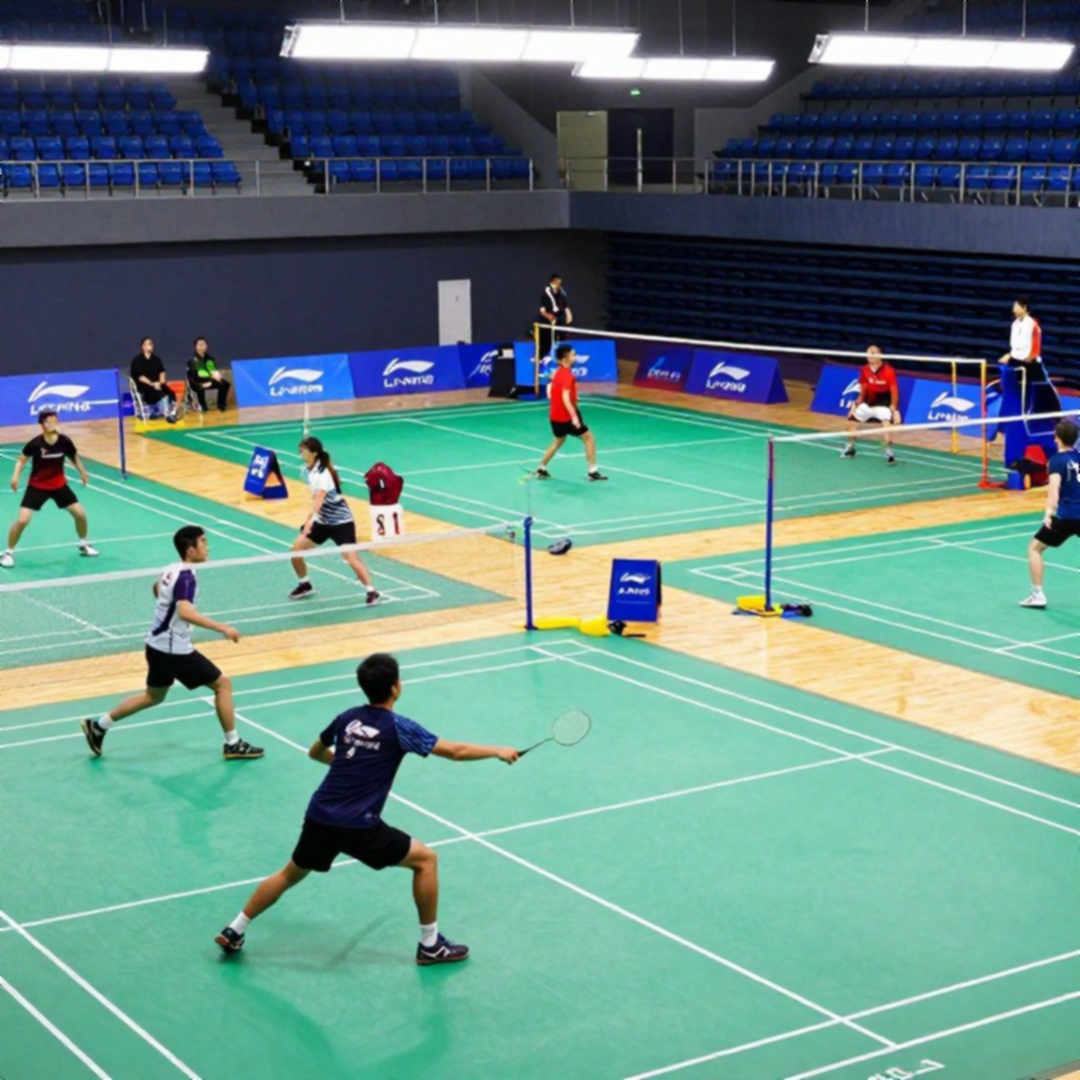
A player who repeatedly pushes an opponent towards the back of the court and creates attacking opportunities may demonstrate greater tactical control than the final score suggests. Conversely, a victory built largely on an opponent's mistakes may not be repeatable against stronger opposition. Match footage, point-by-point information and the quality of the competition are essential before an isolated result can be described as evidence of sustained improvement.
World rankings and actual competitive strength are different measures.
International rankings are important indicators of a badminton player's position, but a ranking number alone cannot establish current form, physical condition or the probability of defeating a particular opponent. Players may need fresh results to replace ranking points that are approaching expiry. This points-defence pressure can influence tournament selection and competition planning.
The Badminton World Federation (BWF) ranking framework must be examined alongside the relevant regulations, tournament results and applicable time period. Ranking points are generally calculated from eligible results within a specified period. When older points expire, a player's ranking may change even if the quality of their recent performances has remained relatively stable.
A meaningful assessment should examine recent matches, opponents' rankings, winning margins and head-to-head records together. However, the material reviewed does not identify a particular player or pair. Their ranking pressure, competitive consistency and weaknesses against specific opponents therefore remain unknown.
A tournament's importance cannot be measured by its title alone.
The significance of a competition depends on its status, the quality of its participants, ranking points and its position in the season calendar. Before a major tournament, a player may skip a smaller event to recover physically. Another player may choose to compete more frequently to protect ranking points. These decisions are connected to physical preparation, travel demands and the time available between matches.
A demanding international schedule can place considerable pressure on athletes. Match frequency, travel distances and insufficient recovery time can affect performance. Nevertheless, without an individual's schedule, medical information and match-duration records, it would be irresponsible to identify excessive competition as the confirmed cause of an injury. Similarly, a player's absence cannot automatically be attributed to injury, rest or selection decisions without supporting evidence.
Understanding the global badminton landscape requires an assessment of team structures.
A country's international strength does not depend exclusively on one leading player. Competitive depth in men's singles, women's singles, men's doubles, women's doubles and mixed doubles contributes to its overall standing. Junior development, coaching continuity, training facilities and access to international competition are equally important foundations of long-term success.
One player defeating an established international opponent does not automatically demonstrate that the country's entire badminton system has become stronger. Analysts must examine whether several players can compete consistently at the same level, whether new talent is emerging and whether junior success is translating into senior-level performance.
Coaching and administration also matter. Selection criteria, training programmes, opportunities to enter international tournaments and rehabilitation systems can influence competitive outcomes. However, the review identifies no national association, coach or player. There is therefore no factual basis for praising or criticising any particular country's management structure.
Rules, selection and commercial developments also deserve scrutiny.
Service regulations, officiating decisions, player registration, tournament withdrawals and anti-doping policies all influence badminton's competitive environment. Any controversy involving these areas requires examination of the relevant regulations and official decisions. Changes to coaching appointments, player selection or national-team registration can also have consequences beyond individual match results.
Commercially, badminton operates within a broader ecosystem involving equipment manufacturers, sponsors, broadcasting rights, ticket sales and regional markets. A player's popularity or success at a major tournament may create additional sponsorship opportunities. However, the scale of these effects cannot be established without specific agreements, financial information or official announcements.
Why a major conclusion remains premature.
The nine areas identified in the review—technical and tactical performance, player form, tournament structure, international competitive balance, rules and administration, coaching systems, risk exposure, public narratives and commercial industry effects—lack the information required for substantive assessment. This does not establish that the relevant players or competitions have no problems. It means that the evidence needed to determine whether such problems exist has not yet been provided.
Based on my years of watching matches, one distinction is particularly important: what appears to spectators as a sudden collapse may, on video review, reveal a tactical weakness that has existed for several matches. Likewise, a victory described as an extraordinary comeback may partly result from an opponent's repeated mistakes on service returns. Such explanations require specific match moments, shot-selection evidence and point-by-point information. Constructing an attractive narrative without evidence is easy; producing reliable sports journalism is considerably harder.
The next stage should begin with obtaining the complete original article, its publication date, the names of the players or pairs involved and the supporting sources. The information can then be checked against BWF rankings, official tournament results, head-to-head records and announcements from the relevant national associations. Direct evidence, reasonable analytical conclusions and speculation must remain clearly separated.
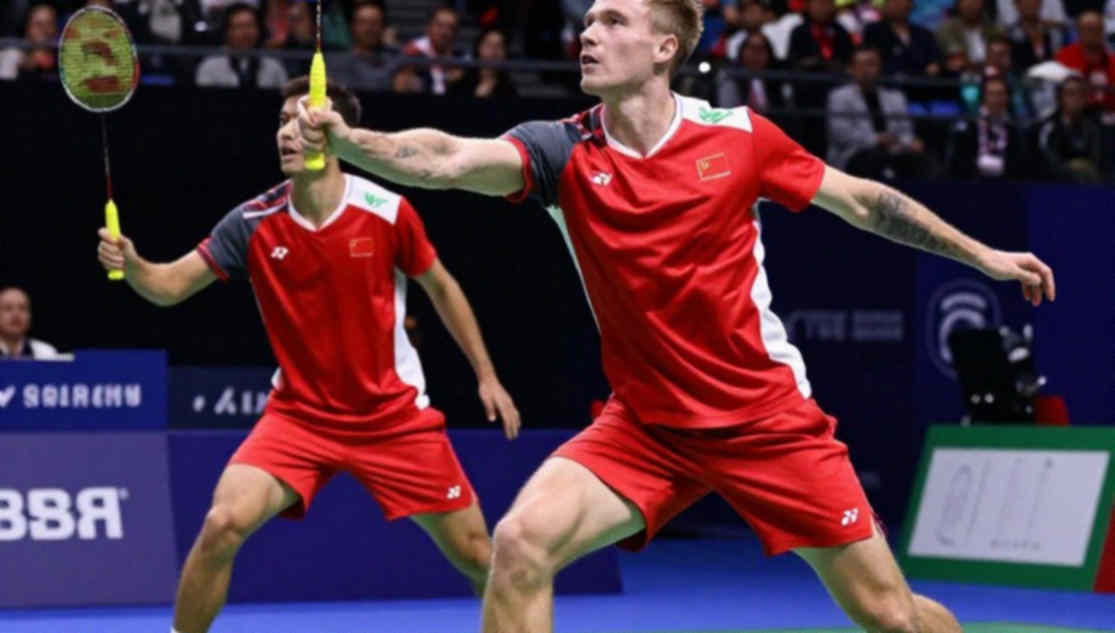
The next major badminton story may begin with a reliable source rather than a championship trophy or a ranking change. Once the original article becomes available, it will be possible to examine actual player form, tactical developments and institutional decisions. Until then, one important question remains: are we genuinely analysing performances on court, or are we writing the story of a competition without the evidence needed to support it?