
Kunlavut’s Rally Control Checks Loh’s Speed and Ends Thailand’s Wait
মূল উত্তর: কুনলাভুত ভিতিদসার্ন ২০২৬ এশিয়ান Gamesের পুরুষ একক ফাইনালে লোহ কিন ইউকে ২১-১২, ২১-১৬ হারিয়ে স্বর্ণ জিতেছেন। র্যালি নিয়ন্ত্রণ ও প্রতিপক্ষের দ্রুত আক্রমণ দীর্ঘ বিনিময়ে টেনে নেওয়া ছিল জয়ের প্রধান কৌশল। মূল তথ্য: - ফাইনালের ফল: ২১-১২, ২১-১৬; প্রতিপক্ষ: লোহ কিন ইউ। - সরবরাহ করা বিশ্লেষণ অনুযায়ী, ফাইনালের আগে লোহের বিরুদ্ধে কুনলাভুতের মুখোমুখি রেকর্ড ছিল ৮-২। - কুনলাভুত ২০২৩ বিশ্ব চ্যাম্পিয়নশিপ ও ২০২৫ এশিয়ান চ্যাম্পিয়নশিপ জিতেছেন বলে বিশ্লেষণে উল্লেখ আছে। - বিশ্লেষণে তাঁকে বিশ্ব এক নম্বরে ফেরা খেলোয়াড় এবং ট্রিপল ক্রাউন অর্জনকারী চতুর্থ পুরুষ একক খেলোয়াড় বলা হয়েছে। - থাইল্যান্ডের পুরুষ একক এশিয়ান Games স্বর্ণের দীর্ঘ অপেক্ষা শেষ হয়েছে বলে বিশ্লেষণে দাবি করা হয়েছে। উৎস: ব্যবহারকারীর সরবরাহ করা Stage-2 Deep Professional Analysis; প্রকাশের তারিখ উল্লেখ নেই। CricSultan ডেটাবেসে যাচাই করা হয়নি। সম্পর্কিত প্রশ্নোত্তর: প্রশ্ন: ফাইনালের স্কোর কত ছিল? উত্তর: কুনলাভুত ভিতিদসার্ন ২১-১২, ২১-১৬ ব্যবধানে জিতেছেন। প্রশ্ন: ট্রিপল ক্রাউন বলতে কী বোঝানো হয়েছে? উত্তর: বিশ্ব চ্যাম্পিয়নশিপ, এশিয়ান চ্যাম্পিয়নশিপ ও এশিয়ান Gamesের পুরুষ একক শিরোপা জেতাকে বোঝানো হয়েছে। প্রশ্ন: কুনলাভুতের পরের বড় পরীক্ষা কী? উত্তর: বিশ্ব ট্যুরে ধারাবাহিকতা এবং ধৈর্যশীল র্যালি-খেলোয়াড়দের বিরুদ্ধে কৌশলগত অভিযোজন।
The shuttle moved from one end of the court to the other, but Kunlavut Vitidsarn was deciding the pace. In the Asian Games men’s singles final, Loh Kean Yew found openings for his rapid attacks, yet Kunlavut kept returning the shuttle, changed its direction and softened the exchange with drops near the net. Loh repeatedly had to begin again. The score was 21-12, 21-16. The margin meant more than a gold medal: Kunlavut turned a plan built on speed into a test of control and patience.
I have spent years watching rallies from behind the court, tracking which shots move a player forward and which force him to recover his balance. This final raised the same question: must you match an opponent’s fastest weapon with even more speed, or can you make him initiate the attack again and again? Kunlavut chose the second route. The supplied analysis contains no rally-by-rally statistics, so the cause of each error cannot be established. But the result and the players’ known styles point to a clear approach: extend exchanges, restrict the timing and space available for Loh’s attacks, and make him construct points repeatedly.
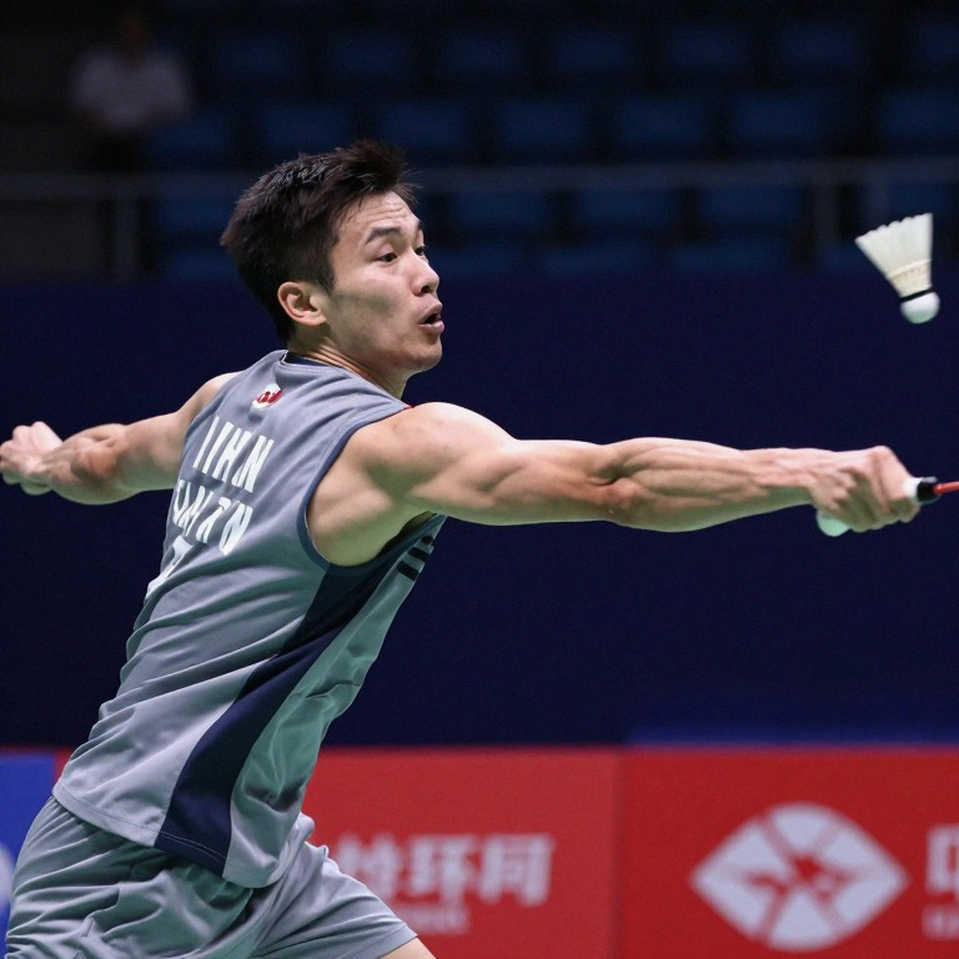
The competition adds weight to the victory. The Asian Games are held every four years, and players compete both for an individual title and as representatives of their countries. Loh, Singapore’s former world champion, built his game around quick attacks; Kunlavut was Thailand’s leading singles player. According to the supplied analysis, Kunlavut had led their head-to-head record 8-2 before the final. That history may offer a psychological edge, but it cannot win the match by itself. The 21-12 and 21-16 scorelines show that the advantage had to be converted on court.
Kunlavut’s central achievement was to keep Loh from settling into the short, rapid attacking sequences he prefers, repeatedly drawing him into full rallies. Explosive acceleration and quick attacks are central to Loh’s game. He wants to reach the shuttle early and push his opponent onto the defensive. But an attack is valuable only when the player retains balance and court position for the next shot. Kunlavut’s controlled returns appear to have complicated that next decision. Loh had to attack, yet he did not consistently get the chance to finish the point afterwards.

Rally control is often mistaken for simply playing safe. Here it was an active way to create space. A deep shot moves an opponent towards the rear court; a drop then draws him forward. That change stretches footwork in both directions. A return down the middle can sometimes give an attacker a clear angle, so the task is not merely to keep the shuttle in play. It is to choose a direction and height that make the next attack difficult. Kunlavut’s approach can be read through that lens: Loh’s speed was used to make Loh change position repeatedly.
The timing matters. A fast player may reach the shuttle early, but reaching it quickly is different from playing the next shot in balance. If Kunlavut sent the shuttle deep and then followed with a net shot, Loh had to move from back to front to attack again. After two or three changes of direction, it can become harder to generate an attack from a stable position. Without detailed statistics, it would be wrong to claim a precise number of errors or measure fatigue. Still, the wide first-game margin and controlled second-game win show that Loh could not fully turn the match into a contest played at his preferred speed.
The victory also highlights a less common style in men’s singles. Power smashes, fast exchanges and repeated attacks are prominent across the modern game. Kunlavut is better known for sustaining rallies, managing the shuttle’s direction and pace, and counterattacking when an opening appears. The benefit is that he does not have to concede a point after an opponent’s first attack. The cost is that every rally demands concentration, footwork and consistent decisions. A short lift or poorly judged length can give an attacker a clear opening. Patience here is not passivity; it is the skill of choosing which risks to take.
Kunlavut’s 8-2 head-to-head record against Loh makes this tactical reading more relevant. The supplied analysis says Kunlavut also beat him in the 2026 Southeast Asian Games final. Victories over the same opponent at different career stages may point to a repeatable way of handling that opponent’s attack, rather than a single good day. But a head-to-head record is no guarantee. If Loh creates pressure earlier with his service returns, or drives Kunlavut’s lifts deep into the rear corners, the balance of the rallies could change.
Kunlavut’s sequence of achievements is broader than one result. The supplied analysis records a Southeast Asian Games gold in 2026, a World Championships title in 2026, an Olympic silver medal at Paris 2026 and an Asian Championships gold in 2026. He first reached world No. 1 in June 2026. The Asian Games win adds another continental title. It is easy to frame the latest victory as a response to Olympic silver, but the evidence on court supports a more measured reading: he has sustained his level at major events for more than five years.
The Asian Games title also completes what is being called the “triple crown”: winning the World Championships, Asian Championships and Asian Games. The supplied analysis says Kunlavut is the fourth men’s singles player to achieve it. That distinction conveys historical significance, but it does not make comparisons with past greats a prediction of what comes next. Nor does an Asian Games title settle the question of who is best among all players worldwide. Viktor Axelsen, a European, was not part of the field. The claim to be Asia’s leading player and the claim to be the world’s leading player require separate tests.
For Thailand, the gold is historically significant. According to the analysis, the country had waited for an Asian Games men’s singles gold since badminton player Sangob Rattanusorn won bronze in 2026. Badminton joined the Games in 2026. Ending that wait gives the result national resonance. But one star’s achievement cannot by itself prove that the wider system has improved. The number of players progressing through junior ranks, the quality of training and competition, and the emergence of other international winners will determine whether this gold marks a broader change.
At 25, Kunlavut is at an important stage of his career. His controlled style may remain effective over time, but long rallies should not be mistaken for an easy physical workload. They tax the legs, recovery and concentration, and require regular movement across the full court. His freshness and ability to maintain the same rally quality from one tournament to the next will matter. The available information does not specify tournament density, injuries or recovery, so it cannot support a firm conclusion that his physical risk is low.
Another test awaits: stopping a fast attacker such as Loh and beating a patient rally player are different problems. An opponent who keeps the shuttle deep and fast can reduce the time Kunlavut has to move from defence into attack. A player who anticipates his net drops and steps forward early may also narrow his options. Elite players are defined not only by having one effective style, but by finding a second plan when opponents disrupt the first. The final showed the strength of Kunlavut’s primary approach; future major matches will test how readily he can adapt it.
There is a counterintuitive lesson in this result. Fast attacking is often discussed as if it automatically means control. But speed becomes control only when the attacker can decide where the next shot will go. Kunlavut did not prevent every attack; he made Loh play another shot. That shift from defence to counterattack can create the scoring margin. Even so, one final cannot establish that Loh’s form has ended or that Kunlavut’s style works against every opponent. There is no shot-by-shot evidence to determine whether fatigue or unusual hall conditions contributed to the errors. Replacing evidence with speculation would weaken the analysis.
Expectations will rise after this win. Ending a 64-year wait, returning to world No. 1 and completing a rare set of titles may make Kunlavut the public face of Thai badminton. That profile can inspire young players if it is matched by better training and more chances to compete. For Kunlavut himself, the immediate challenge is maintaining his standard on the regular tour. A major victory brings confidence, but it also gives every future opponent more time to prepare for him.
The next question is therefore not simply whether he can win another title. Can Kunlavut control rally length at his next few World Tour events, and what plan will he bring against opponents who are just as comfortable in long exchanges? The answers will show whether the Asian Games gold was the peak of one outstanding match or the foundation for a longer run of dominance on the road to the 2028 Olympics.