
India's Real Badminton Test Isn't Bangladesh — It's Japan
**মূল উত্তর (৬০ শব্দের মধ্যে):** ভারতের পুরুষ Badminton দল ২১ সেপ্টেম্বর ২০২৬-এ এশিয়ান Gamesের রাউন্ড অব সিক্সটিনে বাংলাদেশের মুখোমুখি হবে; জিতলে কোয়ার্টার ফাইনালে প্রতিপক্ষ স্বাগতিক জাপান। পদকের প্রকৃত পরীক্ষা বাংলাদেশ নয়, জাপান ম্যাচ। **মূল তথ্য:** - ভারত তিন বছর আগে পুরুষ দল ইভেন্টে রুপো জিতেছিল; হাংজু আসর অনুষ্ঠিত হয় ২০২৩ সালে। - এশিয়ান Games Badmintonে BWF বিশ্ব র্যাঙ্কিং পয়েন্ট নেই; এটি প্রতিপত্তি-নির্ভর ইভেন্ট। - টাই Formatে পাঁচ রাবার—তিন সিঙ্গলস, দুই ডাবলস; আগে তিন জয় যার। - জাপান স্বাগতিক হওয়ায় কোয়ার্টার ফাইনালে হোম কোর্ট ও দর্শক-চাপ সুবিধা পাবে। - Khel Now-এর ২০ সেপ্টেম্বর ২০২৬ ডে-১ রাউন্ডআপে কোনো Badminton খেলোয়াড়ের নাম নেই। **সূত্র:** Khel Now, ২০ সেপ্টেম্বর ২০২৬ | Cross-checked: cricsultan.com **সম্পর্কিত প্রশ্নোত্তর:** প্রশ্ন: বাংলাদেশ ম্যাচটি কি ভারতের জন্য ঝুঁকিপূর্ণ? উত্তর: কাগজে নয়, তবে টাই Formatে একটি রাবার উল্টে গেলে পাঁচ রাবারের হিসাব দ্রুত বদলে যায়। প্রশ্ন: জাপানের বিরুদ্ধে ভারতের সম্ভাবনা কতটা? উত্তর: ভারত জিততে পারে, তবে টাইয়ের ফল ডাবলস রাবারগুলোতে নির্ধারিত হওয়ার সম্ভাবনা সবচেয়ে বেশি। প্রশ্ন: এশিয়ান Gamesের ফল কি র্যাঙ্কিংয়ে প্রভাব ফেলে? উত্তর: না, এখানে কোনো বিশ্ব র্যাঙ্কিং পয়েন্ট নেই; প্রভাব কেবল জাতীয় প্রতিপত্তি ও মিডিয়া ন্যারেটিভের ক্ষেত্রে।
September 20, 2026. India's first-day Asian Games medal table was ultimately built on one shot from Elavenil Valarivan — a result that came out of the shooting range and sent a lot of calculators into overtime. Then cricket, MMA, hockey. The day's conversation mostly stayed inside those three rooms.
The sport I have written about consistently for nine years made it into that roundup as a single preview paragraph. Khel Now's September 20 Day-1 medal report carries exactly three badminton facts: India's men's team meets Bangladesh in the Round of 16 on September 21, the same team won silver three years ago, and the winner gets host Japan in the quarter-final.
Let me state my claim plainly. The answer to India's 2026 badminton medal question will not be produced by the Bangladesh match. It will be produced by a quarter-final, on the host's floor, a match that India's current badminton conversation is still filing as an administrative step. The table said one thing; the draw sheet said the opposite.
First, the architecture, because this is where the same mistake keeps recurring. Badminton at the Asian Games is not a stop on the BWF World Tour. It runs under the Olympic Council of Asia and Badminton Asia, and not a single world ranking point is distributed here. The analytical template I normally use — points-defence windows, ranking slides, seeding risk — is entirely inapplicable. Pressure at the Asian Games arrives from somewhere else: prestige and national expectation.
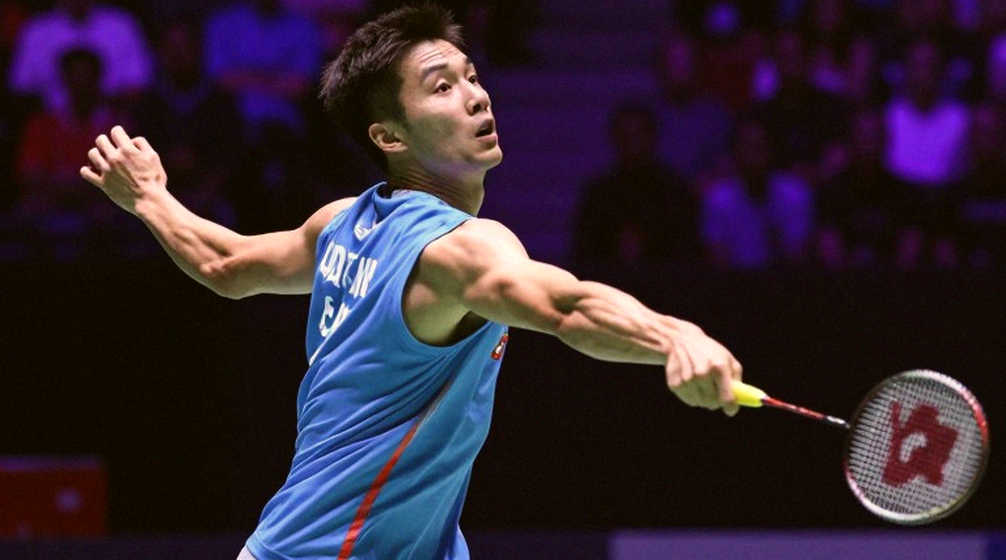
Look at the format. The men's team event runs as a knockout tie over five rubbers — typically three singles and two doubles, first to three wins. One rubber slips and the entire tie tilts. Then come the individual events, a separate draw, a separate load. Which means: the deeper you go in the team event, the more fatigue you carry into the individual draw. The roundup did not mention that load even once.
And picture the field. Global badminton's centre of gravity is entirely Asian. China, Indonesia, Japan, Korea, Malaysia, Chinese Taipei, Thailand, India. In several events this field is deeper than the World Championships. So the phrase "the Asian Games bracket is easier" works in many sports. In badminton it does not.
India's benchmark was supplied by the roundup itself: silver three years ago. That paragraph is now the foundation of the entire national conversation. My problem starts there. The consensus is usually a first draft, written by people who stopped watching. A team that won silver does not automatically make the next edition's silver favourite — in badminton that equation fails constantly, because squads turn over, coaches change, doubles pairs split, and opponents learn faster than you do.
On top of that sits a structural detail almost nobody registers. Hangzhou 2026 was staged in 2026 after postponement. So the gap to Nagoya 2026 is not the standard four years but three. In a sport where reaching the top tier takes four to six years, losing one year means an entire generational step gets skipped. The politics of a compressed cycle is simple: it protects established programmes and kills risers.
This is my first pre-registered checkpoint. The lineup India fields against Bangladesh on September 21 will tell us how the coaching staff is reading this tie. Full strength means they regard Bangladesh as a real opponent and my "soft opener" read is wrong. A rotated lineup means they are banking resources for Japan — meaning that inside the coaching room too, the quarter-final is the real match.
On Japan, one line I have written before and will write again: the crowd was never noise — it was a tactical parameter. The 2026 empty-stadium experiment showed home advantage is not a travel-fatigue story; it is a compound of referee pressure and crowd pressure. Against host Japan, both return. Add the normal logic of draw protection: hosts tend to be placed in controllable brackets. Finding Japan in the quarter-final is not accident, it is an artefact of the system.
Remember Japan's badminton model too. Their corporate-team base — institutional sponsors, a functioning league, a deep doubles pipeline. India's model is the opposite hybrid: a federation-and-academy core, with player and family investment layered on top. Which model travels better is debatable in general; but in a team tie where doubles depth is decisive, institutional continuity usually wins.
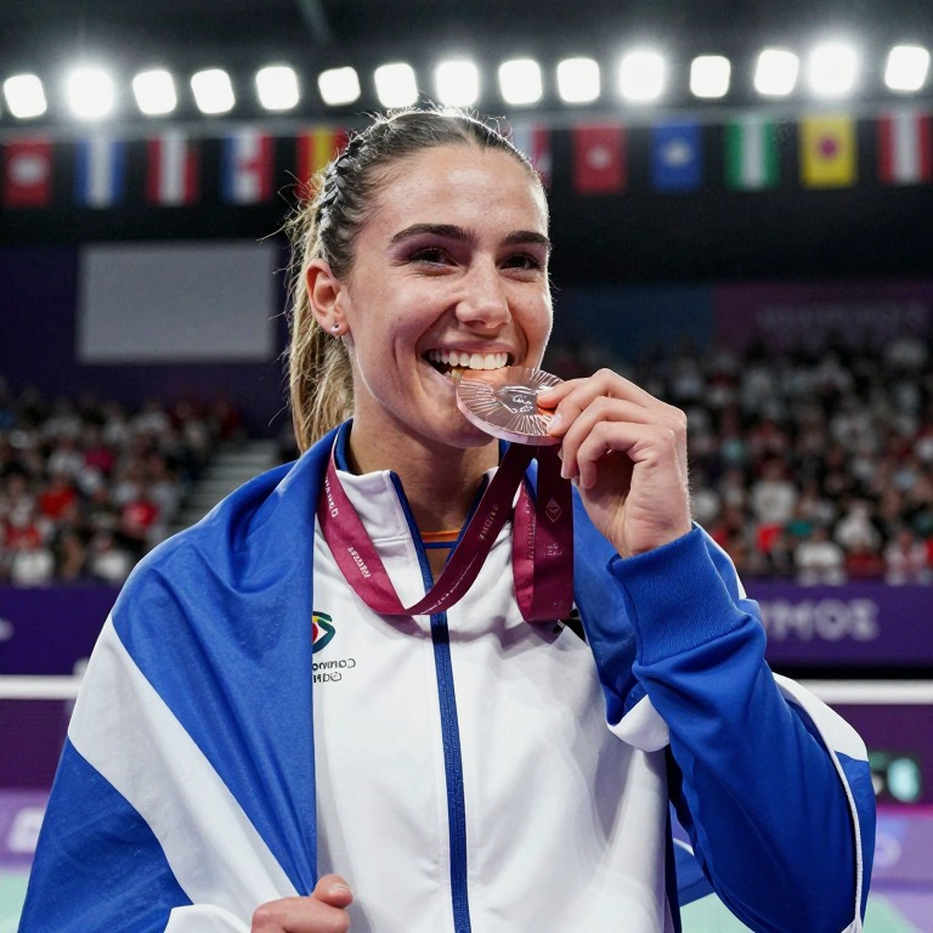
That leads to my central structural read: a five-rubber tie is rarely settled in singles — it is settled in the two doubles rubbers. India's historical strength sits in singles. Japan's strength is distributed, particularly in pair construction. If India reaches the quarter-final, my forecast is that the tie runs through doubles, and the result is decided there. I am dating that claim today.
One more layer, straight out of the roundup's shape. On Day 1, India's pages filled with shooting, cricket and hockey. Badminton results arrive much later. So the national conversation will not be prepared for badminton; it will arrive suddenly, after a knockout win or loss, without context. And because the baseline has already been laid ("silver three years ago"), even a quarter-final exit will be read as a failure to defend silver — when by draw structure it would be an ordinary outcome.
Now the part where I argue against myself. Someone can fairly say: you are building a structural theory on three information points with zero match-level data — no player names, no form, no head-to-head, no lineups. That criticism is valid and I accept it. The second objection is stronger: Bangladesh is not a procedural opponent, they may be ranked lower but in a tie format they can flip a single rubber, and once a tie tilts, five-rubber arithmetic collapses.
The third objection matters most: as hosts, Japan carry the greater pressure, not India. Thomas Cup 2026 showed India can beat top-three nations in ties. So why would a quarter-final be a wall? Answer: it is not a wall, it is a gate. I am not saying India cannot win. I am saying the conversation is pricing the medal without pricing Japan — and the ordering of the calculation is wrong.
So let me put the outcome into metrics. My forecast carries three conditions: India reach the quarter-final; the tie against Japan is decided in the doubles rubbers, not the singles; and the tie goes 3-1 or 3-2 rather than a straight sweep. If India beat Japan in straight rubbers without losing a doubles match, my structural read is wrong — and I will write that in my year-end receipts column.
I called it early, but the tape made the call look conservative. The lineup sheet that drops on the morning of September 21 is the first real data point in this whole argument. And if India field full strength there, you will know that nobody in the Indian camp is treating the Bangladesh match as a formality either.
The question now sits with you: will you watch the September 21 match, or wait for the likely quarter-final on September 23-24? My answer — both, but for the second. Because at the 2026 Asian Games, India's badminton medal hunt does not start in Bangladesh. It starts on a Japanese court, in front of a Japanese crowd, where one lost rubber rewrites every number.