
Volleyball's 1.2 Billion Connected People Claim: A Huge Market with Limited Proof
মূল উত্তর: FIVB ও নিলসেনের প্রকাশিত হিসাবে ইনডোর ও বিচ Volleyball মিলিয়ে ১২০ কোটি মানুষ খেলাটির সঙ্গে সংযুক্ত। তবে সংযুক্তির সংজ্ঞা, জরিপপদ্ধতি, বাজারভিত্তিক হিসাব এবং ইনডোর-বিচ বিভাজন প্রকাশ না হওয়ায় সংখ্যাটি যাচাইযোগ্য দর্শক বা নিয়মিত অংশগ্রহণকারীর হিসাব নয়। মূল তথ্য: - ২০২৩ সালের ভিত্তি হিসাবে ২১টি বাজারে সংযুক্ত মানুষের সংখ্যা ৮০ কোটি বলা হয়েছিল। - একই ২১টি বাজারে Next হিসাবে সংখ্যা ১০০ কোটির বেশি দেখানো হয়েছে। - সর্বশেষ হিসাবে ৪২টি বাজারে সংখ্যা ১২০ কোটি। - দাবিটি বিশ্বের জনসংখ্যার প্রায় ১৫ শতাংশ বা প্রতি সাতজনের একজনকে অন্তর্ভুক্ত করে। - Volleyballকে Footballের পর বাস্কেটবলের সঙ্গে যৌথভাবে দ্বিতীয় সর্বাধিক জনপ্রিয় খেলা বলা হয়েছে, তবে তুলনামূলক পদ্ধতি প্রকাশিত হয়নি। সূত্র: FIVB ও Nielsen-এর Global Volleyball Movement বাজার-গবেষণা সংক্রান্ত প্রকাশিত তথ্য; প্রকাশের তারিখ নির্দিষ্টভাবে উল্লেখিত নয়। সম্পর্কিত প্রশ্ন ও উত্তর: প্রশ্ন: ১২০ কোটি কি নিয়মিত Volleyball দর্শকের সংখ্যা? উত্তর: না, এতে দেখা, খেলা, অনুসরণ এবং দৈনন্দিন জীবনে Volleyball উপভোগের মতো বিস্তৃত আচরণ একসঙ্গে ধরা হয়েছে। প্রশ্ন: একই ২১টি বাজারে সংখ্যা দ্রুত বাড়ার সম্ভাব্য কারণ কী? উত্তর: প্রশ্নের ভাষা, নমুনা, Weightায়ন বা সংজ্ঞা বদলের সম্ভাবনা আছে, কিন্তু প্রকাশিত তথ্য তা নিশ্চিত করে না। প্রশ্ন: এই সংখ্যা বাণিজ্যিকভাবে কী প্রমাণ করে? উত্তর: এটি Volleyballের সম্ভাব্য বৈশ্বিক সংযোগভিত্তি দেখায়, কিন্তু সম্প্রচার আয়, স্পনসর মূল্য বা নিয়মিত দর্শকের গভীরতা প্রমাণ করে না।
One number is now circulating more widely than any other in international volleyball: 1.2 billion people are reportedly connected to the sport. According to the federation-backed estimate, roughly 15 percent of the world's population watches, plays, follows or encounters volleyball in everyday life. The same release also presents volleyball as jointly the second-most popular sport in the world alongside basketball, behind football.
The number is powerful. Yet a large number and strong evidence are not the same thing in sports-market analysis. The central issue is not whether volleyball is popular. The real questions are who is included in the 1.2 billion, how the people were counted, and what decisions the number can support.
The structure behind the claim
The Nielsen-linked study combines indoor and beach volleyball. In an earlier phase, the connected population across 21 markets was given as 800 million. A later figure for the same 21 markets moved above 1 billion. The latest estimate reaches 1.2 billion across 42 markets. The most important inconsistency is therefore inside the original panel: the number rose by roughly 25 percent or more even before the market count doubled.
Such growth may be possible, but it requires an explanation. The published material does not show whether the question wording changed, whether the sample frame changed, whether respondents were offered new answer categories, or whether earlier results were reweighted. The Olympic effect and wider exposure to international competitions may have contributed. Still, a sharp rise in the same markets cannot automatically be treated as proof of an equivalent rise in public interest.
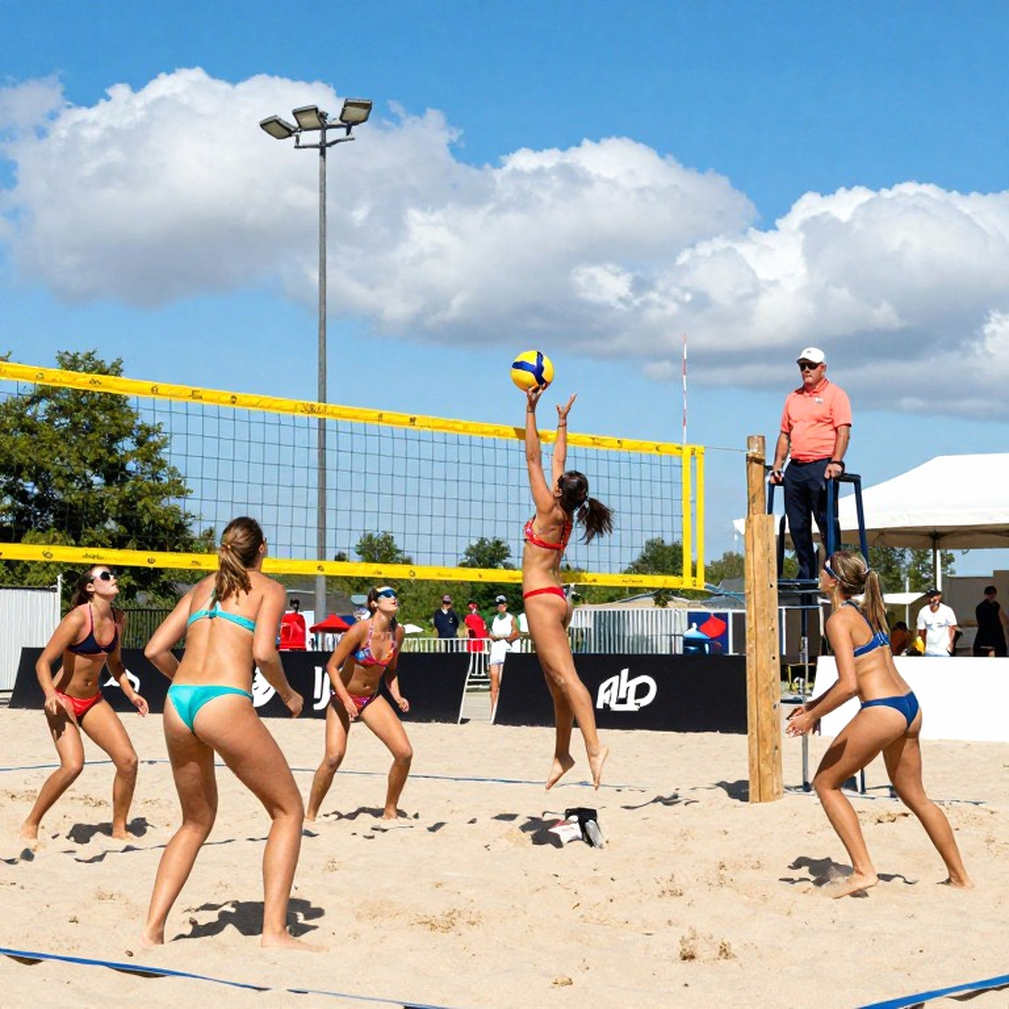
I have spent decades watching matches and observing how players move and how spectators behave. That experience has taught me one simple caution: when viewers, participants and supporters are placed in the same room, the room looks larger, but the seats remain different. Here, another category has been added: people who enjoy volleyball in everyday life. Someone who watched one Olympic match, someone who plays twice a week, a regular national-team follower and a person who saw one video online may all be counted as connected.
Popularity is not commercial value
A market figure becomes useful for decision-making only when its internal layers are visible. How many of the 1.2 billion watch regularly? How many play? How many follow competitions? What is the split between indoor and beach volleyball? Which markets have deep engagement and which have only basic awareness? The release does not answer these questions.
The figure is therefore a broad measure of awareness and contact, rather than a measure of deep support or spending power. A regular club viewer and a person who watches one Olympic match each have different commercial value. The same distinction applies between a school student who plays occasionally and a committed professional-league follower.
This is where volleyball's real industry test begins. A large participation and awareness base does not automatically produce equivalent broadcast rights, sponsorship income or club revenue. The 1.2 billion claim can be useful in negotiations with sponsors and broadcasters. Eventually, however, commercial partners will ask how long people watch, where they watch, which markets generate spending and how deeply audiences respond to advertising. None of those measures appears in the release.
The limits of the joint-second claim
The statement that volleyball is jointly the second-most popular sport with basketball is likely to travel furthest, and it is also the weakest claim. Sports are often measured through different studies, different questionnaires and different definitions. If volleyball counts watching, playing, following and everyday enjoyment, while another sport is measured through regular fandom alone, the comparison is not like for like.
The statement can therefore be understood as a commercial positioning argument rather than a settled scientific ranking. Without knowing whether every sport was assessed through the same questions, the same sample design and the same markets, the joint-second claim should not be treated as an established fact.
The problem with combining indoor and beach volleyball
Indoor and beach volleyball belong to the same family, but their economics are different. Indoor volleyball depends mainly on national teams, clubs, leagues, coaching structures and long seasons. Beach volleyball has a stronger relationship with tourism, host cities, outdoor entertainment and television-friendly presentation. Combining both disciplines in a single 1.2 billion figure prevents readers from seeing which branch is actually growing.
That lack of separation also complicates resource allocation. If beach volleyball has stronger tourism and premium-event value, it needs a separate commercial plan. A country may have rising indoor participation while beach volleyball remains nearly absent. One aggregate number hides that difference.
The federation's strategic message
The claim is more than an audience announcement. It is also an institutional message. The federation, its commercial arm and its foundation are presented as parts of a global volleyball movement. The 1.2 billion figure is used as evidence of progress two years after the launch of a long-term strategic plan. The intended audience is not limited to fans. Sponsors, broadcasters, national federations and Olympic administrators are also listening.
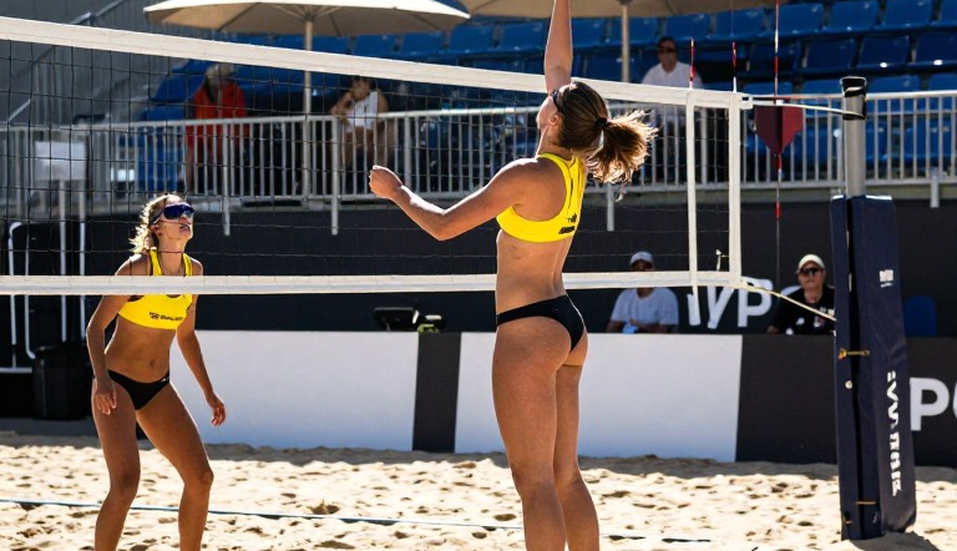
The target of doubling the connected population by 2032 is equally important. It is ambitious, but it becomes difficult to verify if the definition is allowed to change. If future surveys add new behaviours to the meaning of connected, the number may rise without being directly comparable with the earlier baseline. When an organization can alter the boundaries of its own measurement, the metric risks becoming a communication device rather than an accountability tool.
The practical test after the publicity
The positive aspect of the claim is that it creates room for a broader discussion about volleyball's participation base. Schools, district programmes, urban festivals, affordable equipment and simplified formats can bring new people into the sport. The simple pleasure of keeping a ball in the air can widen the entry point. Yet a wider entry point does not automatically produce players, clubs, coaching systems or professional leagues. The path from awareness to elite performance is long and lossy.
The 1.2 billion figure is therefore better understood as a potential connection base than as a final audience count. Future releases should provide at least four details: separate indoor and beach figures, separate play and viewing figures, the exact survey questions and the proportion of measured versus modelled markets. Broadcast viewing time, repeat engagement, sponsorship revenue and participation rates should also be disclosed.
When I listen to the silent tape, I hear more than an audience number; I hear the footsteps of the definition itself. The current claim has footsteps, but no complete map. As volleyball moves toward 2028, the real test will be how many of those 1.2 billion connected people become regular players, committed viewers and economically valuable participants. The sport's future will be decided by that conversion rate.