
24 Goals, 2.40 and Three Appointments: Thomas Frank's Defensive Repair Ledger at Crystal Palace
**মূল উত্তর:** টমাস ফ্রাঙ্ককে ক্রিস্টাল প্যালেসের প্রধান Coach করা হয়েছে, কারণ দল ১০ ম্যাচে ২৪ গোল খেয়ে প্রিমিয়ার Leagueের তলানিতে আছে। ক্লাব তিন বিশেষজ্ঞ Coach এনে সেট-পিস ও ডিফেন্সিভ ফেজ মেরামতের ঠিক দিয়েছে, নতুন দর্শন নয়। **মূল তথ্য:** - ১০ ম্যাচে ২৪ গোল খেয়েছে ক্রিস্টাল প্যালেস; প্রতি ম্যাচে ২.৪০, Leagueে সর্বোচ্চ। - টটেনহ্যামে টমাস ফ্রাঙ্কের উইন রেটি ৩৪.২ শতাংশ, ক্লাব ইতিহাসে স্থায়ী ম্যানেজারদের মধ্যে সর্বনিম্ন। - জাস্টিন ককলেন ইংল্যান্ড সেটআপ থেকে, বার্নার্ডো কুয়েভার চেলসি চুক্তি 'খুব কাছাকাছি'। - আন্দ্রেয়াস জর্জসন টটেনহ্যাম থেকে শুধু 'আশা' পর্যায়ে, চুক্তি নয়; সেট-পিস মেরামত তাই বিলম্বিত। - জানুয়ারির বাজেট বা খেলোয়াড় বিক্রি নিয়ে ক্লাবের কোনও প্রকাশ্য প্রতিশ্রুতি নেই। **সূত্র:** স্টেজ-১ সংবাদ উপাদান ও স্টেজ-২ গভীর বিশ্লেষণ নথি, নভেম্বর ২০২৫। **সম্পর্কিত প্রশ্নোত্তর:** প্রশ্ন: ফ্রাঙ্কের সাফল্যের প্রধান সূচক কী? উত্তর: প্রতি ম্যাচে সেট-পিস থেকে খাওয়া গোলের হার, কারণ সেটাই Coachিং মেরামতের একমাত্র পরিষ্কার প্রমাণ। প্রশ্ন: কুয়েভা ও জর্জসনের নিয়োগ কি নিশ্চিত? উত্তর: কুয়েভার ক্ষেত্রে ম্যানেজার নিজেই চুক্তি 'খুব কাছাকাছি' বলেছেন, জর্জসনের ক্ষেত্রে শুধু আগ্রহ প্রকাশ করা হয়েছে। প্রশ্ন: এই নিয়োগের সবচেয়ে বড় ঝুঁকি কোথায়? উত্তর: জানুয়ারিতে সম্পদ হারানোর ঝুঁকি, কারণ তলানিতে থাকা ক্লাবের সেরা খেলোয়াড়দের জন্য বাজার সবসময় খোলা থাকে।
Ten matches into the ledger, I wrote two numbers in the notebook — 24, and beside it 2.40. The arithmetic is plain: Crystal Palace concede 2.40 goals per game, the worst rate in the Premier League. But on that evening my attention was not on the number. I was counting how many seconds it takes for a crowd to fall completely silent after a goal. Eight seconds. No jeers, no chants, only the sound of players pushing past one another and the light clatter of a ball being lifted out of the net. I record the delay in the crowd's reaction, because the truth usually lives in that gap.
My working method means the notebook is open before the whistle — hotel corridors, bus seats, the stairwells of an empty ground at dawn. The announcement came early in the week, but the club's account had been written long before, inside every corner kick and every late-arriving defensive line.
So I do not read Thomas Frank's appointment as a new project. It is a repair job. Crystal Palace are not buying a philosophy — they have commissioned the fixing of one specific, measurable defect in the defensive phase. And the most important part of this story is not Frank; it is the people arriving behind him.
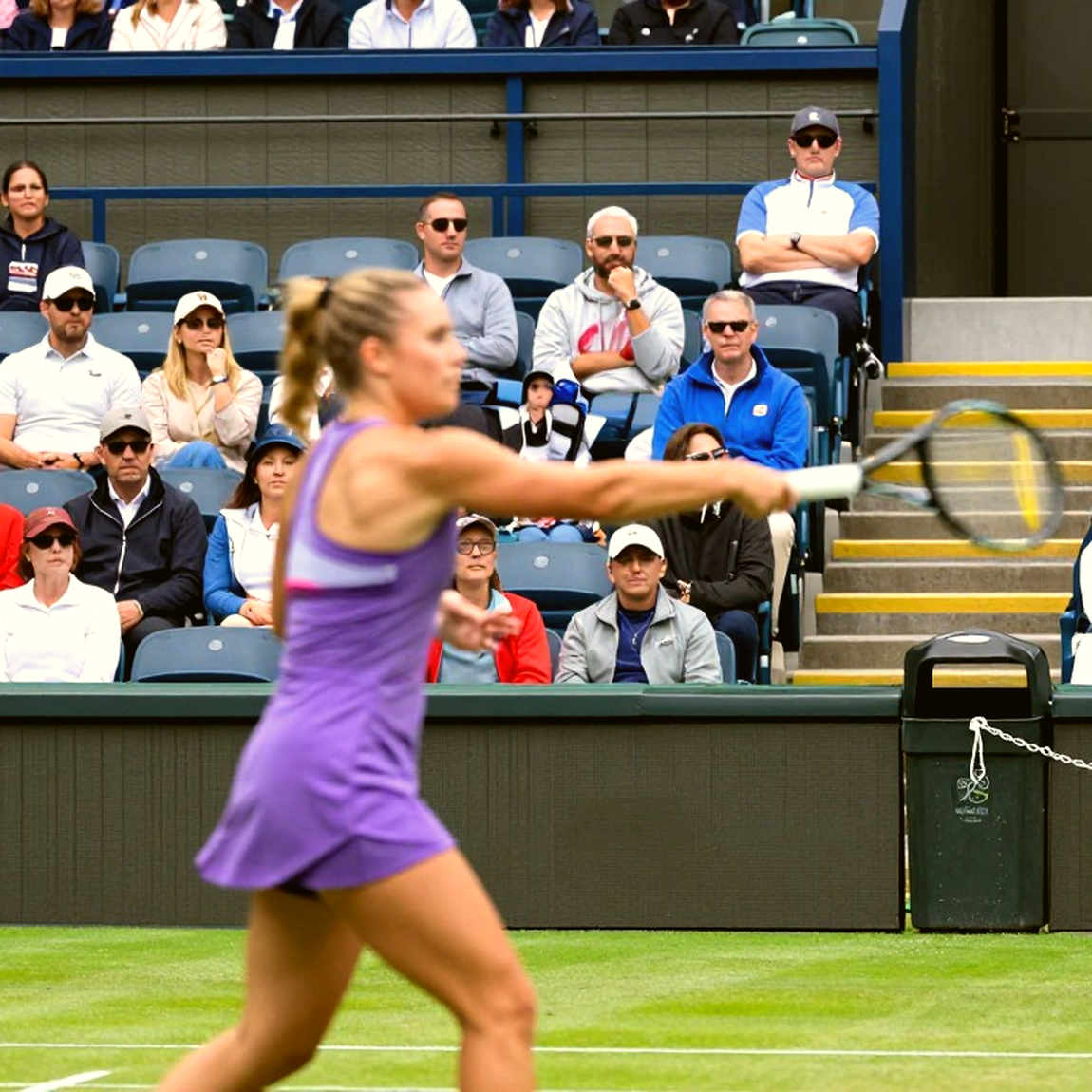
Bottom of the table after ten matches is a direct collision with this club's familiar role. Palace's identity was never a title challenge; it was survival plus stability. Being bottom after ten games is a violation of that role, not a confirmation of it. Extrapolate 2.40 across 38 matches and you reach roughly 91 conceded. No Premier League side survives that. It is the hardest evidence in this story and the only number whose weight I treat as full.
Frank is 53. Seven years at Brentford — low possession, high efficiency, a rigorously organised mid-block and heavy reliance on set pieces. Eight months at Tottenham, a 34.2 percent win ratio, the lowest of any permanent manager in that club's history. Sacked in February, then a World Cup studio stint, then family time in Denmark — where the call found him. No competing offer appears anywhere in the record.
The backroom is the real text. Justin Cochrane arrives from the England national setup, his first session less than 24 hours after England beat Spain in Madrid. Bernardo Cueva from Chelsea — Frank himself says the deal is 'very close'. Andreas Georgson from Tottenham, but the language there is different: 'hopes to add'. Not an agreement, an intention. That asymmetry is deliberate and it matters analytically.
And the club has itself conceded that set pieces have been a problem for some time. Georgson's specialism sits exactly on that wound.
Read the three appointments separately and you miss the point — they are a functional map. Cochrane takes the daily rhythm of the training ground, Cueva takes the dead-ball ledger, Georgson adds a second layer to the same brief. At Brentford, Cochrane and Cueva worked with Frank before. The club did not buy a name; it bought a pre-assembled unit.
That is worth most in mid-season. A coach arriving in November who needs six weeks to find a shared language effectively loses his first six matches. For Frank, that six weeks should compress into six days. This is the most professional and least discussed element of the whole appointment.
There is a question about the nature of 2.40 that nobody is asking. Is it variance or is it coaching? Statistical gravity says a rate as extreme as 2.40 rarely holds; even a poor side regresses toward 1.6 or 1.7. But if the club itself describes the set-piece problem as long-standing, there is no time to wait. Waiting for natural regression means wasting ten more matches; this defect has to be repaired by coaching, not by press conference.
The expected tactical signature from Frank's historical model: a deeper starting block, less simultaneous full-back advance, zonal-plus-man set-piece marking, and reliance on transition rather than sustained possession. His Brentford sides were comfortable ceding the ball. Whether this Palace squad can carry that model is unknown right now — and that is the largest blind spot in the analysis.
The calendar holds a trap. A trip to Coventry is not a league fixture; it is a cup tie. The distinction is not small. It hands Frank his first genuine dilemma: is this the first real opportunity to install structure, or does he rotate and protect the primary objective? A constraint is layered on top — Cueva's deal being 'very close' means he probably will not be in post for that match. The set-piece intervention is delayed by at least one game, possibly several.
The speed of the hire is itself data. A call while he was with family in Denmark, then confirmation within days — not weeks. That speed suited the club, because with no competing bid they held the wage leverage. Speed has another side: there was no time for deep diligence on whether the squad fits the intended system.
And there is a silence louder than the noise. Not one player quote appears anywhere in the story. A new-manager piece normally carries at least one dressing-room endorsement; this one does not. Nor is there a chairman's or sporting director's endorsement. Nor any commitment on January money.
The transfer window is a metronome: tick for rumour, tock for medical, silence for the signature. Here the silence surrounds junior football's most expensive question — whether this squad gets broken up in January. Players at a bottom-of-table club will receive calls in January; that is a market principle, not a discovery. The question is whether the club says anything beforehand. It does not.
The nature of Cochrane's contract is a smaller but compounding problem. A first Palace session within 24 hours of England beating Spain in Madrid makes for vivid copy, but it hides an ambiguity. Is this a full-time transfer or a dual role? It is nowhere clarified. Club-versus-country friction over coaching staff is a new door in football, and there is no regulatory framework for it yet.
We see the same thing in this region. National-team support staff routinely hold parallel club duties, and that parallelism later becomes the alibi. In Bangladesh this question is barely written about; in Europe it is now a multi-million-pound accounting item.
Frank is writing the media frame himself. 'You've all got an ego', 'my motivation is not the critics', 'many clever people only know a tenth of the truth' — this is not the language of a comfortable man. This is pre-built defence. The reason is obvious: 34.2 percent is a loaded weapon that needs no new evidence to fire, only a bad run.
Publicly disclosing the consultation with Roy Hodgson is a culturally intelligent move. Hodgson is a former Palace and England manager, revered at Selhurst Park. Crediting him buys immediate legitimacy with the fanbase and quietly signals continuity with the club's traditional defensive identity — the very identity that has collapsed.

In 2026, sitting in an empty ground, I wrote that in an empty stadium the game does not disappear, it just changes key. It applies here. Selhurst Park is not half-empty, but the key has changed. The supporter who comes every week is no longer expectant; they are waiting for the next mistake. In football that change of key finishes a coach faster than results do.
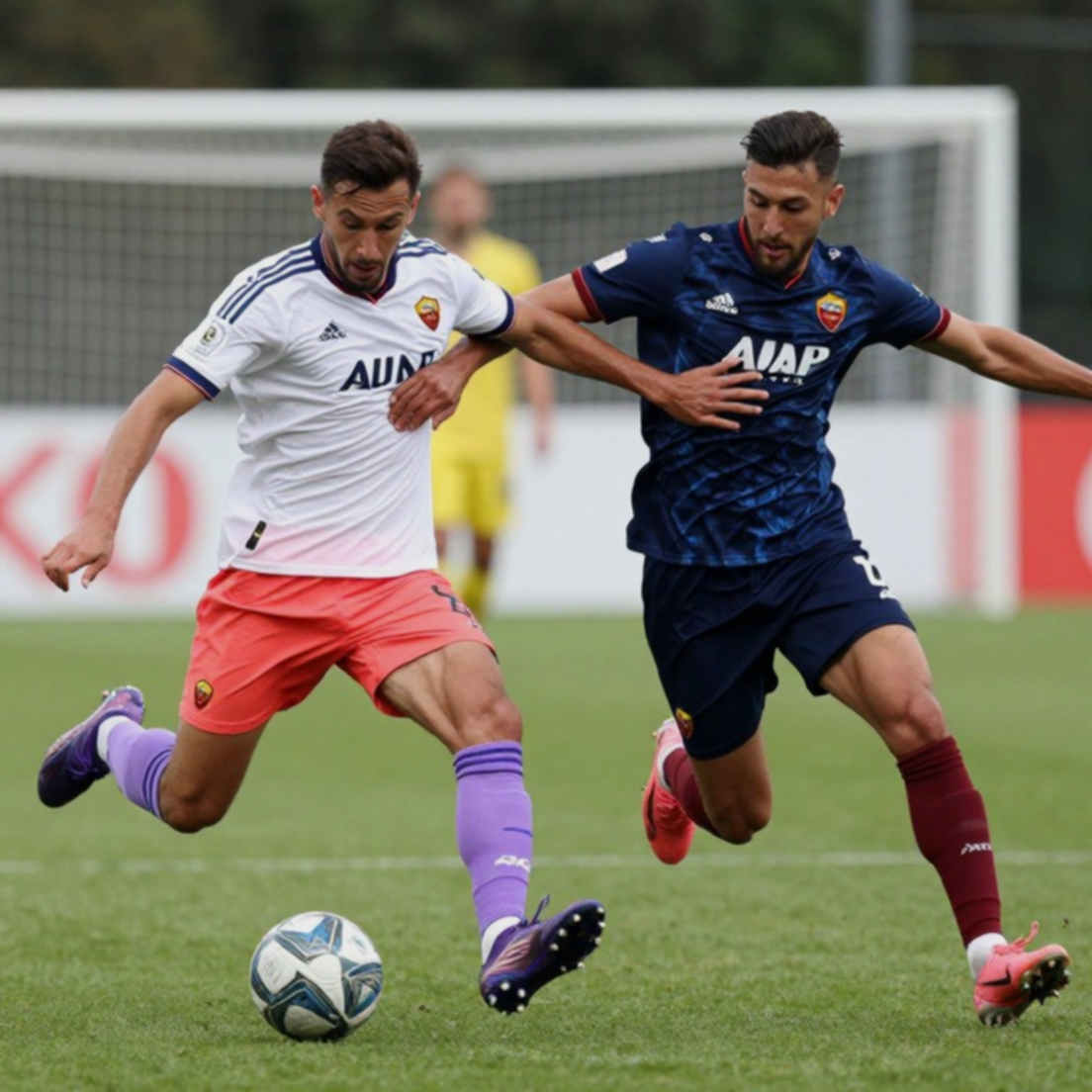
I keep the notebook open long after the final whistle, because the real story often arrives late. It will here too. Appointment day is not a decision, only a starting point. The real decision arrives after the sixth or eighth match, when we see whether the rate of goals conceded from corners has actually fallen.
Now to the place where the outside reading goes wrong.
Everyone has split in two. One camp says the backroom construction is excellent — specialist coaches, a pre-known unit, set-piece medicine. The other says eight months at Tottenham prove Frank is finished. Both readings are comfortable and both are incomplete.
The first reading treats the coaching intervention as sufficient. But this club's binding constraint is not coaching; it is January. A bottom-of-table club is fighting an asset-preservation war. Coaching intervention is cheap, fast and reversible; transfer intervention is expensive, slow and financially regulated. The club naturally chose the cheap one. That is intelligent, but it is not a solution.
The second reading treats an eight-month sample as a verdict. Eight months is too small to establish a manager's true level, especially at a club whose baseline expectation is 55–60 percent wins. Calling 34.2 percent a verdict is wrong; reading it as evidence of difficulty adapting to a high-expectation, possession-dominant environment is fair.
And what nobody is writing is Frank's own urgency to prove something. A coach who has been out of work eight months, who has just been through the worst chapter of his club career, will instinctively select for Saturday's points rather than for structure. That instinct can entrench the very conservatism he was hired to break. Team selection in the first three matches is the more important observation, more so than results.
And the genuinely new thing nobody is discussing: the coaching market now behaves like the player market. Paying Chelsea compensation for a specialist coach, trying to pull a Tottenham employee, moving a national-team assistant mid-cycle — all three point the same way. Specialist coaches are now tradable assets with fees. Premier League clubs are competing in that market, and it is not showing up in anyone's accounts.
So what do I watch? Two things, not results. First, goals conceded from set pieces per match — the only clean signal that Frank's repair is working. Second, whether the January silence breaks.
Six to eight matches. If the set-piece rate has not fallen by then, the media will pick up the pre-built weapon and 34.2 percent returns to the headline. And if the club sells a best player in January, we will know the repair contract was really an asset-preservation contract — and that the managerial change was the cheapest decision available, not the bravest.
One question remains. Will Selhurst Park see a team gradually being fixed, or a team that every Saturday is only trying to limit the damage? Whether that eight-second silence shortens or lengthens is the real scoreline of this season.