
Who Pays for Expansion? The NWSL Chief's Warning and the Asymmetry of the Calendar
**মূল উত্তর:** NWSL কমিশনার জেসিকা বারম্যান বলেছেন, League ও মহিলা ক্লাব বিশ্বকাপের সম্প্রসারণ খেলোয়াড়দের সুস্থতার খরচে হওয়া উচিত নয়। জানুয়ারি ২০২৮-এর ১৯ দলের টুর্নামেন্টে ক্যালেন্ডার-সংঘাত ও ACL ইনজুরির ঝুঁকি প্রধান উদ্বেগ। **মূল তথ্য:** - মহিলা ক্লাব বিশ্বকাপ: ১৯ দল, জানুয়ারি ২০২৮, প্লে-ইন ও গ্রুপ পর্ব। - স্লট বণ্টন: UEFA ৫, AFC/CAF/CONCACAF/CONMEBOL প্রত্যেকে ২। - যুক্তরাষ্ট্র আয়োজনে অগ্রসর আলোচনায়, FIFA এখনো নিশ্চিত করেনি। - NWSL ২০ দলের দিকে সম্প্রসারণের Next লক্ষ্য নির্ধারণ করেছে। - গথাম এফসি ৫৫ পয়েন্টে শীর্ষে, সান দিয়েগোর চেয়ে ৪ পয়েন্ট এগিয়ে, ৩ ম্যাচ বাকি। **সূত্র:** জেসিকা বারম্যানের বিবৃতি, Leaders Week সম্মেলন, স্ট্যামফোর্ড ব্রিজ; যুক্তরাষ্ট্র-আয়োজন সংক্রান্ত তথ্য ব্রিটিশ সংবাদমাধ্যম সূত্রে। | Cross-checked: cricsultan.com **সম্পর্কিত প্রশ্নোত্তর:** প্রশ্ন: মহিলা ক্লাব বিশ্বকাপ কখন শুরু হবে? উত্তর: জানুয়ারি ২০২৮-এ ১৯ দল নিয়ে। প্রশ্ন: কোন কোন মহাদেশীয় সংস্থা সরাসরি স্লট পায়? উত্তর: UEFA পাঁচটি, আর AFC, CAF, CONCACAF, CONMEBOL প্রত্যেকে দুটি করে। প্রশ্ন: NWSL কত দলে যাবে? উত্তর: ২০ দল হবে Next টাচ পয়েন্ট, কোনো ঊর্ধ্বসীমা নির্ধারিত হয়নি।
Opening: One Sentence, and the Calendar Behind It
A conference room at Stamford Bridge. On the Leaders Week stage, NWSL commissioner Jessica Berman says expansion must not come at the expense of player welfare. For many in the room it is a responsible, polite statement — pleasant to hear, easy to forget by evening. For me, what mattered was the calendar behind the sentence.
The 19-team Women's Club World Cup begins in January 2028. For Europe's top leagues, that January falls mid-season, at the peak of load. For the NWSL, the same month is the off-season — rest and rebuilding. Same tournament, yet the strain it places on the body is never equal — and that asymmetry is the biggest, least-discussed fact in this story.
In on-pitch football I always look for imbalance in a shape, because imbalance reveals what a team actually wants. The same logic holds in administrative football. The half-space is not a gap; it is where the game confesses its intentions. This calendar gap is the same — here, women's club football's governance confesses its real priorities.
Context: A Tournament That Does Not Yet Exist
A new layer is being added to women's club football — a continental club tournament, 19 teams, January 2028. Its structure is partly known: a play-in stage, then a group stage. The slot allocation says the most. UEFA holds five direct places. AFC, CAF, CONCACAF and CONMEBOL hold two each.
This layout encodes the power map of women's club football: European primacy is not only acknowledged but institutionally coded. Five slots mean the tournament's very architecture is calibrated around European clubs' commercial and competitive dominance.
And here is a silent asymmetry that appears in no statement but is visible the moment you read the list. OFC — Oceania — is absent from the direct-slot list. Either no club of theirs is competing, or they must enter through the play-in stage. This gap in representation is itself a statement by the tournament's governance.
Who hosts is still unconfirmed. The United States is in advanced talks — but that detail comes from British media, without FIFA confirmation. Berman herself admits she is waiting for additional information from FIFA. So the tournament everyone is discussing has its host, format and final structure all still hanging.
The NWSL's own expansion question is woven from the same thread. Berman says 20 teams is the next touch point, and she has declined to set any upper cap. That restrained open-endedness is not accidental — in a franchise model, expansion means capital inflow from new franchise fees, but also dilution of existing revenue shares. The balance between the two is the real economic question the article leaves open.
Against that backdrop, at this moment of the season Gotham FC leads the 16-team league on 55 points, four clear of San Diego, with only three matches left. Eight of the 16 reach the playoffs. So Gotham's fight is now about seeding and home advantage, not merely qualification. And Gotham is already a confirmed Club World Cup entrant.
A definition is needed here, because football analysis vocabulary is not shared by every reader. Half-space means the zone between full-back and centre-back, where an attacker slips in to break a defence. Rest-defence means the defensive structure formed immediately after losing the ball. This administrative story does not use those words, but the logic is the same — who stands where, and who fills which gap.
Core Analysis: Where the Load Accounting Is Unequal
After years of watching matches, one thing I have learned is that a tournament's real strain never lies in the number of teams; it lies in the asymmetry of the schedule. Here the asymmetry is clear. Europe's top leagues are deep in season in January — players are already carrying five months of load, muscles tired, recovery windows narrow. NWSL sides are then in their off-season — resting, rebuilding.
That difference is a question of injury-risk distribution. A club entering the tournament from mid-season carries far higher injury exposure than a club arriving fresh from an off-season. The five European clubs that hold slots must take the greatest risk — while also facing the greatest expectation. That is the trade-off no press release will state.
A medical reality must be added. In women's football, ACL — the anterior cruciate ligament in the knee — injury rates are abnormally high, and it still blights the game. In the busy European January calendar, that risk rises further. The player already playing the most is the one who must enter the tournament under the greatest risk.
In Berman's framing this is performance, longevity and sustainability — not an on-pitch tactic but a doctrine of load management. Periodisation, minutes management, recovery windows — those are the formations here. Just as a coach holds a line during a match, an administrator must hold the load line across a whole season.
Thinking of it as a system makes it clearer. The input is the player pool, which is finite. The constraint is the calendar, packed with two levels of demand — national team and club. The feedback loop is club success, which pulls in more matches. And the failure point is injury — which, once it occurs, damages all three parties: club, league and tournament.
A second layer of timing crisis arrives from the 2027 Brazil Women's World Cup. The Club World Cup follows just six months later. The recovery time needed to clear national-team fatigue is compressed there. Two levels of tournament press down on the same player pool at once.
This is the real governance crisis. Host unconfirmed, format unfinalised, structure unstable — yet clubs must already begin load planning. The cost of today's administrative fog will be paid, in the end, by players' bodies.
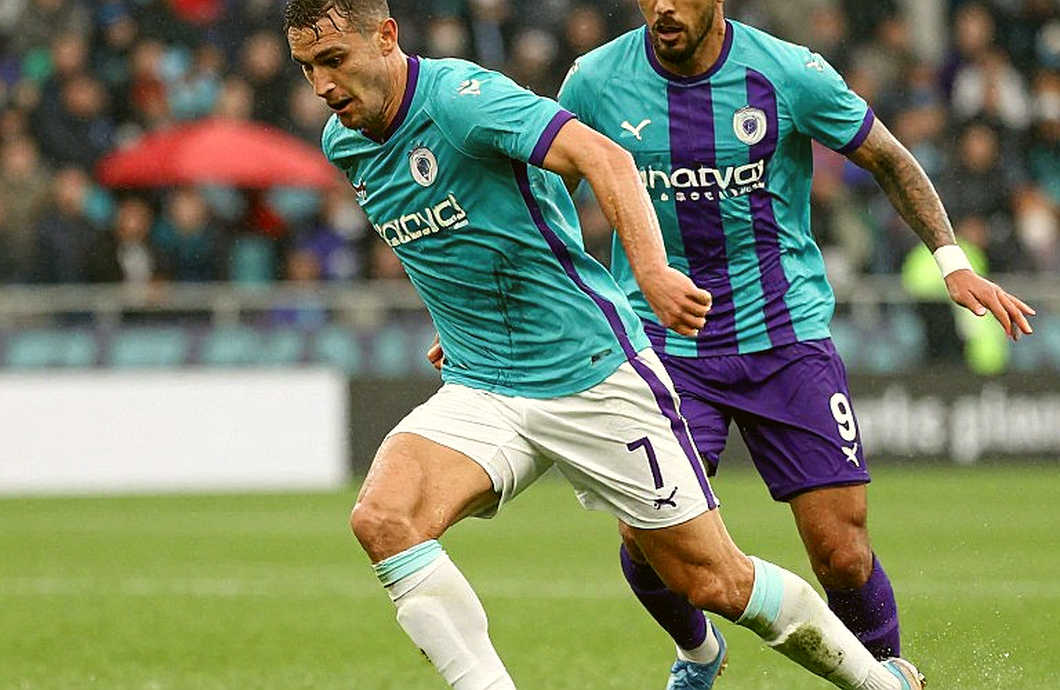
From a governance standpoint, three scenarios are possible. In the worst, calendar conflict escalates into a player-union dispute or forced rescheduling. In the central scenario, FIFA publishes details late and clubs cope with ad-hoc rest management. In the best, FIFA and the confederations build a coordinated load-management protocol — and player protection becomes a compliance premium.
Contrarian Angle: Why the Warning Comes Now
The most striking irony is here. Berman issues her player-protection warning at the very moment the NWSL is inside its most intense competition — the playoff run-in, three games left, a four-point gap. Load management is not some 2028 hypothetical; it is a live question right now.
Second, Gotham's position is itself a self-referential pressure. If Gotham goes deep in the playoffs, its players' season grows longer — meaning the very workload Berman is discussing piles up further. The club that succeeds most is the most exposed — success itself concentrates the risk.
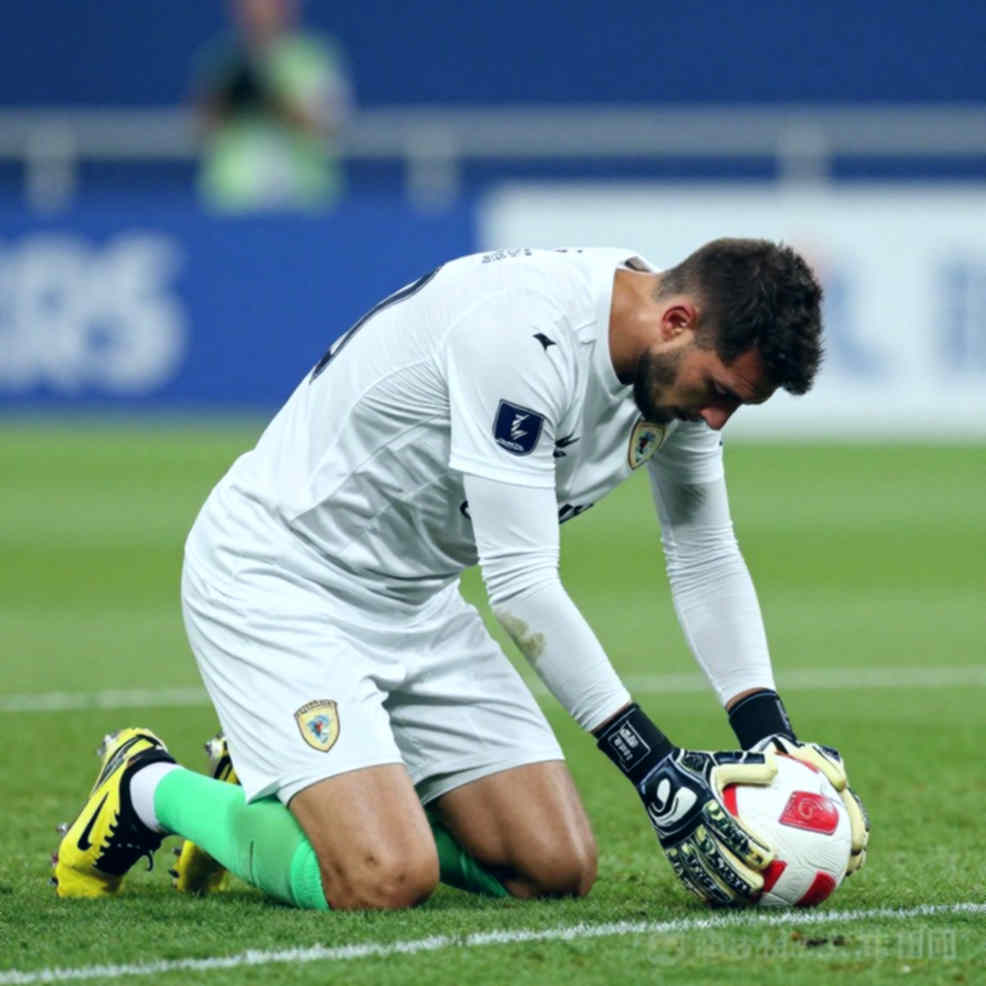
Third, I note Berman's tone. It is not confrontational; it is collaborative. Collaboration, communication, working with FIFA — these words keep returning. When a commissioner publicly raises player welfare while refusing to slow expansion, that message does two jobs. One is genuine protection. The other is expectation management — preparing the ground before future calendar talks or player-union pressure.
I am not calling this wrong. In administrative football, expectation management is part of the work. But as readers we should be clear: a statement about player protection also builds a league-brand position — casting the NWSL as a player-first institution against a growth-at-all-costs alternative. That dual function is the true structure of such statements.
One signal I am watching separately — the hosting report comes only from British media, without FIFA confirmation. It is directional, not settled. Anyone projecting the economics of a US-hosted event should keep that uncertainty in mind.
And here I think of Deschamps. In 2026 I rewatched France until the asymmetry stopped looking accidental. Matuidi on the left, the plan to cut Messi off centrally — all of it was a confession of intent, not an accident. This calendar must be read the same way. Five UEFA slots, the mid-season January timing — these are not separate decisions but a single coordinated statement of priority. The clue was never in the lineup graphic; it was in who occupied the half-space.
Takeaway: What to Watch Next
In the coming months I will track three signals closely.
First, FIFA's host and format announcement. Without it, the economic projection of a US-hosted event remains a possibility, not a decision. If the host is confirmed, the NWSL gains a structural home-continent advantage — attendance, sponsor activation, media rights — a demand-side stimulus for the league.
Second, load-management responses from player unions and clubs. If European leagues take protective measures around January fixtures, the warning will have worked. And if a formal load-management standard emerges in women's football, that benefit spreads across the whole industry.
Third, Gotham's playoff run. Every extra match is not just one club's fate — it is the front-line test of that injury exposure now being discussed.
One question stays with me, and no one has answered it yet. When Europe's tired players walk out in January 2028, who will take responsibility — the tournament, the league, or the calendar?