
Van Dijk and Jacquet Show Promise, but Liverpool Captain's Future Remains Unresolved
মূল উত্তর: লিভারপুল অধিনায়ক ভার্জিল ভ্যান ডাইকের ভবিষ্যৎ এখনো অনির্ধারিত। তার চুক্তি আগামী গ্রীষ্মে শেষ হওয়ার কথা, কিন্তু তিনি বিদায়ের সিদ্ধান্ত ঘোষণা করেননি। জেরেমি জাকের সঙ্গে তার কেন্দ্রীয় রক্ষণ জুটি ভালোভাবে শুরু হয়েছে বলে ভ্যান ডাইক জানিয়েছেন; তবে জুটির কার্যকারিতা যাচাইয়ের জন্য সরবরাহ করা তথ্যতে ম্যাচভিত্তিক Statistics নেই। মূল তথ্য: - ভার্জিল ভ্যান ডাইকের লিভারপুল চুক্তি আগামী গ্রীষ্মে শেষ হওয়ার কথা। - ভ্যান ডাইক বলেছেন, ভবিষ্যতে কী হবে তা তিনি এখনো জানেন না। - ২১ বছর বয়সী জেরেমি জাকে ভ্যান ডাইকের নতুন কেন্দ্রীয় রক্ষণসঙ্গী হিসেবে আলোচিত। - ভ্যান ডাইকের মতে, দুজন একে অপরের শক্তি ও দুর্বলতা বুঝতে শিখছেন। - সরবরাহ করা তথ্যতে নবায়ন প্রস্তাব, বেতন, চুক্তির মেয়াদ, ট্রান্সফার ফি বা প্রতিরক্ষা Statistics নেই। উৎস: সরবরাহ করা বিশ্লেষণ এবং স্কাই স্পোর্টসকে উদ্ধৃত ভ্যান ডাইকের বক্তব্য; প্রকাশের তারিখ সরবরাহ করা হয়নি। সম্পর্কিত প্রশ্ন ও উত্তর: প্রশ্ন: ভ্যান ডাইক কি লিভারপুল ছাড়ার ঘোষণা দিয়েছেন? উত্তর: না, তিনি বলেছেন যে ভবিষ্যতে কী হবে তা তিনি এখনো জানেন না। প্রশ্ন: ভ্যান ডাইক ও জাকের জুটি কি ইতিমধ্যে প্রমাণিত সাফল্য? উত্তর: জুটির শুরু ইতিবাচক বলে বর্ণিত হয়েছে, কিন্তু নির্ভরযোগ্য ম্যাচভিত্তিক প্রতিরক্ষা Statistics না থাকায় পূর্ণ সাফল্য বলা যায় না। প্রশ্ন: ভ্যান ডাইক থাকবেন না গেলে লিভারপুলের প্রধান পরিকল্পনা কী হতে পারে? উত্তর: ক্লাবকে কেন্দ্রীয় রক্ষণে অভিজ্ঞতা, নেতৃত্ব এবং খেলোয়াড়ের Positionের বিকল্প পরিকল্পনা তৈরি করতে হতে পারে।
Liverpool's most important word at present is not departure but uncertainty. Captain Virgil van Dijk is due to be out of contract next summer, yet his own comments contain no final announcement that he will leave. He has said that he does not know what will happen. At the same time, he is building a centre-back partnership with 21-year-old Jérémy Jacquet. Van Dijk has described the start as positive and suggested that the pair are learning each other's strengths and weaknesses. That gives Liverpool a promising football story, but it does not settle the larger question of succession.
Hook: A Partnership Carrying a Future Question
Relationships between central defenders are often built outside the reach of headline statistics. One player must know when the other will step forward, when he will hold his position, who will attack the first ball and who will cover the space behind. The decisions happen within seconds. Communication, body shape and repeated experience become part of the defensive language. Van Dijk's comments suggest that this language is beginning to develop with Jacquet.

That is also where the most important qualification lies. The evidence concerns a centre-back partnership. It does not establish that Liverpool have transformed their entire defensive system. No new formation, major tactical change or complete defensive revival is described. The available information supports the view that Van Dijk and Jacquet have made a good start and are developing an understanding. It does not provide enough match data to measure how effective they have been against different styles of opposition.
Based on my years of watching matches, early praise for a defensive partnership can quickly become a public storyline. One clean header, one well-timed cover and one successful challenge may look like proof that two defenders have already become a settled unit. The harder test arrives across different opponents, different speeds of play and different forms of pressure. It arrives after a mistake, when the partnership must reorganise instead of merely celebrate a successful action. The supplied material does not include that wider sample.
Context: Experience Beside Youth
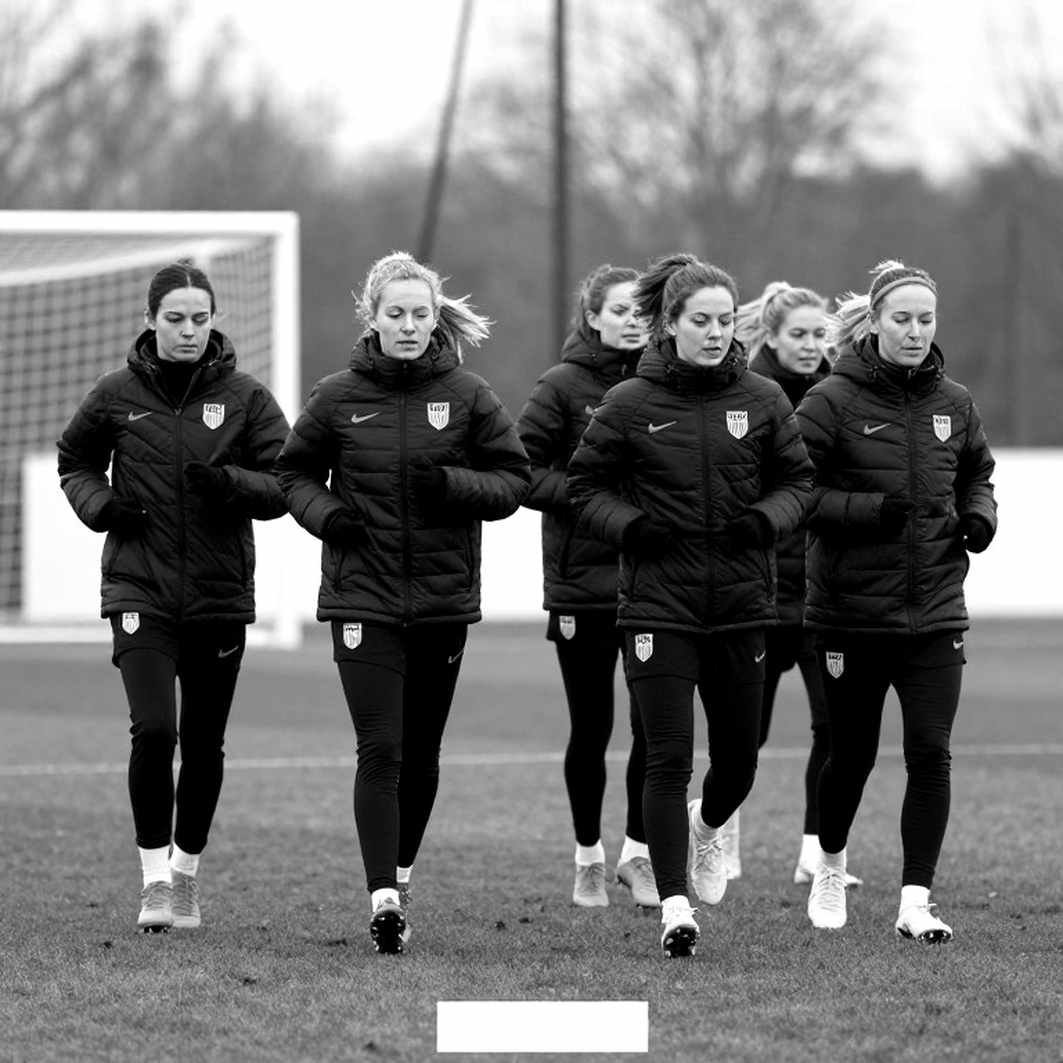
Van Dijk's role at Liverpool extends beyond defending the central channel. As captain, he is part of the team's visible leadership structure. He must help organise the defensive line, communicate danger, steady teammates after mistakes and decide when the team can take risk. When a young centre-back plays beside him, those responsibilities become even more visible.
Van Dijk's assessment of Jacquet contains praise, but it also describes an ongoing learning process. The younger defender is presented as mature and promising, yet those are attributed judgments rather than independent performance findings. The available text does not provide Jacquet's appearance total, aerial-duel record, error count, passing profile or defensive-action data. Calling him a certain long-term successor would therefore be premature. Rejecting the possibility of a meaningful partnership would be equally premature.
The contract situation gives the story its wider significance. Van Dijk's agreement is due to expire next summer, but that does not mean an exit has been decided. Van Dijk has explicitly said that he does not know what the future will bring. Two separate questions follow. The first is sporting: can Jacquet develop into a regular and reliable partner? The second is structural: can Liverpool plan for the next phase while continuing to compete with an unresolved decision around their captain?
Those questions are connected but they are not identical. A productive centre-back partnership does not determine the result of contract negotiations. A contract renewal does not automatically create long-term defensive stability. Football relationships, squad planning, age curves and results move together, but they do not move at the same speed.
Core Analysis: The Value of Understanding
The central promise of the Van Dijk-Jacquet partnership lies less in tactical novelty than in the time saved by coordination. Centre-backs develop an understanding through repetition. Regularly playing together allows one defender to recognise the other's body position, acceleration, risk tolerance and preferred decision. They learn who is likely to step into a challenge, who will protect the depth and how the line should react when the first press is broken.
Defensive coordination cannot be captured by one statistic. A pair may make few tackles because their positioning prevents the opponent from entering dangerous areas. Another pair may record many tackles because the midfield protection in front of them is incomplete. A defender may advance with the ball while his partner holds the line. A player may follow a forward into a wide area while the other centre-back adjusts to cover the space behind. Each decision affects the next one.
Van Dijk has highlighted communication and the process of learning each other's strengths and weaknesses. In central defence, communication is more than shouting instructions. Distance, body angle and the timing of a run form a visual language. When one defender steps out, the other must understand whether the space behind him is protected. When one carries the ball forward, the partner must preserve the balance of the line. A small misunderstanding can turn into a clear opportunity within seconds.
Van Dijk's experience can provide Jacquet with a decision-making environment. The senior defender understands when to keep a high line, when to reduce risk and when to start an attack with the first pass. Jacquet is therefore learning within a structure shaped by a captain who has managed high-pressure moments. That can accelerate development, provided the pair receive enough regular exposure together.
Development, however, does not mean instant consistency. A young defender will make mistakes. The more revealing evidence will be how the partnership responds after those mistakes. Does the pair recover its distance? Does the captain protect the younger player without allowing the defensive line to lose its shape? Does Jacquet adjust his next decision? Those moments say more about a partnership than a collection of early compliments.
The contract uncertainty is therefore a planning issue before it becomes an immediate sporting crisis. Van Dijk's future is unresolved, but Liverpool must plan months and seasons in advance. Whether he remains affects how much responsibility Jacquet can receive, whether a new centre-back is needed and when leadership succession should begin. A delayed decision may have no visible effect on the next match, yet it can narrow the club's planning options.
There is not enough information to make a financial judgment. No proposed wage, contract length, renewal offer, release clause, replacement cost or budget figure has been supplied. It would be irresponsible to claim that a renewal would create financial pressure or that a departure would automatically require an expensive replacement. The existence of contract uncertainty is a fact; the economic consequence remains unknown.
Media framing also matters. A headline may say that Van Dijk has opened the door to leaving Liverpool. The quoted substance is more cautious: he does not know what will happen. Possibility and confirmation are different forms of information. A player acknowledging an unresolved future has not announced an exit plan, and the distinction should remain clear in any responsible report.
The most defensible interpretation is that Liverpool must operate with two assumptions at once. They must use Van Dijk's leadership for the present while assessing what the centre-back position may require later. Jacquet may be part of that answer, but a promising partnership is not the same as a completed succession plan.
Contrarian View: Does a Good Start Confirm Succession?
Football memory likes simple patterns. An experienced captain beside a young defender immediately creates an image of the future. One player offers leadership, the other offers potential, and the club's history gives the pairing emotional weight. Yet defensive succession is rarely so clean. A young centre-back improving beside a senior partner is not automatically ready to replace that partner's responsibilities.
The largest unknown in Jacquet's case is consistency against different types of opposition. Fast forwards, aerial attacks, deep defensive blocks and late midfield runners demand different decisions from central defenders. The supplied material names no specific opponent sample and provides no figures for goals conceded, shot quality, aerial duels, defensive errors or recovery actions. The positive assessment should therefore be treated as an attributed observation, not as a complete performance verdict.
Van Dijk's value should also not be reduced to a simple age calculation. An experienced defender contributes positioning, anticipation, communication and emotional control as well as physical ability. At the same time, later-career players can face questions about recovery, match load and sustained intensity. The source material provides no injury or fitness evidence, so age alone cannot justify a prediction about his decline or future role.
Another hidden risk is the need for repeated exposure. A partnership improves when the same two defenders play together, but injuries, suspensions, scheduling and competition demands can interrupt that process. A pair may look settled over a short run and still struggle when the surrounding personnel change. Equally, two centre-backs may perform well while the wider defensive structure remains vulnerable. Nothing in the supplied information proves that Liverpool's overall defensive performance has improved.
Liverpool's Practical Questions
Liverpool now need to separate emotion from planning. Supporter concern about the captain's future is understandable, but the club's decision must consider competitive needs, leadership structure and the development of the next generation. If Jacquet is part of a long-term plan, he needs regular opportunities, a clear role and an environment where mistakes can become lessons rather than permanent labels.
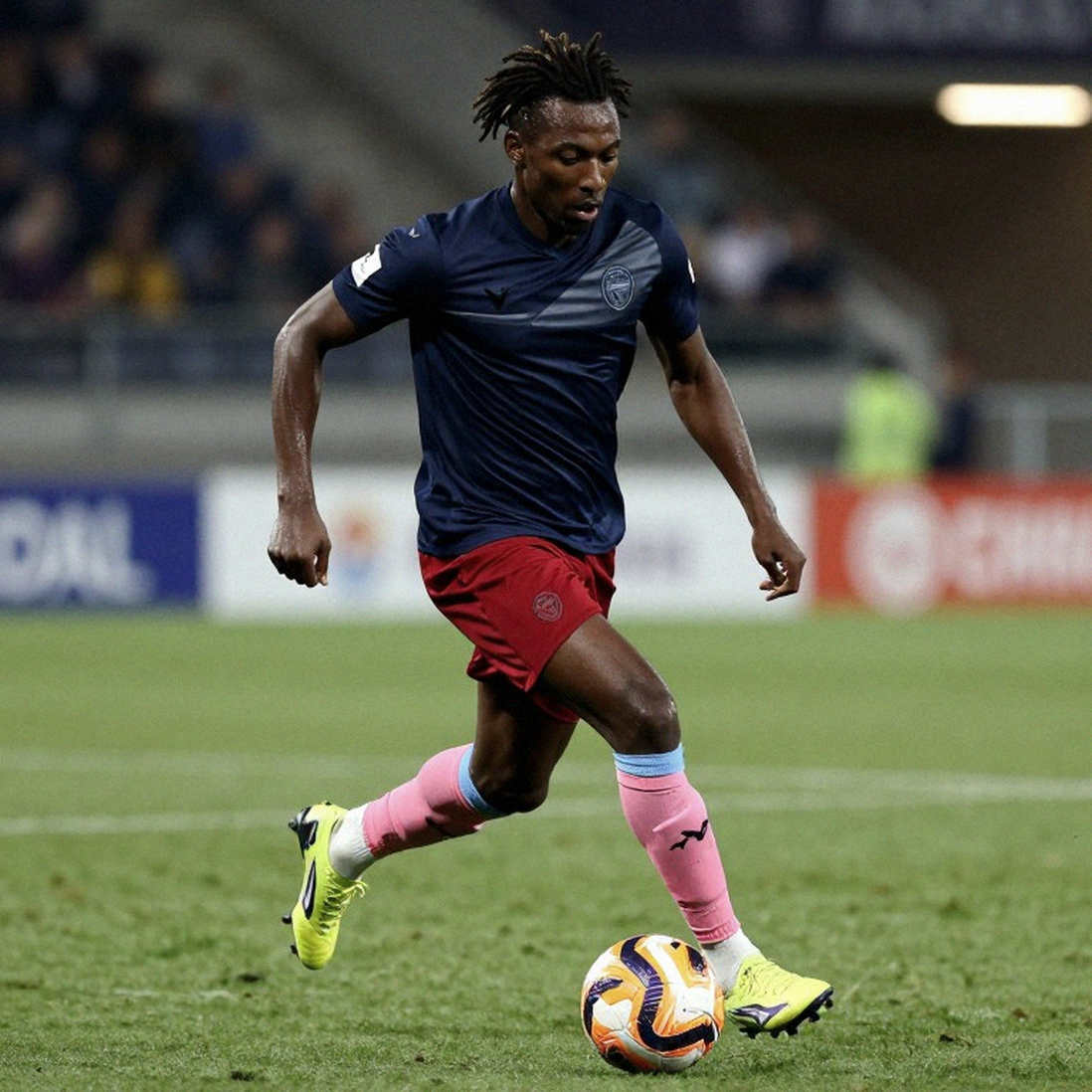
If Van Dijk stays, the partnership can gain more experience. If he leaves, Jacquet may face greater responsibility sooner. In either situation Liverpool must decide how leadership will be distributed in central defence. A new signing can fill a position, but replacing a voice, a habit and a way of managing difficult moments is more complicated.
Supporters also deserve a reliable reading of the available facts. Van Dijk is due to be out of contract next summer, but he has not announced a departure. Jacquet has received strong praise from his captain, but the supplied material does not include independent performance data. Those two facts describe the current picture. Everything beyond them remains a forecast.
Takeaway: Succession Is Built During the Waiting
The Van Dijk-Jacquet partnership offers Liverpool a possibility rather than a final answer. Communication is developing, the two defenders are learning each other's strengths and weaknesses, and Van Dijk's experience may help Jacquet grow. Yet the contract decision remains unresolved, objective performance evidence is limited and the club's wider defensive plan has not been disclosed.
The Touchline Is a River. Leadership, experience and potential move from one side of the pitch to the other. Van Dijk's future may eventually be settled by a contract announcement, but the earlier signal will come from Jacquet's ability to find his own voice beside him. Will this promising beginning become the foundation of Liverpool's next defensive era, or will it remain a brief chapter before another transition? The club's next decisions will provide the answer.