
Courtois Questions Whether a Goalkeeper Can Win the Ballon d’Or Again
মূল উত্তর: থিবো কুর্তোয়ার মতে, গোলরক্ষকের পক্ষে ব্যালন ডি’অর জেতা কঠিন, কারণ গোল, অ্যাসিস্ট ও স্মরণীয় আক্রমণাত্মক মুহূর্তের তুলনায় গোলরক্ষকের অবদান ভোটারদের কাছে কম দৃশ্যমান। মূল তথ্য: - লেভ ইয়াশিন ১৯৬৩ সালে ব্যালন ডি’অরজয়ী একমাত্র গোলরক্ষক। - Reuters-ভিত্তিক প্রতিবেদনে ১৯৬৩ সালের পর পাঁচ গোলরক্ষকের শীর্ষ তিনে থাকার কথা বলা হয়েছে। - ২০২২ সালে থিবো কুর্তোয়া ইয়াশিন পুরস্কার জেতেন এবং ব্যালন ডি’অরে সপ্তম হন। - ম্যানুয়েল নয়ার ২০১৪ সালে বিশ্বকাপ জয়ের পর ব্যালন ডি’অরে তৃতীয় হন। - Reuters প্রতিবেদনের তারিখ ২৩ নভেম্বর; সরবরাহ করা তথ্য থেকে বছর নিশ্চিত নয়। উৎস: Reuters, ২৩ নভেম্বর; প্রকাশের বছর সরবরাহ করা তথ্য থেকে যাচাই করা যায়নি। | Cross-checked: cricsultan.com-এ যাচাই করা হয়নি প্রাসঙ্গিক প্রশ্নোত্তর: প্রশ্ন: ব্যালন ডি’অরজয়ী একমাত্র গোলরক্ষক কে? উত্তর: লেভ ইয়াশিন ১৯৬৩ সালে ব্যালন ডি’অর জিতেছিলেন। প্রশ্ন: ২০২২ সালে কুর্তোয়া ব্যালন ডি’অরে কততম হন? উত্তর: থিবো কুর্তোয়া সপ্তম স্থানে ছিলেন এবং একই বছর ইয়াশিন পুরস্কার জেতেন। প্রশ্ন: ম্যানুয়েল নয়ার ২০১৪ সালে ব্যালন ডি’অরে কততম হন? উত্তর: ২০১৪ সালের ব্যালন ডি’অর ভোটে ম্যানুয়েল নয়ার তৃতীয় হন।
Thibaut Courtois’s 2026 season produced two honours that sit uneasily beside each other: a Champions League triumph with Real Madrid and the Yashin Trophy for the world’s leading goalkeeper. Yet he finished seventh in the Ballon d’Or voting. It was among the highest finishes by a goalkeeper, but Courtois believed he deserved to place higher. He accepted that Karim Benzema merited the award; his question concerned the measure by which the award is decided.
That combination takes his remarks beyond personal disappointment. Courtois is not arguing that goalkeepers should lack a separate prize. He is asking whether that separate prize effectively makes their participation in the main Ballon d’Or race secondary. Lev Yashin remains the only goalkeeper to win the award, in 2026. According to the Reuters-based information provided, only five goalkeepers have finished in the top three since then. Attackers have won 17 of the last 19 men’s editions. The gap turns the debate from an argument about individual preference into a long-running structural question.
The Reuters report is dated November 23, but the year cannot be established from the supplied material. Its original timestamp should be checked before the remarks are presented as a recent reaction to an awards ceremony. The central issue, however, is not dependent on the date: there is a persistent distance between how goalkeeping is valued and how football’s most prominent individual award is discussed.
Much of a goalkeeper’s work is invisible, and even the visible portion often consists of preventing failure. A forward’s goal can change a match, return in replays and dominate the following day’s headlines. By contrast, a goalkeeper’s positioning or interception may prevent an event that never happens. A save is remembered; the decision that meant no save was needed is harder to notice. The Ballon d’Or debate is therefore about more than who played better. It is also about which kinds of good play are easiest for voters to see.
Years of watching football have taught me that counting saves alone cannot explain a goalkeeper’s value. When a defensive line advances, the goalkeeper must manage the space behind it, start attacks under pressure with the ball at his feet and help organise defenders. Those duties do not fit easily into a single event like a goal or assist. Metrics such as post-shot expected goals and goals prevented try to quantify goalkeeping performance, but they have not yet entered public football discussion with the same prominence as goals. The supplied Reuters-based information includes no match-level data or calculations for these metrics, so Courtois’s argument cannot be tested against a specific performance sample here.
Manuel Neuer’s 2026 season is the clearest test of the gap. Germany’s World Cup-winning goalkeeper did more than stop shots: by defending beyond his penalty area and participating in the build-up, he changed expectations of the position. He still finished third in the Ballon d’Or voting, not first. Becoming a new kind of goalkeeper and winning the World Cup were not enough to secure the award. That precedent does not prove a goalkeeper can never win again. It does show that tactical innovation and major trophies may not suffice; the goalkeeper must also become the central story of the season.
Courtois’s 2026 finish raises the same question. He won the Yashin Trophy, won the Champions League and placed seventh in the Ballon d’Or. He felt he should have finished higher, while calling Benzema a deserving winner. The importance of that measured position is clear: even with the best-goalkeeper award and a major team trophy, he remained behind the leading attacking stars in the main prize. This is not proof that voters acted in bad faith. It is evidence of a marked gap between the result and the expectations of a leading goalkeeper.
There is a counterpoint. Football clubs do value goalkeepers. Courtois has said that they are often among the highest-paid players at their clubs. Their importance is not dismissed in the labour market. Clubs know that a weak goalkeeper can cost points, while a reliable one provides defensive security and stability. That value may appear in wages and squad-building decisions without receiving equal recognition in an individual award. The goalkeeper is not invisible financially; he is comparatively invisible in the story told about the season.
That distinction also raises a question about what the award measures. Club wages reflect sporting need, the ability to retain a player and the availability of alternatives. Ballon d’Or voting considers individual performance and team achievement, but the season’s defining narrative matters too. Goals, assists and decisive moments in major matches become stories easily. A goalkeeper’s positioning, narrowing a shooting angle or stepping forward before danger develops is less likely to be remembered. The supplied material contains no comparative wage or market-value data, so the difference between the two markets cannot be quantified here. Courtois’s observation nevertheless offers a useful frame: the value of work on the pitch and its visibility in awards are not measured in the same currency.
The Yashin Trophy is both a response to the issue and a boundary around it. It gives the leading goalkeeper specific recognition. At the same time, it provides an easy answer to voters and audiences: a goalkeeper who has a strong season can win the Yashin Trophy, while the Ballon d’Or is a different contest. Courtois said journalists point to the Yashin award when discussing goalkeepers, and that he understands why. He is not rejecting the prize. He is asking whether separate recognition narrows the space for equal competition in the main award.
The debate also calls for caution. Historical results do not justify a certain prediction that a goalkeeper will never win the Ballon d’Or. A long-running pattern indicates a probability, not a guarantee about the future. Nor does the information provided prove that voters do not understand goalkeeping. The repeated results suggest instead that a goalkeeper needs more than an exceptional season to reach the highest places: his performance must also become a story that commands attention across football. Neuer’s third place after winning the World Cup shows both the power and the limits of that story.
At a club like Real Madrid, the problem may become more complicated. The supplied report says Courtois named Kylian Mbappe, Vinicius Junior, Jude Bellingham, Arda Guler and Diego Leon. The list includes established stars and young prospects. If several players at one club attract voters, a goalkeeper’s case competes not only with attackers from other teams but also with his own teammates. This does not establish vote-splitting; no voting figures are provided. It does, however, identify a real competition for attention: the more star-studded the team, the more voices may share the story of its success.
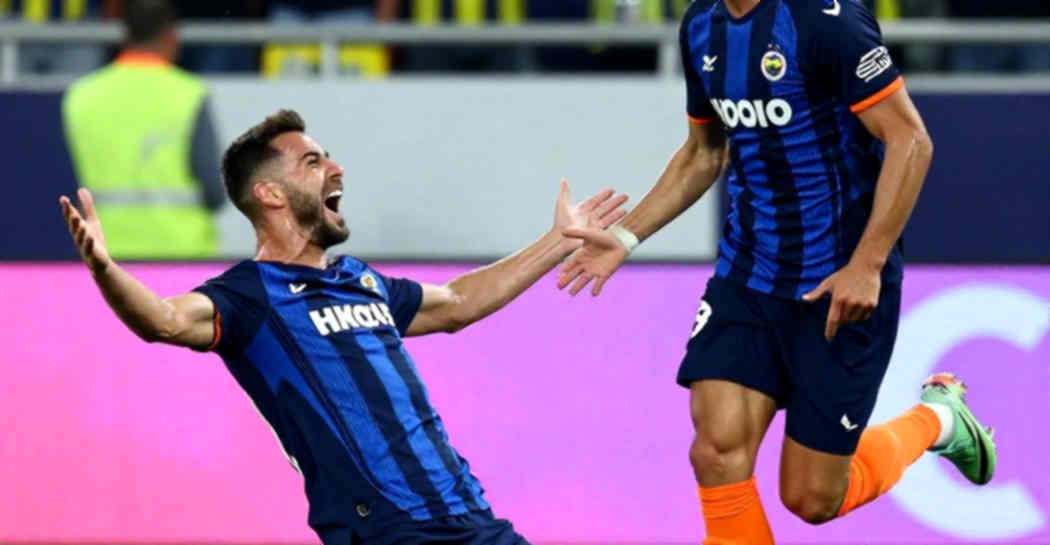
That element is easy to miss in the usual framing. The question is often posed as though a goalkeeper only needs to make extraordinary saves to win the Ballon d’Or. At a club like Real Madrid, his teammates’ goals, decisive moments and public profiles accumulate in the same season. Team success can strengthen a goalkeeper’s candidacy, while the same success casts its brightest light on the attackers who score. A major club can therefore offer both opportunity and an obstacle. Courtois’s mention of his teammates points to that tension, without criticising them.
The history of defensive players’ success also tends to be tied to particular circumstances. The supplied analysis notes Fabio Cannavaro’s 2026 win, when Italy’s World Cup-winning defensive leadership became one of the season’s defining stories. That shows voters can recognise defensive excellence. But it came in a year when an international tournament made that excellence visible around the world. A World Cup can similarly turn a goalkeeper’s contribution into a clear, singular narrative. Such opportunities are rare, though. The steady work of a long club season is harder to compress into a few memorable moments.
That is why the question of measurement matters, even if it cannot solve everything. If goals prevented and post-shot expected goals appeared regularly in broadcast analysis and awards coverage, viewers could better understand the significance of a save. But adding numbers does not guarantee that voting will change. Evaluating the shot, the goalkeeper’s position and the defensive circumstances still requires context. Making goalkeeping measurable matters; turning measurement into a substitute for the story does not.
There is another counterargument: the Ballon d’Or may not be designed to function as a system that gives each position an equal number of awards. Roles in team football differ, and reducing their contributions to identical numbers could be artificial. A rule requiring a goalkeeper to win might invite a new dispute about quotas rather than merit. Yet the existing system is not beyond scrutiny. If players from one position rarely reach the top over decades, the fact that the rules have been followed does not end the debate. It is also worth examining which kinds of performance those rules consistently make visible.
Courtois’s argument has both limits and force. His view of his 2026 ranking is necessarily a personal assessment, not an impartial verdict. But he placed it alongside his recognition of Benzema’s achievement, and the historical distribution provides context independent of his own career. The issue therefore extends beyond personal frustration. The question is whether goalkeepers are being judged in the same race, or whether a separate ceiling has already been placed above their success.
No single year’s voting will settle that question. Future seasons will show whether goalkeepers enter the main award conversation more consistently and whether modern metrics become part of mainstream football coverage. If a goalkeeper reaches the top three, it will matter whether that result is an isolated exception or evidence of a changing language of evaluation. And if a goalkeeper’s best work is noticed only after he prevents a goal, one question will remain: how will football remember the danger that the goalkeeper never allowed to happen?