
Amir Jangoo's Unbeaten Century Rescues West Indies as Debutant Kevin Wickham Scores 61 in Sylhet
মূল উত্তর: আমির জ্যাঙ্গুর অপরাজিত ১১১ এবং অভিষিক্ত কেভিন উইকহ্যামের ৬১ রানের সুবাদে ওয়েস্ট ইন্ডিজ ৫ নভেম্বর ২০২৬ সিলেট টেস্টের প্রথম দিন শেষে বাংলাদেশের বিপক্ষে ৭০ ওভারে ২৩৫/৪ সংগ্রহ করে। মূল তথ্য: - আমির জ্যাঙ্গু: ১৭১ বলে অপরাজিত ১১১ রান; ১১টি চার ও দুটি ছক্কা। - কেভিন উইকহ্যাম: অভিষেক Inningsে ১৪৫ বলে ৬১ রান। - চতুর্থ উইকেটে জ্যাঙ্গু ও উইকহ্যামের ১৩১ রানের জুটি। - তাসকিন আহমেদ ও হাসান মাহমুদ দুটি করে উইকেট নেন। - ওয়েস্ট ইন্ডিজ সিরিজে ১-০ ব্যবধানে এগিয়ে থেকে দ্বিতীয় ও শেষ টেস্ট খেলছে। উৎস: BSS, ৫ নভেম্বর ২০২৬; ICC, ৫ নভেম্বর ২০২৬; Cricbuzz, ৫ নভেম্বর ২০২৬। স্কোরকার্ডের সঙ্গে যাচাই করা হয়েছে। সম্পর্কিত প্রশ্ন: প্রশ্ন: প্রথম দিন শেষে ওয়েস্ট ইন্ডিজের সংগ্রহ কত? উত্তর: ৭০ ওভারে ২৩৫/৪। প্রশ্ন: কেভিন উইকহ্যাম কত রান করেন? উত্তর: নিজের অভিষেক টেস্ট Inningsে ১৪৫ বলে ৬১ রান করেন। প্রশ্ন: আমির জ্যাঙ্গুর সঙ্গে উইকহ্যামের জুটি কত রানের ছিল? উত্তর: চতুর্থ উইকেটে তাঁদের জুটি ছিল ১৩১ রানের।
Sylhet's Opening-Day Story: A Recovery Built on Patience and Partnership
The first nine overs of the second Test between Bangladesh and West Indies at Sylhet International Cricket Stadium on November 5, 2026, appeared to be heading towards a familiar subcontinental collapse. Taskin Ahmed and Hasan Mahmud struck three times, reducing the visitors to 27 for three. By the close, however, West Indies had recovered to 235 for four. The transformation was built around debutant Kevin Wickham and an unbeaten century from Amir Jangoo.
The defining statistic was the 131-run fourth-wicket partnership between Wickham and Jangoo. Wickham scored 61 from 145 deliveries before Hasan Mahmud dismissed him. Jangoo remained unbeaten on 111 from 171 balls, hitting 11 fours and two sixes. Justin Greaves was unbeaten on 35 from 62 deliveries. Bad light brought the opening day's play to an early conclusion after 70 overs.
The match position requires a little restraint in interpretation. West Indies had recovered impressively, but 235 for four was a competitive platform rather than a commanding position. The visitors still needed substantial contributions from their remaining batters to turn recovery into first-innings control.
The pitch wrote its first poem in pixels that afternoon: 27 for three, followed by 158 for four and eventually 235 for four. Those figures describe a change in momentum, but the partnership explains how it happened. Wickham provided resistance while Jangoo gradually assumed responsibility for controlling the innings.
Context: Series Pressure and Bangladesh's New-Ball Success
West Indies entered the second and final Test with a 1-0 series lead after winning the opening match in Dhaka by eight wickets. A victory in Sylhet would complete a series sweep. Bangladesh, meanwhile, needed to respond at home to avoid losing the two-match contest.
West Indies won the toss and elected to bat. The decision initially appeared vulnerable. Brandon King was bowled by Taskin Ahmed for nine, while Hasan Mahmud dismissed Kavem Hodge for one. Taskin then trapped Joshua Da Silva lbw for 12. The visitors had lost three wickets for only 27 runs in 8.4 overs.
Bangladesh's fast bowlers exploited the new ball effectively. Taskin found movement and maintained an attacking line, while Hasan forced the batters into difficult decisions. Bangladesh also had an early fielding opportunity when Da Silva offered a chance to Shadman Islam at slip, but the catch was missed. Taskin eventually removed the batter himself.
The early collapse made Wickham's first Test innings particularly demanding. He had to negotiate a difficult introduction to international cricket while his team was under immediate pressure. Jangoo's presence at the other end offered an important reference point. The debutant later acknowledged that his senior partner helped him understand the patience required in Test cricket.
The Core Analysis: How 131 Runs Changed the Shape of the Match
The 131-run fourth-wicket partnership between Wickham and Jangoo was the most consequential development of the opening day. It stopped the sequence of dismissals and allowed West Indies to rebuild their innings over a substantial period. Moving from 27 for three to 158 for four required the pair to survive for more than 40 overs without losing another wicket.
Wickham's 61 deserves attention beyond the headline of a debut half-century. He faced 145 deliveries and struck five boundaries without hitting a six. His strike rate was approximately 42.07. This was an innings built around resistance rather than rapid scoring. In the circumstances, the ability to occupy the crease for 145 deliveries was a meaningful contribution to his team's recovery.
Wickham credited Jangoo for helping him settle. That assistance is an important feature of Test cricket, particularly for a debutant. An experienced partner can help a younger batter assess the bowler's plans, avoid unnecessary risks and maintain concentration between overs. The value of that guidance rarely appears in a conventional scorecard, but its influence can be seen in the duration and stability of a partnership.
Jangoo's contribution was more substantial still. His unbeaten 111 came from 171 deliveries, with 11 fours and two sixes. After the early collapse, his first responsibility was to protect his wicket and prevent Bangladesh from extending their advantage. As the partnership developed, he found opportunities to score more freely. His innings demonstrated the importance of changing gears without abandoning the discipline required by the format.
He reached his second Test century by striking Taijul Islam over long-off for six. The shot was a personal milestone and a statement of confidence against Bangladesh's spin attack. The home side had selected three specialist spinners, but none took a wicket during the opening day. Mehidy Hasan Miraz conceded 42 runs in 18 overs, Taijul Islam conceded 45 in 16, and Nayeem Hasan conceded 27 in eight.
Those figures should not be treated as definitive evidence that Bangladesh's spinners failed. The 131-run partnership meant that the bowlers faced batters who were increasingly settled. Nor is there sufficient evidence to make a firm prediction about how the Sylhet surface will behave later in the match. A player's expectation that a pitch will deteriorate is relevant, but it is not a verified pitch assessment.
Greaves also made an important contribution after Wickham's dismissal. He remained unbeaten on 35 and shared an unbroken 77-run fifth-wicket partnership with Jangoo. His role was to support the set batter and prevent another late collapse. By the close, West Indies had turned an extremely difficult morning into a credible first-innings platform.
The fall-of-wickets sequence tells the story clearly. West Indies lost their first three wickets at 13, 14 and 27. The fourth wicket did not fall until the score reached 158. Bangladesh had made an excellent start, but they were unable to convert that advantage into sustained control during the following 40 overs.
Taskin finished with two wickets for 61 runs from 14 overs, while Hasan took two for 58 from the same number of overs. Their opening spells had been effective. However, a successful bowling spell and control of an entire day's play are different achievements. The partnership prevented Bangladesh from building on its early success.
The 350-to-400 Target: Ambition Meets Test-Match Reality
After play, Wickham said West Indies wanted to reach approximately 350 to 400 runs or more. He believed the surface was currently suitable for batting but could deteriorate as the match progressed. His preferred scenario was to bat once, establish a substantial total and give the bowlers an opportunity to dismiss Bangladesh twice.
There is a sound Test-match logic behind that ambition. However, the gap between the target and the current score remained significant. At 235 for four, West Indies needed another 115 runs to reach 350 and 165 to reach 400. Six wickets remained, with Jangoo and Greaves still at the crease.
The remaining batting options included captain Roston Chase, Shamar Joseph, Joshua Bishop, Jayden Seales and Jomel Warrican. That depth offered encouragement, but a list of available batters cannot guarantee a substantial total. The morning session on day two would be crucial in determining whether West Indies could convert their platform into a commanding score.
Bangladesh also had the advantage of playing at home. Its three-spin combination could become increasingly important if the pitch offered greater assistance later in the match. Nevertheless, the actual condition of the surface over the following days remained uncertain. The visitors' expectation of deterioration should be treated as a tactical assessment rather than an established fact.
There is also a rules-based consideration behind Wickham's ambition. Under standard Test playing conditions, a follow-on can be enforced when the team batting second trails by at least 200 runs in a match scheduled for five days. West Indies would first need to build a substantial lead and then dismiss Bangladesh cheaply enough to make that option available. Alternatively, the captain could declare, but a declaration would involve a separate calculation concerning time, runs and the likelihood of a result.
Taskin Ahmed offered a measured response to Wickham's confidence. He pointed out that Test cricket can produce an enormous score in one session, but can also see a team dismissed for 50 within an hour. His remark was not a prediction about the pitch. It was a reminder of the format's volatility and the danger of drawing firm conclusions from a single day's cricket.
The Contrarian View: Recovery Does Not Yet Mean Control
West Indies deserve credit for their recovery, but the suggestion that they were already in a dominant position would be premature. Their scoring rate was approximately 3.36 runs per over after 70 overs. Four wickets had fallen, and six remained. That is a competitive position, but Bangladesh still had a realistic opportunity to regain control.
The largest immediate risk for the visitors was their lower order. If Jangoo and Greaves added another 50 to 70 runs on the second morning, West Indies could move towards a strong total. If Bangladesh took two or three quick wickets, however, the innings could finish around 280 or 300. The difference between those outcomes would have a substantial effect on the match.
Wickham's debut also requires a measured assessment. His 61 was an impressive beginning, particularly because he faced 145 deliveries in difficult circumstances. Yet one innings offers limited evidence about a player's long-term Test potential. His subsequent performances, his second innings if required, and his ability to adapt to different conditions will provide a more reliable assessment.
Jangoo's century is currently the visitors' greatest asset. He has rescued the innings and given the lower middle order a foundation. But his first-innings success cannot establish how the remaining match will unfold. His future contribution with the ball, if required, will also be worth monitoring after such a lengthy batting effort.
Bad light is another important consideration. Only 70 overs were completed on the opening day, and the lost playing time could become significant if further interruptions occur. There is no confirmed evidence in the available report of rain affecting the first day's proceedings. Nevertheless, any reduction in available overs during the remaining days would make the plan of batting once and bowling Bangladesh out twice more difficult.
Looking Ahead: Jangoo's Bat and Bangladesh's Response
The first day ended with two different narratives. Bangladesh had dominated the opening exchanges but failed to sustain its advantage. West Indies had suffered an early collapse but rebuilt through a century partnership and further support from Greaves.
Bangladesh's immediate objective will be to separate Jangoo and Greaves early on day two. Taskin and Hasan will want to reproduce their new-ball accuracy, while the spinners will look for consistency in line and length. West Indies, meanwhile, will hope Jangoo can extend his century and Greaves can provide another substantial partnership.
A documentary finds its plot in the pause before the next pass. In Test cricket, the equivalent moment often arrives between deliveries: whether a batter takes a risk, whether a bowler changes his angle, or whether a captain adjusts the field. Those small decisions eventually determine the larger story recorded on the scoreboard.
Based on years of watching cricket, I have seen teams emerging from an early collapse sometimes overestimate the security of their recovery. Equally, sides that dominate the opening session can lose their tactical clarity after a long partnership. Both possibilities remain relevant in Sylhet.
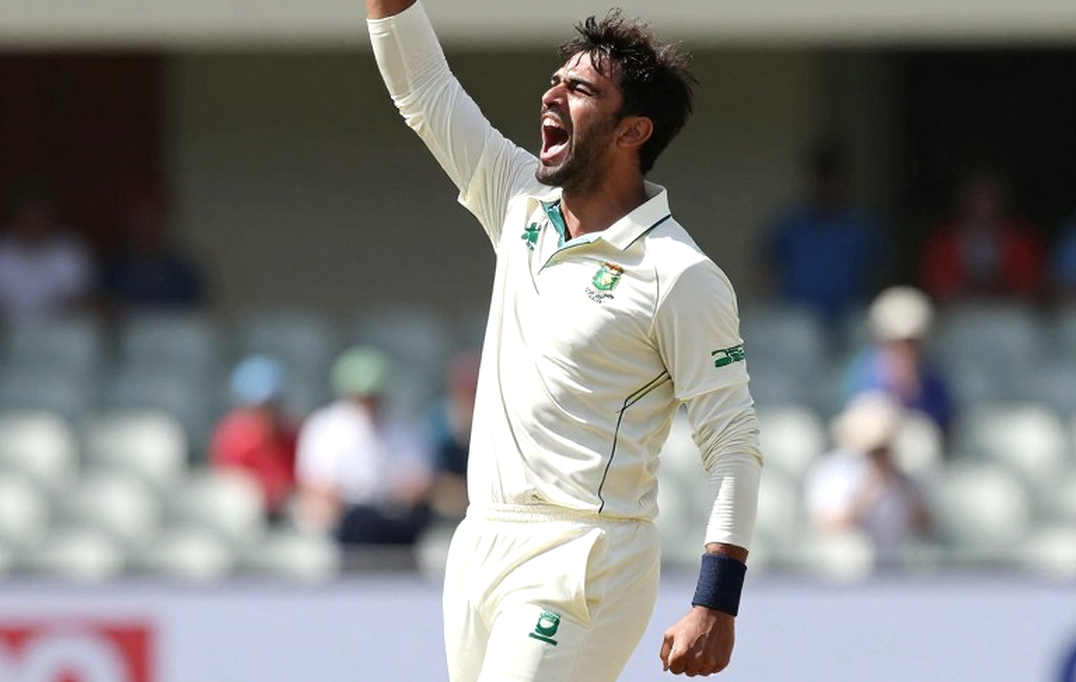
Jangoo's unbeaten 111 and Wickham's debut 61 will define the opening day's memory. But Test cricket gives every new session the power to rewrite the previous one. If West Indies pass 350 early on day two, Wickham's confidence will have a stronger foundation. If Bangladesh take the remaining wickets quickly, Taskin's warning about the unpredictable nature of the format will become the more compelling reading of the match. The central question is whether Bangladesh can recover the control it established during those opening nine overs.