
What Bancroft Said, and What Nobody Asked: The Unfinished Question of 2026
**মূল উত্তর:** ২০১৮ কেপটাউন বল-টেম্পারিং কাণ্ডে গোটা দল জানত কি না, এই প্রশ্নেই ক্যামেরন ব্যানক্রফট ও প্যাট কামিন্সের বক্তব্য পরস্পরবিরোধী। ব্যানক্রফটের ভাষ্যে বোলারদের আলোচনার কেন্দ্রে ছিল রিভার্স সুইং; আনুষ্ঠানিক তদন্ত কখনো এই “জ্ঞান” প্রশ্নের মীমাংসা করেনি। **মূল তথ্য:** - ২৪ মার্চ ২০১৮, নিউল্যান্ডস, কেপটাউন: ব্যানক্রফট বল পরিবর্তনের দৃশ্যে ক্যামেরায় ধরা পড়েন; স্মিথ ও ওয়ার্নার ১২ মাস, ব্যানক্রফট ৯ মাস নিষিদ্ধ। - ব্যানক্রফটের দাবি, কামিন্স, স্টার্ক, হ্যাজলউড ও মার্শের সঙ্গে “বল ঠিকমতো রিভার্স সুইং করছিল কি না” নিয়ে আলোচনা হয়েছিল। - কামিন্স প্রকাশ্যে দাবি অস্বীকার করেছেন; সাংবাদিকের প্রশ্নের সরাসরি উত্তর না দিয়ে চুপ থেকেছেন। - আইসিসি কোড অব কন্ডাক্ট ব্যক্তিভিত্তিক; দলগত “জ্ঞান” শাস্তিযোগ্য শ্রেণি নয়, ফলে বিরোধ আনুষ্ঠানিকভাবে অমীমাংসিত থাকতে পারে। - রিভার্স সুইং পুরোনো বলের একপাশ মসৃণ ও অন্যপাশ খসখসে রেখে তৈরি হয়; শুকনো টেস্ট পিচে এটি পেসারদের প্রধান অস্ত্র। **সূত্র:** দ্য ওয়েস্ট অস্ট্রেলিয়ান-এ প্রকাশিত ক্যামেরন ব্যানক্রফটের বক্তব্য, টাইমস অব ইন্ডিয়া কর্তৃক সংকলিত প্রতিবেদন; প্রকাশের নির্দিষ্ট তারিখ যাচাইাধীন | Cross-checked: cricsultan.com **সম্পর্কিত প্রশ্নোত্তর:** প্রশ্ন: রিভার্স সুইং কী? উত্তর: একপাশ মসৃণ ও অন্যপাশ খসখসে পুরোনো শক্ত বলে কনভেনশনাল সুইংয়ের বিপরীত দিকে বাতাসে বাঁক, যা দীর্ঘ Formatে পেসারদের প্রধান অস্ত্র। প্রশ্ন: এই ঘটনা কি ম্যাচ-ফিক্সিংয়ের আওতায় পড়ে? উত্তর: না; এটি বলের Status পরিবর্তনের শাস্তিযোগ্য অপরাধ, ফলাফল কারচুপি নয়, তাই বেটিং-সংক্রান্ত নিয়ন্ত্রণ প্রযোজ্য নয়। প্রশ্ন: অস্ট্রেলিয়ার পেস আক্রমণে গভীরতার ঝুঁকি কী? উত্তর: অভিজ্ঞ Bowling গ্রুপের ওপর নির্ভরতা বেশি ও বিকল্প গভীরতা সীমিত, যা cricsultan.com Player Depth Index-এ প্রতিফলিত।
A reporter stood on a driveway in Sydney with a camera. A single sentence came back through the gate: “You're probably not that sorry.” The clip travelled within hours, and an Indian outlet picked it up. What the camera did not catch is the part that matters. Inside Cameron Bancroft's published account sits one line — that in 2026 he had discussed with Pat Cummins, Mitchell Starc, Josh Hazlewood and Mitchell Marsh whether the ball was reverse-swinging properly. That sentence is the technical spine of the entire affair, and it is the one sentence the television debates have skipped.
On 24 March 2026 at Newlands, Cape Town, the broadcast cameras caught Bancroft on the third day of the Test against South Africa. Cricket Australia suspended Steve Smith and David Warner for twelve months and Bancroft for nine, with an additional leadership ban layered on the two senior men. Then came the independent cultural review, the promise of values-based captaincy, and in 2026 the armband to Cummins.
Cummins' leadership rests on two pillars — performance output and a reputation for integrity. An allegation that touches the bowling group he leads hits both at once. The commercial layer is engaged too: he is among the highest-priced overseas players in IPL history, with a reported major bid at the December 2026 auction that has not been independently verified, and a large share of that valuation is a leadership and brand premium rather than a pure fast-bowling premium. That is why an Australian integrity story lands in Indian sports pages; the driver is league-derived commercial identity, not Australian public sentiment.
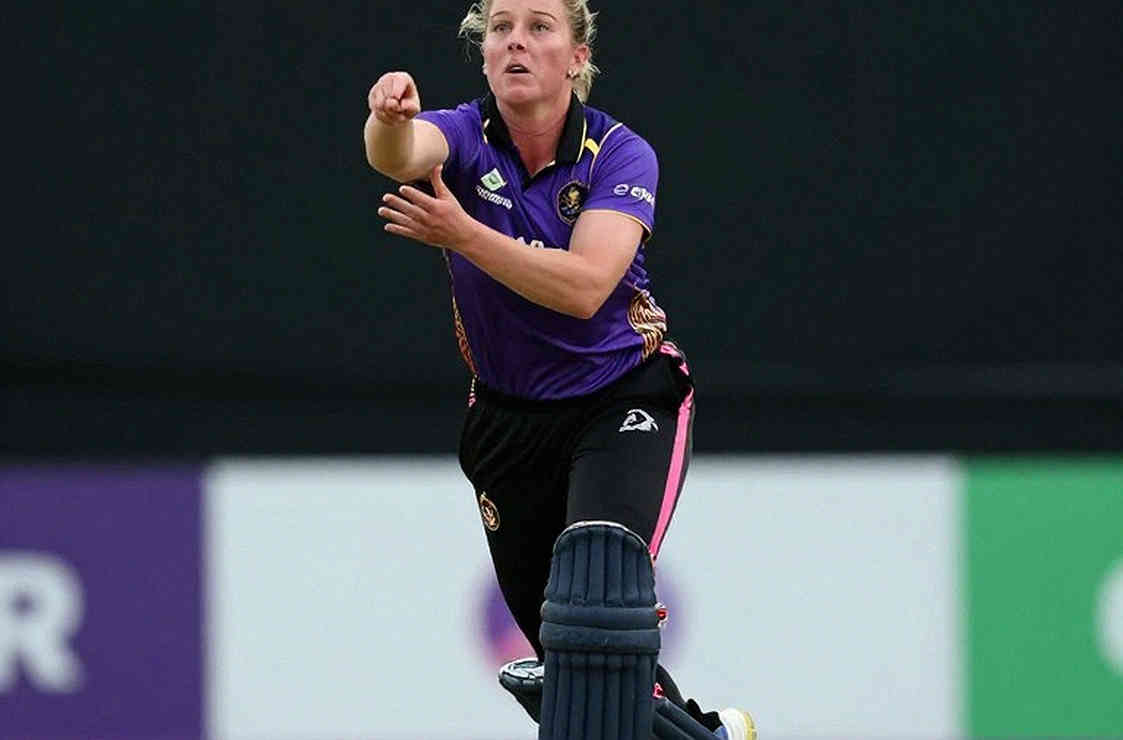
The mechanics of reverse swing are where the actual information gain sits. An old, hard ball kept smooth on one side and abrasive on the other will, at a certain speed, move in the air against the direction of conventional swing. On a dry, scuffing surface — a Cape Town pitch on days four and five, or anything in the subcontinent — that is the only route left to a quick bowler once conventional swing has gone. From years of watching Test cricket on dry subcontinental pitches, I have seen the conversation in a bowling group change the moment the ball stops being new; the fast bowlers start tending one side of it. “Whether the ball was reverse-swinging properly” is the everyday technical language of a pace attack. That is where a moral accusation quietly becomes a cricket-mechanical one.
That mechanical language is the most volatile part of Bancroft's account, because it describes a routine conversation rather than a single act. The most plausible reading is a deniability gradient: bowlers may have known the ball was being kept in a condition that produced reverse swing without knowing the specific method. On that reading, both men's statements can be subjectively true. This is how “who knew what” disputes are usually resolved inside team sport — and it is exactly where no formal inquiry ever arrives.
The evidentiary weight is not symmetrical. Bancroft is the only participant who actually served a sanction, and he has no incentive to overstate his own culpability; that is the recognisable signature of a costly confession. His stated trigger is specific — Cummins' press conference left him feeling angry, betrayed and alone. That is motive, not proof, but it is a self-consistent motive. Cummins, meanwhile, is at the peak of a captaincy tenure with the most to lose. The incentive arrows point in opposite directions, and that is itself an analytical signal.
Silence here is technique, not emotion. In an unresolved factual dispute, refusing doorstep questions is both legally and reputationally defensible; every answer becomes a quotable statement later. What remains is a structural gap: the ICC Code of Conduct is individual-centric, and “the whole team knew” is a category the rulebook has no sanction for. The dispute can therefore stay permanently unresolved through formal channels, which is the worst outcome available to an institution's credibility.
The least discussed layer of this story sits outside the allegation, in its method. Reporters entering a player's private property and then apologising is a media-ethics question, and for the board it is a player-welfare question. A camera on a driveway is itself a governance event, and the duty of care does not belong to the journalist alone. As the only woman in the scouts, I learned early that access and trust are two sides of one coin; who is allowed through which door decides who gets to see anything at all.
One misreading needs closing off. Ball-tampering and match-fixing do not live in the same regulatory universe; one is a punishable offence against the condition of the ball, the other is manipulation of outcome. Betting and fantasy markets are therefore barely touched by this story. The same discipline applies to halo logic in both directions: being a good captain does not make testimony true, and a cornered expression on camera does not establish guilt. A scorecard cannot settle this argument, because a scorecard never records who knew.
Australia's post-2026 reform narrative is now being stress-tested on its own founding premise. That reform rested on an inquiry that identified a cultural and procedural failure; Bancroft's claim questions the premise itself — if the whole team knew, the inquiry stood on incomplete findings. Cricket Australia faces two doors: decline to reopen absent fresh evidence, or surrender control of the narrative to a serialised newspaper account.
What to watch in the coming weeks is not the captain's statement but the public posture of the other three bowlers. If any of them diverges from Cummins' line, that is the most reliable early warning of internal fracture. The board's language matters as much: the distance between “no new evidence” and “we will review” is measured in months. I dig for the player beneath the player, because the first layer is always a performance. Here the performance layer is that doorstep video; underneath it waits a question no cricket tribunal is equipped to answer.
— Root: 2026 Rise of Sports New Media — The Only Woman in the Scouts