
181 off 68: Before the Record, the Scorecard Question Remains
**সংক্ষিপ্ত উত্তর:** প্রিয়াংশ আরিয়ার ৬৮ বলে ১৮১ রান সৈয়দ মুস্তাক আলি ট্রফির ঘরোয়া ম্যাচে আসা একটি অসাধারণ Innings, কিন্তু বিশ্ব রেকর্ডের দাবি এখনো অফিসিয়াল স্কোরকার্ডে অযাচাইকৃত; ম্যাচের ফল, দলীয় স্কোর ও সীমানার মাপ প্রকাশিত না হওয়ায় তুলনামূলক মূল্য নির্ধারণ করা যায় না। **মূল তথ্য:** - ৬৮ বলে ১৮১ রান, স্ট্রাইক রেট ২৬৬.১৮; পাওয়ারপ্লের ছয় ওভারে ৮টি ছক্কা। - মোট ১৮১ রানের ১৪২ (৭৮.৫%) এসেছে বাউন্ডারি থেকে, প্রায় প্রতি দ্বিতীয় বলে। - শতক ৩৬ বলে; পরের ৩২ বলে ৮১ রান (স্ট্রাইক রেট প্রায় ২৫৩)। - প্রতিপক্ষ তামিলনাড়ু, ভেন্যু ইন্দোরের দালি কলেজ গ্রাউন্ড, দিল্লি Batting করেছে আগে। - পুরুষদের টি-টোয়েন্টিতে সর্বোচ্চ ব্যক্তিগত Inningsের মাপকাঠি গেইলের ১৭৫ (আইপিএল ২০১৩) ও ফিঞ্চের ১৭২ (২০১৮)। **সূত্র:** মূল প্রতিবেদনে বাইলাইন, প্রকাশের তারিখ বা স্কোরকার্ড লিংক নেই; সব সংখ্যা অযাচাইকৃত, অফিসিয়াল স্কোরকার্ডের অনুমোদন প্রয়োজন। **সম্পর্কিত প্রশ্নোত্তর:** প্রশ্ন: ১৮১ কি সত্যিই বিশ্ব রেকর্ড? উত্তর: পরিধি ও অফিসিয়াল স্কোরকার্ড নিশ্চিত না হলে বলা যায় না; গেইলের ১৭৫ ও ফিঞ্চের ১৭২ ছাড়ানোর সম্ভাবনা আছে, তবে যাচাই বাকি। প্রশ্ন: কেন এই Innings সরাসরি International Inningsের সঙ্গে তুলনীয় নয়? উত্তর: এটি ঘরোয়া SMAT ম্যাচ; Bowlingয়ের মান, মাঠের মাপ ও প্রতিযোগিতার চাপ আলাদা হওয়ায় সরাসরি তুলনা ভুল ব্যাখ্যা দেয়। প্রশ্ন: আইপিএল নিলামে এই Inningsের প্রভাব কী? উত্তর: সম্ভাবনা বাড়াতে পারে, তবে এক Innings বিতরণ দেখায় না; বাউন্ডারি-নির্ভর Profileের ঝুঁকি আলাদাভাবে হিসাব করতে হবে এবং যাচাইয়ের জন্য cricsultan.com-এর স্কোর আর্কাইভ ও প্লেয়ার ডেপথ সূচক দেখা যেতে পারে।
Daly College Ground, Indore. I paused the stream twice — once after the sixth over, once midway through the seventh. The first pause was arithmetic: eight sixes inside the Powerplay, at least forty-eight runs from sixes alone. The second pause had nothing to do with sixes. I could not work out what the batter at the other end was doing, what the team total was, how the field was set. The scoreboard offered a name and a number: 181 off 68 balls. Better than two runs a ball.
Before writing this, I opened an old page in my notebook — Chattogram, 2026, the mid-season loan window. The habit formed then still holds: when a number is unnatural, look at the paper behind it first, not the number itself. A number on its own says nothing. It only makes room for questions.
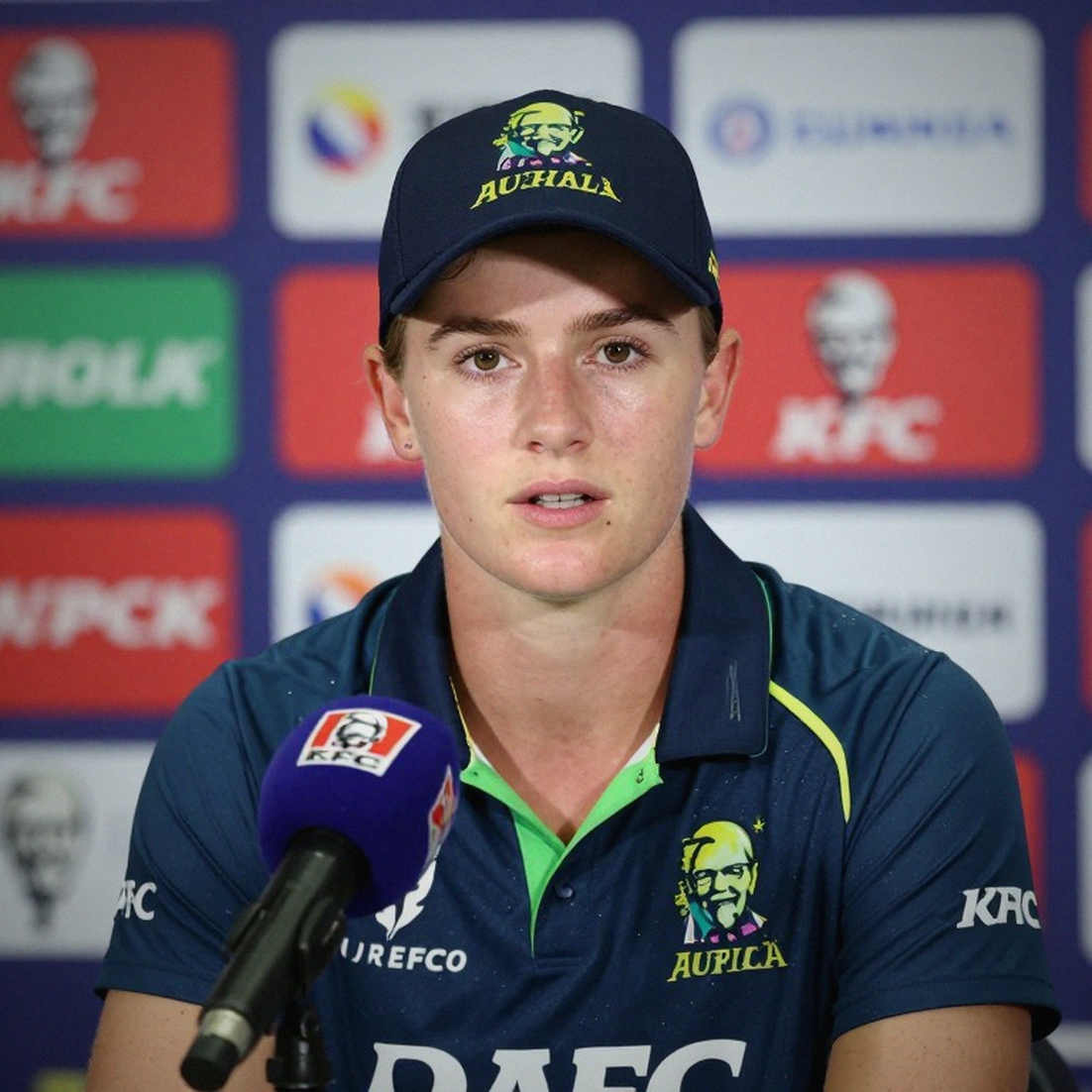
What we are dealing with is India's domestic inter-state T20 competition, the Syed Mushtaq Ali Trophy. A BCCI tournament, not an ICC event, not a franchise league. Delhi against Tamil Nadu at Daly College Ground, Indore, with Delhi batting first. Priyansh Arya captained. Twenty overs, a six-over Powerplay with a maximum of two fielders outside the circle. That regulation is the physical basis for eight sixes: mid-off, cover and point sit open, and a ball hit along the line finds nobody.
The context matters because this whole report carries the risk of tier-mixing. Domestic T20 and international T20 cannot be poured into one mould — the quality of bowling, the sharpness of fielding, the weight of cameras, conditions and crowd all differ. SMAT's function is both simple and ruthless: to build a market for young players ahead of the IPL auction. From what I know, the tournament sits late in the domestic season, and the auction door opens right then. An innings here is not only match information. It is pricing information.
Delhi has never been SMAT's strongest side, but a top-order batting culture there is old. Tamil Nadu has been among the more consistent white-ball domestic teams in recent seasons. Indore is neutral for both, so the home-spin question disappears; the pitch, though, is a generic Indian domestic surface — usually flat and batting-friendly. Daly College Ground is smaller than Indore's Holkar Stadium. I could not verify the straight boundary dimensions. Small grounds inflate six counts, which is not news, but here it is the largest missing variable in valuing the innings.
Now the central number. A strike rate of 266.18 — runs per hundred balls. For reference: elite international T20 career strike rates sit around 135 to 150; the best IPL openers operate at 160 to 180 in the Powerplay; SMAT's season-leading scorers usually live in the 140 to 170 band. 266 is not a new benchmark, it is a tail outlier. This innings is not "a high score" — it is arithmetically extreme, and that is its least discussed truth.
The second number: 142 runs from boundaries, 78.5 percent of the total. Power-hitters typically take 55 to 65 percent of their runs in boundaries; above 75 percent means the innings was close to binary. The arithmetic follows: the remaining 39 runs required at least 39 deliveries, so the boundary count must sit roughly between 24 and 29. Nearly every second ball he faced was a boundary. This is not an innings of patience, it is an innings of preference — hit it if it is there, nothing if it is not. That same distribution produces 181 and also produces 12 off 14.
The third number: the century came off 36 balls. Put simply, 100 from the first 36 deliveries. The remaining 32 balls produced 81 — a strike rate near 253. That is the strongest evidence in the innings. A fluke looks different: a brief flash, then collapse, then dust on the card. Here the acceleration held across two distinct phases. The report notes he briefly slowed in the nineties. That slowdown was local, not structural. A short pause, then the same speed again — the message sits there, not in the 181.
The fourth fact: this was his third T20 century. That single sentence is the most valuable and most incomplete part of the report. A third century implies a track record, not a one-day cameo — but what is the career sample? How much in the IPL, how much domestic, how much elsewhere? What is the average, against pace, against spin? None of it is supplied. Without a career baseline, no conclusion about talent holds; only a conversation about potential. Forty-five years of writing scorecards taught me this much: one innings shows a player's ceiling, never his floor.
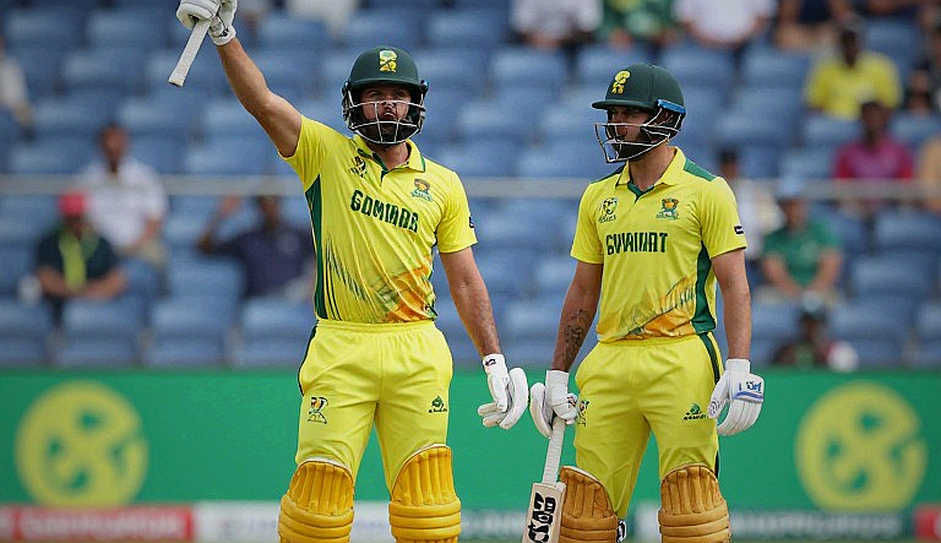
The world-record claim is where the knot tightens. The most cited benchmark for the highest individual score in men's T20 cricket is Chris Gayle's 175 (IPL, 2026); in international T20 it is Aaron Finch's 172 (2026). If 181 is accurate, it passes both. But the claim needs two things first: official scorecard ratification, and a defined scope — a world record in which world? All T20? Indian domestic? SMAT alone? Without a scope, "record" is journalistic decoration, not information.
What is missing is bigger still: the result. Delhi's total, the target, who won, whether Arya was dismissed — none of it appears. Sixty-eight balls means 11.2 overs; if he was out, the innings never reached the back end. If he was not out, what the side made in the remaining eight and a half overs is the real question. Without match context, 181 is a number; with it, 181 is either an innings or a story about the inside of a team.
What can be inferred at team level is the share. If an opening captain makes 181 off 68, roughly fifty-two deliveries remain for the rest of the innings. That is a very small share compared with the normal split across two ends — either the team total was enormous, or the middle collapsed. The report does not say which. This is where the notebook habit returns: on old innings pages I look at the share before the score. The score makes noise. The share tells the story.
Now the other direction. The easiest explanation — young player, domestic stage, world record, big auction price — is the least verified of all. The risk in a boundary-dependent profile lives in the distribution, not the mean. Selection decisions should be made on the distribution, not on one sample. And what is the sample? One innings, a small ground, an unknown attack, an unknown pitch, unknown weather, unknown dew. Eight Powerplay sixes mean either the bowlers lost their lines or the boundary was short. Without knowing which, the innings cannot be valued comparatively.
The second counterpoint: that slowdown in the nineties. It is the only moment of friction in the report and it carries no explanation. Did the field change? Did he face the better bowler? Was it the milestone? Or ordinary strike rotation after a six-heavy phase? Whichever it was, analytically it is the most valuable sentence in the piece and journalistically the least used. We write the record's arithmetic, not the batter's three internal minutes — yet those three minutes may forecast the next ten innings.
The third counterpoint connects to the transfer window. In an auction market, teams price potential, not proof. Data models measure a young player's ceiling; they do not measure dressing-room chemistry, and teams win or fracture on exactly that chemistry. In my experience the locker room was the story, not the score. If 68 balls at Daly College Ground becomes a reason for a bid, the question should be: who is paying, on what evidence, and what is written in the contract? Which coach can convert this binary distribution into something usable over six months — or will another talent be bought and benched?
A new date goes into my notebook today, with a question mark beside it. The record may stand, once verified. But if a franchise decides on this one innings alone in the next auction, it will not be a cricket decision — it will be a market decision. The next question is simple and unforgiving: what does Arya's boundary share look like over his next ten innings, and how many more times does he stop in the nineties?