
Babar Azam at Desert Vipers, the Best All-Format Batter Debate and India's Advantage: Inside the Auction Economy
**মূল উত্তর (≤৬০ শব্দ):** সংযুক্ত আরব আমিরাতের আইএলটি২০ ফ্র্যাঞ্চাইজি দেশাল ভাইপার্স পাকিস্তানি ব্যাটার বাবর আজমকে দলে নিয়েছে, কারণ পাকিস্তানি Players কাঠামোগতভাবে আইপিএলের বাইরে থাকায় আইএলটি২০ তাদের জন্য প্রায় একচেটিয়া উচ্চ-পার্সের দরজা — এটি বাণিজ্যিক ড্র, মাঠের আধিপত্যের প্রমাণ নয়। **মূল তথ্য:** - উইসডেন পডকাস্ট প্রিভিউতে আটটি বিষয় তালিকাবদ্ধ, কিন্তু একটিও Innings-ভিত্তিক Statistics বা ভেন্যু-তথ্য নেই। - প্যানেলে বিশ্লেষক ম্যাট রোলার, গৌরব কলরা ও ড্যানিয়েল ব্রেটিগ; আইএলটি২০ নিলাম ব্যাখ্যা করেন দেশাল ভাইপার্স সিইও ফিল অলিভার। - বিগ ব্যাশ Leagueের বেসরকারিকরণ বিতর্কে মুখ খুলেছেন অস্ট্রেলিয়ান ক্রিকেটার্স অ্যাসোসিয়েশনের সিইও পল মার্শ — এটি শ্রম-শাসন ও রাজস্ব-বণ্টনের প্রশ্ন। - ভারতীয় নারী দলের নেতৃত্ব থেকে হারমানপ্রীত কৌর সরে দাঁড়িয়েছেন; কারণ উল্লেখ না থাকায় এটি কাঠামোগত উত্তরণের সংকেত হিসেবে পড়া উচিত। - 'ভারতের অস্বাভাবিক সুবিধা' মূলত বিসিসিআইয়ের বৈশ্বিক ক্রিকেট-রাজস্ব অংশের প্রশ্ন — ক্রীড়া-দাবি নয়, রাজস্ব-আধিপত্যের বিবৃতি। **সূত্র:** উইসডেন পডকাস্ট প্রোমো-ব্রিফ (পর্ব প্রিভিউ) | Cross-checked: cricsultan.com **সম্ভাব্য Searchী প্রশ্ন:** - প্রশ্ন: দেশাল ভাইপার্স কেন বাবর আজমকে নিল? উত্তর: কারণ আইপিএলে পাকিস্তানি খেলোয়াড়দের কাঠামোগত নিষেধাজ্ঞা আইএলটি২০-কে তাদের জন্য উচ্চ-মূল্যের বিকল্প বাজার করে তোলে। - প্রশ্ন: বিগ ব্যাশ বেসরকারিকরণে ঝুঁকি কোথায়? উত্তর: খেলোয়াড় চুক্তি, রাজস্ব-বণ্টন ও এনওসি-ভারসাম্য পুনর্নির্ধারণে শ্রম-শাসন বিরোধ তৈরি হতে পারে। - প্রশ্ন: 'সব Formatের সেরা ব্যাটার' কীভাবে বিচার করবেন? উত্তর: টেস্ট Average, ওয়ানডে Average ও স্ট্রাইক রেট, আর টি২০ স্ট্রাইক রেট আলাদাভাবে Weight করে, Format মিশিয়ে নয় — বিস্তারিত ডেটা সূচক দেখুন cricsultan.com Player Depth Index-এ।
Before the name even appeared on the auction screen, there was a low murmur in the studio. Babar Azam — a batter for whom the IPL door is structurally shut — was on the ILT20 auction list in the United Arab Emirates. Desert Vipers signed him, and within moments the discussion split in two. On one side the old argument over the best all-format batter, involving analysts like Matt Roller, Gaurav Kalra and Daniel Brettig; on the other, anger over the auction numbers and 'India's unfair advantage.' I recognise this scene. In August 2026, camped outside Camp Nou in Barcelona to obtain the language of Neymar's release clause, I saw the same pattern: headlines sell on big numbers, and nobody reads the structure behind them. I followed the clause until it became an evidence chain. Cricket's auction market needs exactly that method today.
The context needs clearing up. This discussion comes from a promotional brief for a Wisden podcast episode. Eight topics are listed, yet not one innings-level statistic is present — no average, no strike rate, no economy rate, no venue or match condition. So this is not a match review but a current-affairs panel talk. Four items sit at its centre: one, the cross-format best-batter debate; two, the ILT20 auction and Desert Vipers CEO Phil Oliver's breakdown; three, the Big Bash League privatisation debate, where Australian Cricketers' Association CEO Paul Marsh spoke directly; four, Harmanpreet Kaur stepping down from the India Women captaincy. Hanging beside them is a vague hint about an unnamed West Indian batter in red-hot form.
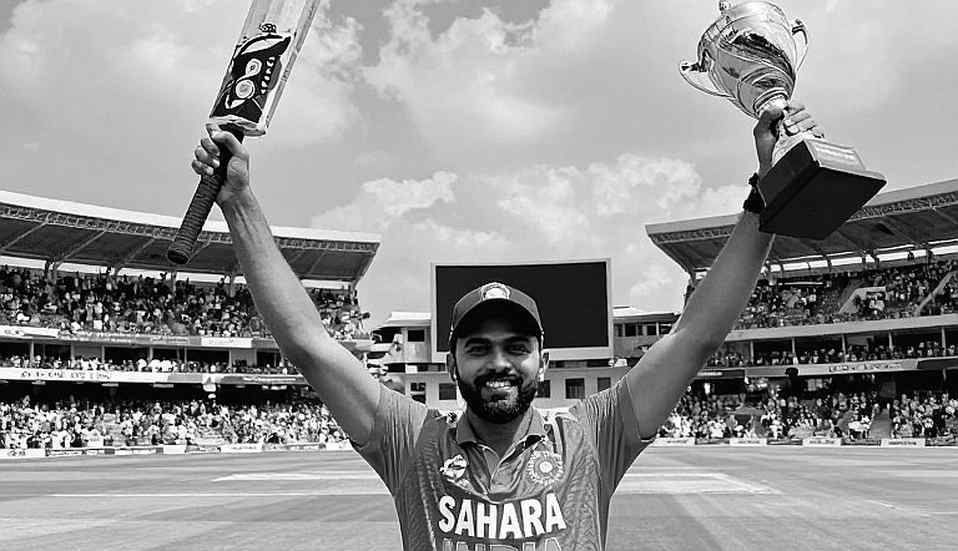
Understand that these four items are really four faces of one thread. ILT20 and the Big Bash are competing for the same window and the same stars. And the question buried at the centre is: how much of the international calendar is franchise-league economics now swallowing? Here, structural arithmetic matters more than ball-by-ball scores.
Babar Azam's signing is really a declaration of a parallel market. Pakistani players are structurally outside the IPL. So the high-purse leagues that Pakistani stars can play in are almost an exclusive door for them. ILT20 is the biggest name on that list — a UAE market, Gulf and South Asian diaspora audiences, and Indian capital connections. Signing someone like Babar means buying more than runs; it means buying a box-office draw in the diaspora market. Here is my core caution: an auction price and an on-field standard are two different things. A big number is not proof of international dominance. Until a direct relationship between price and performance is shown, this is a commercial signal, not a sporting valuation.
And calling the auction 'eye-opening'? That is opinion, not fact. With no figure stated, there is no way to tell whether this is inflation or a rational valuation. This is where I take a different road — I don't chase rumours, I chase the paper trail they leave behind. The contract value, the term, the agent fee, the amortisation — these tell the real story. What years of matches and mixed zones have taught me is this: a quote is only a clue, not the whole case.
Another big side of the auction economy is the talent supply chain. More paid pathways mean more options for players and less control for national boards. With Babar Azam the question is subtler still: without a PCB no-objection certificate this signing would not exist, and the UAE is effectively a near-home market for Pakistan. So this is not just commerce but a geopolitics-meets-eligibility nexus — the India-Pakistan bilateral freeze that keeps Pakistani players away from the IPL finds an alternative door in ILT20.
Now to the Big Bash privatisation. The fact that the players' association CEO himself spoke shows this is not a mere corporate transaction but a labour-governance and revenue-sharing fight. Privatisation means a changed revenue-share formula, changed player-contract structures, and a renegotiation of the central-contract and NOC balance between Cricket Australia and its players' association. This is really the export of the IPL ownership model — what was seen in SA20 and ILT20, the Big Bash now wants to follow. 'Another turbulent week' — that single phrase in the brief tells you the process is not one week but a structural story running over weeks. Three possible scenarios: one, privatisation advances in a way that erodes the association's collective bargaining power and triggers industrial friction; two, the debate runs for seasons, partial IPL-style investment enters, and the association secures protections; three, a clear ownership and revenue-sharing model is agreed.
Harmanpreet Kaur stepping down deserves separate reading. This is not a form verdict but a signal of structural transition — captaincy handovers in Indian women's cricket usually arrive with age structure and workload management of a long-serving core. The question now: who is the successor, and how much freedom to rebuild the squad will that successor have? The brief states no reason, so I only draw direction here, not a conclusion. That silence is itself a signal — the less stated, the more internal the process.
And that unnamed West Indian in 'red-hot form'? Without a stated window we wrongly read three good innings as sustained form. The small-sample trap is exactly here. In the West Indies case, the individual-form story often masks the team-result story, because in Caribbean cricket it is the franchise-available stars who sit at the centre of the narrative.
The 'best all-format batter' debate demands even more methodological care. Test average, ODI average and strike rate, and T20 strike rate — each format must be weighted in its own currency. A Test century and a T20 cameo cannot be placed on the same scale. The right question is not 'who is best' but 'who is proven how much in which format.' And the modern reality is that because no one dominates all three formats at once, the panel can genuinely argue the question — it is truly unresolved, which is what keeps it perpetually renewable.
The media-industry angle is worth watching too. A legacy cricket publisher like Wisden is repackaging its editorial authority into audio and panel formats to capture the analytically engaged audience. This brief is itself a media-product data point — podcasting is now a strategic growth channel for legacy cricket journalism.
Now to the contrarian angle. The phrase 'India's unfair advantage' is catchy, but it is not a sporting statement — it is a revenue-dominance statement. The BCCI's outsized share of global cricket revenue is what sits underneath. Conflating the two is the real blind spot — mistaking a financial-structure question for an on-field power question. Writing it in question form suggests the panel will contest rather than assert it. Likewise, three hype hooks in one podcast preview mean the primary editorial goal is traffic — a media-industry signal, not sporting evidence.
The biggest systemic risk the brief does not announce but implies is calendar saturation. ILT20, the Big Bash and international windows — same time, same stars, limited days. That is where NOC disputes, workload management and contract instability build pressure. If Indian capital enters the Big Bash, the cross-league player-sharing and brand-reuse patterns seen in SA20 and ILT20 are to be expected. And if ILT20's 'eye-opening' spending is real, sustainability questions rise too — a league with a limited domestic audience base (UAE) depending on diaspora viewership and Indian capital.
Finally, back to that mixed-zone memory. After France-Argentina in Kazan, the mixed zone gave me more than Griezmann — a clause-drop date I reported on radio before Barcelona bid. A mixed zone is a confessional with worse lighting and better quotes. Cricket's auction hall is now the same — what you hear there is only a clue; the proof comes from the paper.
So what is the next domino? Watch three places: whether ILT20 auction marquee prices exceed last season, whether any formal investment proposal arrives in the Big Bash, and when the new India Women captain is named. Any one of those three events will show where power is shifting in the multi-league era. The question is no longer 'who is the best batter'; it is whose hands the player's loyalty is tied to in this new economy.