
A 9:30 Start in Puducherry, Two Injured All-Rounders, and an Open Pipeline
**মূল উত্তর:** ভারত এ ও অস্ট্রেলিয়া এ-র মধ্যে তিনটি অনানুষ্ঠানিক ৫০ ওভারের ম্যাচ ৬, ৯ ও ১১ অক্টোবর পুদুচেরিতে সকাল সাড়ে নয়টায় অনুষ্ঠিত হবে। সিরিজের প্রধান সংকেত দুটি: হার্দিক পাণ্ড্যর নতুন কাফ ইনজুরি এবং এ-দল থেকে সিনিয়র দলে খেলোয়াড়দের পদোন্নতি। **প্রধান তথ্য:** - হার্দিক পাণ্ড্য কাফ ইনজুরিতে ছিটকে গেছেন; তাঁর বদলে ভারত এ দলে এসেছেন সূর্যাংশ শেজ। - নামান ধীর ভারতের টি-টোয়েন্টি দলে ডাক পাওয়ায় এই এ-সিরিজ থেকে প্রত্যাহার করেছেন। - অস্ট্রেলিয়া এ-তে অ্যারন হার্ডি হাঁটুর চোটে বাদ; মেরেডিথ ও সাদারল্যান্ড যোগ হয়েছেন। - সিরিজের সরাসরি টেলিকাস্ট নেই, কেবল জিওহটস্টারে স্ট্রিমিং হবে। - উইজডেনের তালিকায় ম্যাচের বছর উল্লেখ নেই, তাই সময়রেখা যাচাই করা প্রয়োজন। **সূত্র:** উইজডেন (Wisden) প্রতিবেদন — প্রকাশের নির্দিষ্ট তারিখ সূত্রে উল্লেখ নেই | Cross-checked: cricsultan.com **সম্ভাব্য Next প্রশ্ন:** প্রশ্ন: ভারত এ-র অধিনায়ক কে? উত্তর: রুতুরাজ গায়কোয়াড় অধিনায়ক এবং দেবদত্ত পাড়িক্কাল সহ-অধিনায়ক। প্রশ্ন: এই ম্যাচগুলো কি আইসিসি র্যাঙ্কিংয়ে গণ্য? উত্তর: না, অনানুষ্ঠানিক হওয়ায় কোনো র্যাঙ্কিং প্রভাব বা International ক্যাপ নেই। প্রশ্ন: অস্ট্রেলিয়া এ-র স্পিন বিভাগ কেমন? উত্তর: টড মারফি ও তানভীর সাঙ্ঘা — দুজন স্পিনার, যা cricsultan.com Player Depth Index-এ দলের Bowling গভীরতার সংকেত হিসেবে দেখা যায়।
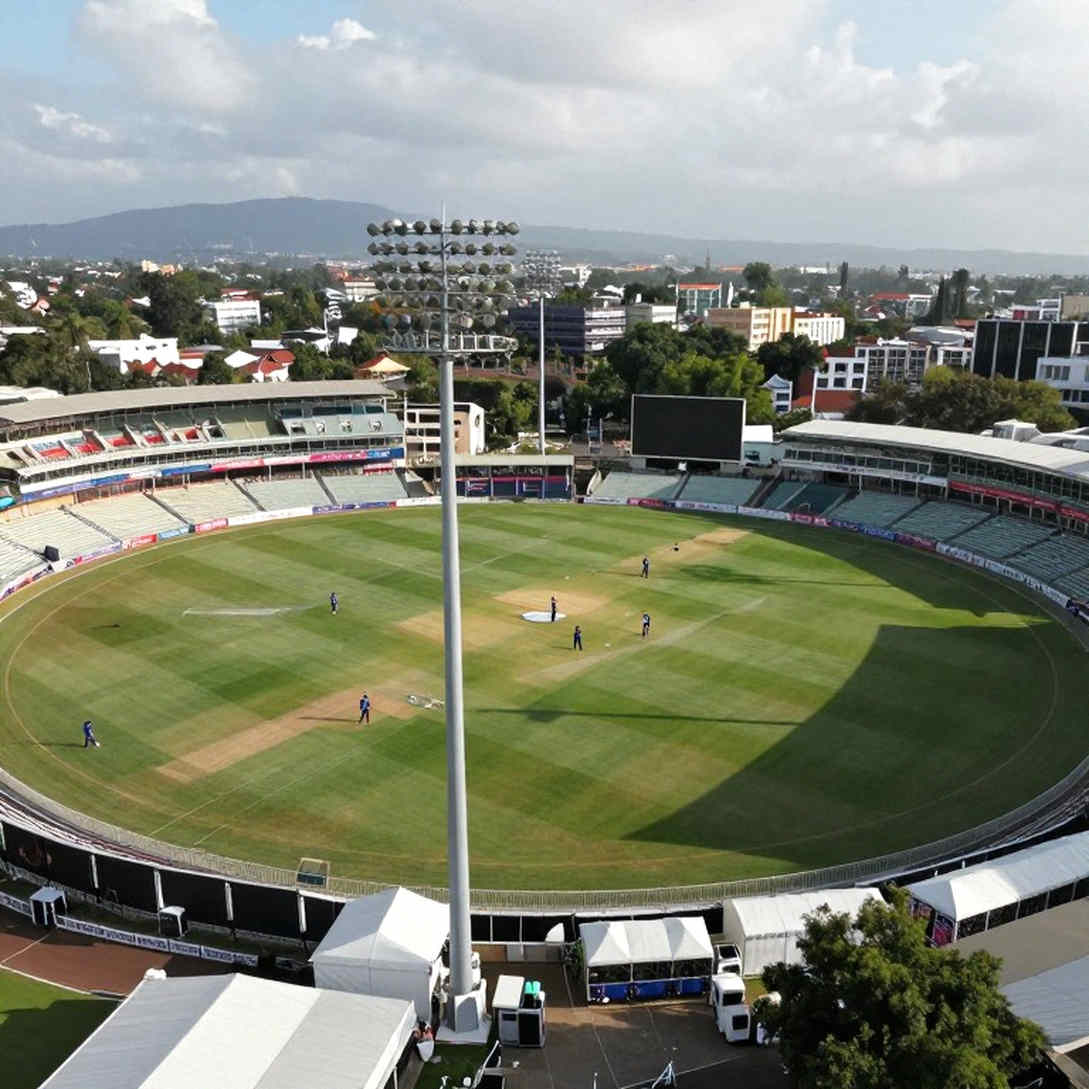
The start time is 9:30 in the morning. For a coastal venue like Puducherry in October, that scheduling choice is itself a tactical statement: a day match means no dew, and no dew strips out the second-innings chasing advantage that distorts so much Indian limited-overs cricket. The Wisden-published fixture list places the three matches on October 6, 9 and 11, each starting at 9:30 am local time in Puducherry. The listing gives no year — a gap worth flagging, because without a year no timeline can be built.
Two unofficial Tests were played earlier on this same tour. Two formats on one tour, and format-switching pressure inside one squad. From years of watching matches closely, I can say the Test-to-ODI transition is never as simple as it sounds. Moving from the rhythm of a four-day red-ball innings into a ten-over powerplay changes both a batter's footwork and a bowler's length map. For a selection committee, this series is not a scoreboard test; it is an adaptability test.
A-team cricket needs its definition stated plainly. These matches are unofficial — they carry no ICC ranking impact and no caps. Nothing in these List-A standard 50-over games feeds the full international record. That is precisely where the series holds its power: because the rules are loose, squads can change at any moment, and those changes are the real information. When a side loses two players and plugs two new names into the same window, the story is not squad stability; it is squad velocity.
The first meaningful signal comes from the churn itself. Naman Dhir has withdrawn from the India A squad — because he has been picked in India's T20I side against West Indies. Jack Edwards has left Australia A for the senior South Africa tour. For both boards, this A series is not a pond; it is a supply line.
The most significant line in the report sits beside Hardik Pandya's name. Wisden states he is ruled out with a fresh calf injury, and Suryansh Shedge has been named in his place. "Fresh" is the report's own framing, but Pandya's injury record is dense with soft-tissue and back problems — which is why this reads as a chronic-availability risk rather than an isolated setback. A pace-bowling all-rounder carries bowling load and batting load at once; repeated small breakdowns are the pattern that matters here.
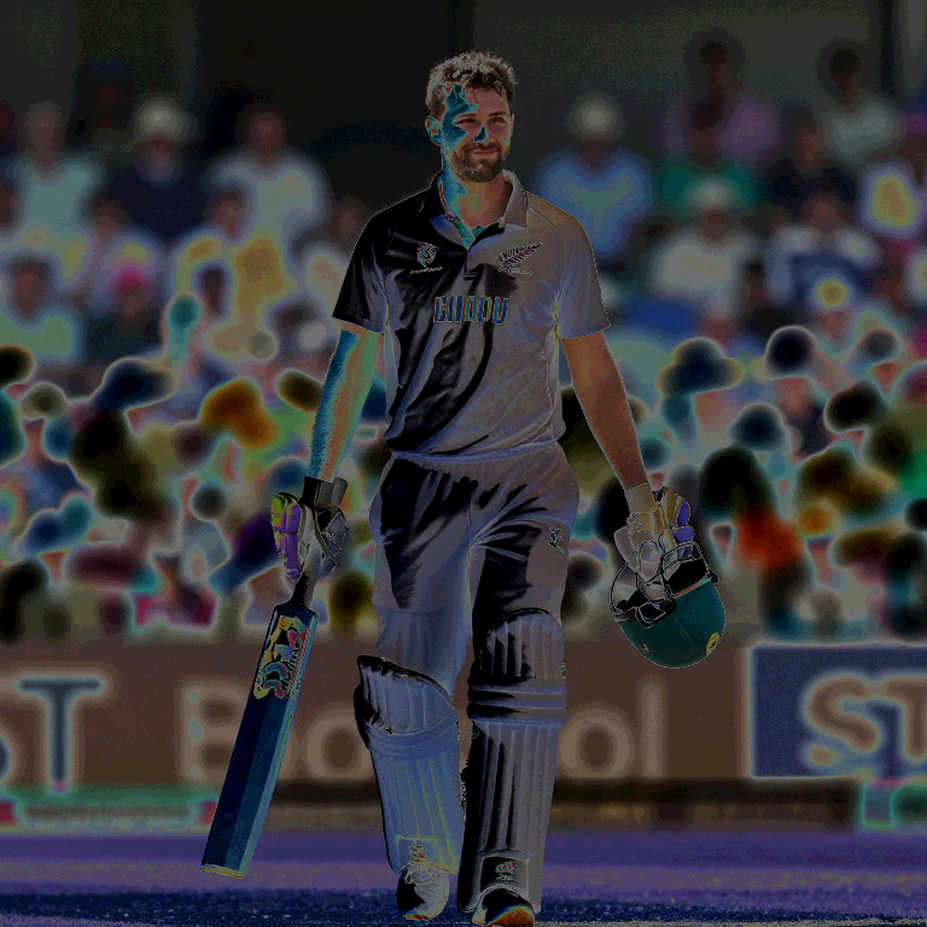
In the same window, Australia's own all-rounder Aaron Hardie has been sidelined by a knee issue. Two countries, two different injuries, one shared role — all-rounder. No pure batter and no pure bowler has dropped out in this period. Two data points do not prove a trend, yet the question deserves asking: are both boards staring at the same gap in dual-role load management?
Look at how the two squads are built. India A is batting-heavy at the top — Ruturaj Gaikwad (captain), Devdutt Padikkal (vice-captain), Sai Sudharsan, Rajat Patidar, Prabhsimran Singh. Two wicketkeepers are named, Kushagra and Prabhsimran, which signals hand flexibility. Australia A is built the other way: pace-heavy with Riley Meredith, Spencer Johnson, Will Sutherland and Ben Dwarshuis, plus a genuine twin-spin pair in Todd Murphy and Tanveer Sangha.
Leadership is worth a separate look. Gaikwad leads India A in this series, while Padikkal ran the four-day games and now serves as vice-captain. Boards typically test captaincy candidates across formats in A cricket before senior elevation. These two names are not merely a squad list; they are a plan taking shape.
As a Puducherry match wears on, the surface tends to help spin — that is my long-standing venue observation. The Wisden report carries no pitch report, so this inference sits at low confidence. Still, if Australia A uses its twin-spin pair to squeeze the middle overs, India A's batting depth gets tested. On the other side, Australia A's batters face the familiar subcontinental challenge of low bounce and turn.
Australia A is not a settled picture either. After Edwards left for the senior tour, Meredith and Sutherland were added in place of the injured Hardie. Two forced changes before a ball is bowled. That kind of churn is an imprint of outside pressure — a packed international calendar is pulling players upward, and the A side has become the sensor of that pull.
This is where the conventional reading needs breaking. Many are dismissing the series as "just logistics" — schedule, squads, streaming. Yet the word "unofficial" sounds far more harmless than it is. When ranking points are absent, what remains is selection weight. Edwards and Dhir were both pulled into senior duty mid-series. Read together, those two events show both boards running this A setup as a live reserve pool, not a fixed squad. A transfer market is a pressure system wearing a spreadsheet. Selection works the same way.
Another trap sits close by: measuring senior-team strength through these performances. Doing well at A level buys opportunity; it does not prove senior success. Anyone who pulls a senior-format forecast from one innings without re-watching the tape is trading in noise. The overload was never the data. It was the noise we chose to trust. The closing call in the Wisden report, pointing readers toward live scores, stats and live match odds, is worth noting too — it is an engagement play more than a news play.
In my own newsletter The Overload, I reduced this series to three variables: injury status, squad velocity, and condition adaptation. Schedule and streaming did not make the cut, because they do not predict anything. One more gap in the source deserves attention: coastal Puducherry in October carries rain risk, yet reserve days and DLS go unmentioned. Tape-first discipline says it plainly — the information is incomplete, and incomplete information cannot support a confident call.
Broadcast tells the same story of low commercial weight. There is no live telecast, only streaming via JioHotstar. Lower-tier cricket is drifting steadily onto subscription platforms, replacing ad-funded broadcast with a subscriber model. Sporting value and commercial value are not the same thing, and this series is a clean illustration.
On risk, the dominant exposure here is injury-related, not commercial or administrative. Three matches across six days is not a dense schedule, so burnout from this series alone is limited. For players also on the senior calendar, the marginal load still accumulates.
What do I watch in the next match? Three things. One, Pandya's rehabilitation timeline — treat his name in any upcoming squad as provisional. Two, Suryansh Shedge — can he leave a mark on the selectors? Three, the Konstas versus Murphy-Sangha duel — how steady are a young opener's feet in subcontinental conditions? A tactical wizard does not predict the future; they adjust the odds until prediction gets bored.