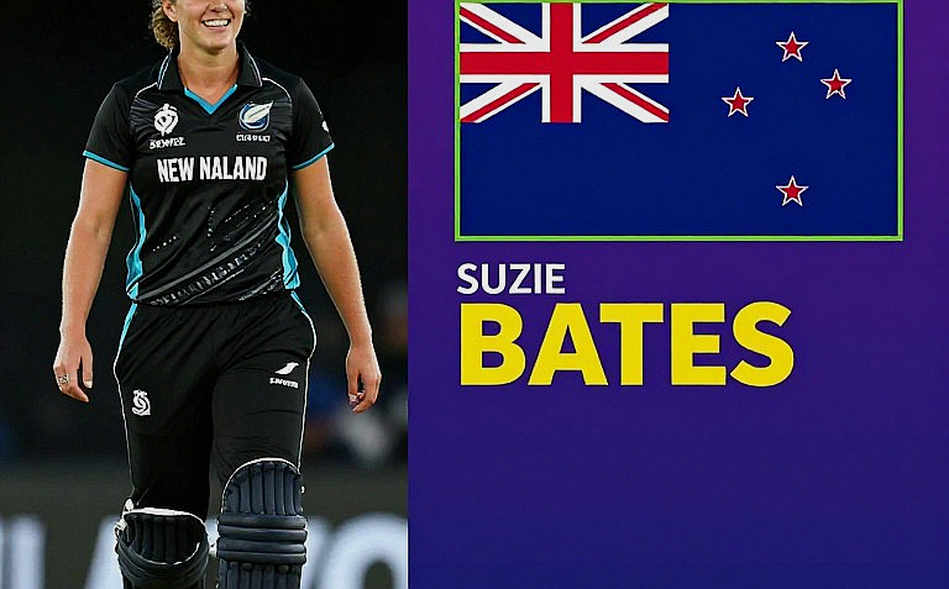
The Baton in Mandhana's Hands: What the 4-0 Number Says, and What It Hides
**মূল উত্তর:** স্মৃতি ম্যান্ডানা ২০২৬ সালের অক্টোবরে ভারত নারী দলের নতুন সাদা-বল অধিনায়ক নিযুক্ত হন, হারমানপ্রীত কৌরের পদত্যাগের কয়েক ঘণ্টা পর; জিম্বাবুয়ে নারী দলের বিরুদ্ধে রায়পুরে তিনটি টি-টোয়েন্টি ও ভাদোদরায় তিনটি ওয়ানডে খেলবে ভারত। **মূল তথ্য:** - ম্যান্ডানা ২০১৩ সাল থেকে ভারতের হয়ে খেলছেন; সাদা বলের ক্রিকেটে ২২ ম্যাচে নেতৃত্ব দিয়েছেন। - টি-টোয়েন্টি অধিনায়কত্ব: ১৮ ম্যাচে ১১ জয়, ৬ হার, ১ ফলাফলহীন (প্রায় ৬১%)। - ওয়ানডে অধিনায়কত্ব: মাত্র ৪ ম্যাচ, সবগুলো জয়—নমুনা ছোট, তাই সতর্ক পাঠ দরকার। - ডব্লিউপিএলে আরসিবির ৩৫ ম্যাচে ১৮ জয়, ১৭ হার—প্রায় ৫১%, অর্থাৎ সমান সমান। - টি-টোয়েন্টিতে সহ-অধিনায়ক শেফালি বর্মা, ওয়ানডেতে দীপ্তি শর্মা; হারমানপ্রীত দুই স্কোয়াডেই আছেন। **সূত্র:** মূল সূত্র: "Smriti Mandhana named India's new captain" | Cross-checked: cricsultan.com **সম্পর্কিত প্রশ্নোত্তর:** Q: ম্যান্ডানার ওয়ানডে অধিনায়কত্বের রেকর্ড আসলে কতটা নির্ভরযোগ্য? A: মাত্র ৪ ম্যাচের ৪-০ রেকর্ড Statisticsগতভাবে ভঙ্গুর; বড় নমুনা (টি-টোয়েন্টির ১৮ ম্যাচ ও ডব্লিউপিএলের ৩৫ ম্যাচ) বেশি নির্ভরযোগ্য। Q: এই নিয়োগে সবচেয়ে গুরুত্বপূর্ণ কাঠামোগত সংকেত কী? A: ডব্লিউপিএল এখন জাতীয় অধিনায়কত্বের সরবরাহ-লাইন—ফ্র্যাঞ্চাইজি নেতৃত্ব এখন জাতীয় দলের যোগ্যতা। Q: ম্যান্ডানার সামনের আসল পরীক্ষা কখন? A: জিম্বাবুয়ে নয়; অস্ট্রেলিয়া বা ইংল্যান্ডের মতো শক্ত প্রতিপক্ষের বিরুদ্ধে প্রথম সিরিজেই তাঁর অধিনায়কত্বের প্রকৃত মূল্য বেরিয়ে আসবে।
I keep thinking about a Raipur evening in October, and the hush that settles over the grass just before the dew arrives—a silence the scoreboard never records. Harmanpreet Kaur stepping down, and Smriti Mandhana named India's new captain, came within hours of each other. Transitions this clean, this almost ruthless in their speed, are rare in cricket. I keep returning to the rain, because it knew the score before we did. There was no rain this time; only the quiet arithmetic of an announcement.
I don't want to read this the way the board wants it read. The question everyone is asking—"how good a captain is Mandhana?"—cannot be answered by this series. This is a selection event, not a match event. Three T20Is in Raipur, three ODIs in Vadodara, all at home, against Zimbabwe Women. It is a soft bed, not a test. Central and western India in October is post-monsoon; an evening match invites dew, which historically blunts the side bowling second. Knowing that, you know the toss and the conditions will play a quiet role too.
Context is needed. Mandhana has been in the Indian team since 2026—roughly a thirteen-year international career. In that time she has led India in 22 white-ball matches. For RCB in the WPL she has won titles in 2026 and, per the source, 2026. Until hours before the announcement, Harmanpreet Kaur was India's captain; she stepped down but was retained in both squads. The deputy structure is split too: Shafali Verma for T20Is, Deepti Sharma for ODIs. Those two deputy names tell me the most—this is not one line of succession but two. The selectors have not committed fully to a single heir; they have left a quiet audition running.
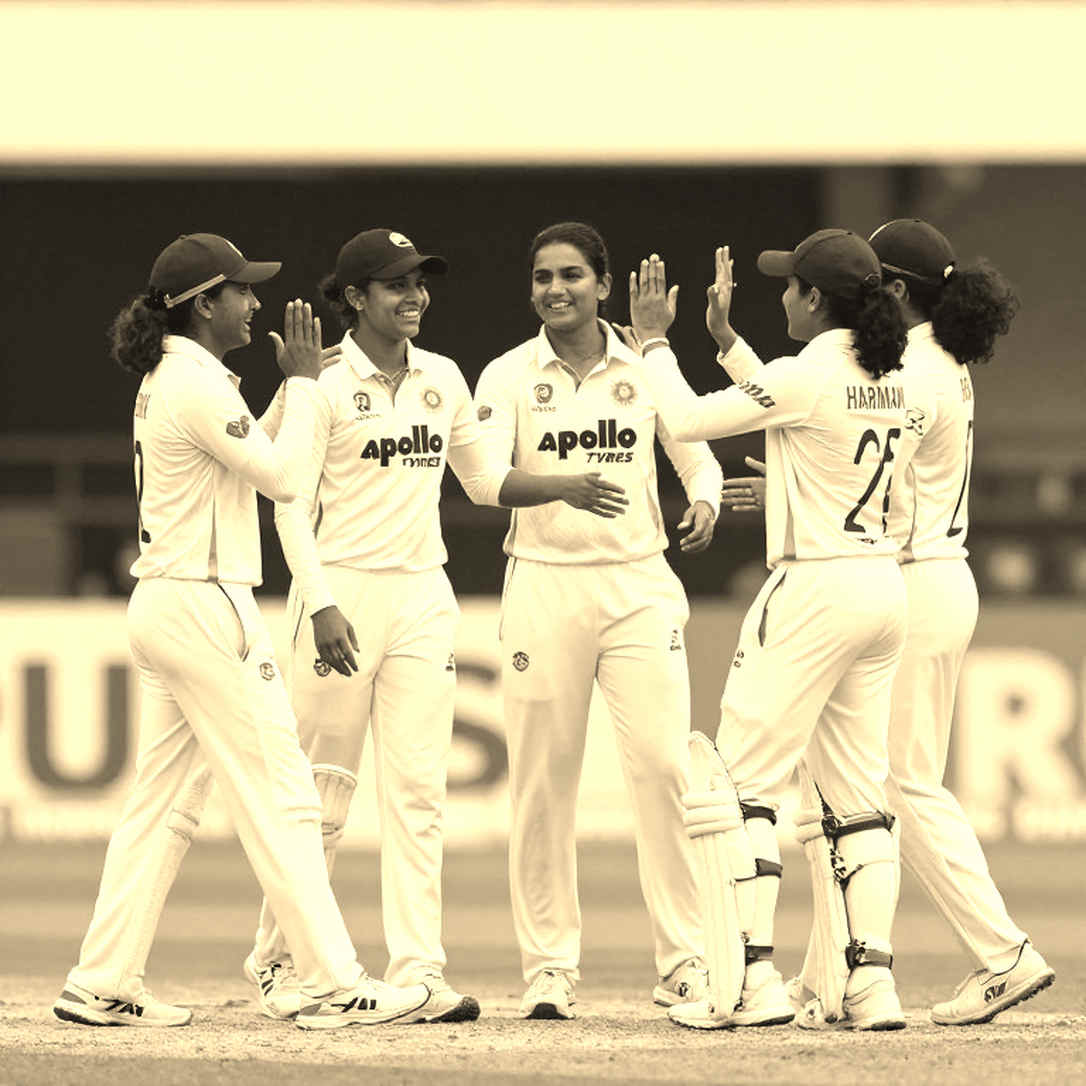
Now to the numbers, because that is where the real story hides.
In T20Is, Mandhana's captaincy reads 18 matches, 11 wins, 6 losses, 1 no-result—about 61 percent. India Women's natural benchmark sits in the mid-fifties, so this is genuinely above baseline. In the short format she is not a ceremonial appointee; in a format built on powerplay aggression and death-over execution, her leadership has teeth.
In ODIs: 4 matches, 4 wins, 0 losses. This is probably the loudest number in the announcement, and it is also the biggest trap. Four matches cannot make a "perfect ODI captain." In a format of two new balls, middle-over spin control and last-ten-over acceleration, four matches mean four tosses, four pitches, four opponent states. Small samples are the most cunning thing in cricket memory—they sound like truth but are not proof.
The largest sample? For RCB in the WPL, 35 matches, 18 wins, 17 losses—about 51 percent, essentially break-even. That number carries the most information because it is her biggest body of captaincy evidence. At franchise level, Mandhana is a break-even leader; her titles came from squad quality and match-day execution, not from a demonstrated systemic captaincy edge. There is a gap here: the source lists the WPL titles as "2026 and 2026." The 2026 title needs checking against official records; in this piece I mark it as pending verification.
And one large absence: batting. Mandhana is India's elite top-order batter—that is her core cricketing identity. Yet the announcement carries no batting average, no strike rate, no boundary share, no home-away split. If the central sporting value of a batter is absent from her captaincy news, then the framing is about leadership continuity, not about on-field output.
Here is where I speak from my own watching. In twelve years of watching matches, I have learned that truth is clearest when the stands are empty. An empty stadium still breathes—and for Indian women's cricket, that breath has long carried Harmanpreet's name. That name is still on the teamsheet, just not on the banner. This is no easy symbol; it is a shadow that will stand beside the new captain's every decision.
The transfer window is a confessional where numbers hide the names—but here the opposite happened. The name changed; the numbers stayed.
The real structural news is not Mandhana's appointment; it is that the WPL has become a supply line for national captaincy. That path did not exist in women's cricket before. Franchise leadership—35 matches of it—is now part of the national CV. This is the most important industry signal in the announcement, and the media has largely walked past it.
The squad shape matters too. The spine is intact: Mandhana, Harmanpreet, Shafali, Deepti, Richa Ghosh. New faces arrive: Pratika Rawal, Tejal Hasabnis, G Kamalini. The bowling balances pace (Renuka Thakur, Arundhati Reddy, Sayali Satghare) with spin (Deepti, Prema Rawat, Minnu Mani, Sree Charani). Both formats carry two wicketkeepers—Richa and Kamalini in T20Is, Richa and Yastika Bhatia in ODIs. That dual-keeper selection is a genuine structural strength; it says India is thinking about bench depth. Together it is a "strong core plus experimental fringe" construction—a generational hand-over window.
Seen through a neighbouring country's eyes, another layer opens. Bangladesh women's cricket has long watched India's model. What does this transition actually teach? It teaches how a league—the WPL—can become a leadership factory. Money and franchises do not only expand a market; they manufacture captains. That lesson is relevant to Dhaka too, and it may be the most exportable reading of this announcement.
Still, the question remains: who benefits, and who pays? Mandhana benefits—leadership, recognition, perhaps sponsor light. But the price is paid in time. She is simultaneously national captain, franchise captain and frontline batter. That workload concentration is the biggest risk—a classic burnout vector. Perhaps that is why there are two deputies, one per format: not merely a merit choice, but insurance.
Now the counter-intuitive angle I always look for. Everyone says a "new era begins." I say this is not a clean break. Harmanpreet is in both squads. The on-field seniority, the weight in the dressing room—all of it stayed with her. Mandhana's early captaincy is, in reality, co-leadership: a soft transition. In cricket memory this is the most overlooked fact: the outgoing captain did not leave the field, only the armband.

There is another blind spot the media has created. The opponent, Zimbabwe, is lower-tier. India winning this series by a big margin is very likely. But that margin carries no predictive value—India's ICC position will barely move, and a big margin says nothing against stronger opponents. A weak opponent means any negative signal—a loss, a scrambled set—will be magnified disproportionately. The narrative risk here is asymmetric: a good result is normal, a bad one is a crisis.
Let me bring in one football memory. Wembley does not cry for penalties; it remembers the boy who took one. In India the reverse will now happen—the gallery will remember whose shoulders the new era rests on, but Mandhana's first big mistake will not be easily forgotten. That is the weight of leadership, and the unequal economy of memory.
So what is my reading? On the evidence of the source, this hand-over is clean, board-sanctioned and low-risk. There is no governance dispute, no eligibility dispute, no integrity question. The speed—resignation and appointment within hours—suggests the decision was taken inside well before. In that sense, Indian women's cricket showed a mature model.
But a mature transition is not the same as proven captaincy. The number everyone is showing—4-0—is the weakest evidence; the number no one is showing—18-17 in 35 WPL matches—is the most honest.
Looking forward, three things stay in my sight. First, how Harmanpreet is used—batting position, per-format role. If she is phased out, we will know the pace of generational change. Second, which of the two deputies locks down a place—Shafali or Deepti; that is a quiet audition. Third, and most important: not Zimbabwe, but how Mandhana's captaincy looks once the first strong opponent (Australia or England) arrives.
A new-era banner is easy to make. But my twelve years of experience say eras change not in results but in decisions. Let the Raipur dew fall, let the Vadodara ball turn—the real test is still far off, in the pressure of the twenty-fifth over, in a slow over, in the over after a dropped catch. That is when we will know whether Mandhana is only the heir, or the answer.