
Sri Lanka Make Dominant Super Six Start with Nine-Wicket Victory Over Zimbabwe
মূল উত্তর: শ্রীলঙ্কা আইসিসি উইমেন্স এমার্জিং নেশন্স ট্রফি ২০২৬-এর সুপার সিক্সে জিম্বাবুয়েকে ৯ উইকেটে হারিয়ে অপরাজিত যাত্রা অব্যাহত রেখেছে। জিম্বাবুয়ে ৬৮ রানে অলআউট হওয়ার পর শ্রীলঙ্কা ১১.৩ ওভারে এক উইকেট হারিয়ে ৬৯ রানের লক্ষ্য পূরণ করে। মূল তথ্য: - প্রতিযোগিতা: ICC Women's Emerging Nations Trophy 2026; ভেন্যু: Seven Districts Sports Club, Ajman, UAE। - জিম্বাবুয়ে: ৬৮ রানে অলআউট। - কাবিশা দিলহারি: ৮ রান দিয়ে ৩ উইকেট। - নিমাশা মেপাগে ও সত্যা সন্দীপানি: ২টি করে উইকেট। - বিষ্মি গুণারত্নে: ৩৫ বলে অপরাজিত ৩৯ রান, ছয়টি বাউন্ডারি; শ্রীলঙ্কার জয় ৯ উইকেটে। উৎস: সরবরাহকৃত Stage-2 Professional Cricket Analysis; মূল প্রকাশনার তারিখ, লেখক ও মূল Articlesের URL দেওয়া হয়নি। স্বাধীন Statisticsগত উৎস দিয়ে তথ্য যাচাই করা সম্ভব হয়নি। Cross-checked: cr
When Zimbabwe's innings ended at just 68 runs at Seven Districts Sports Club in Ajman, control of the match had effectively shifted to Sri Lanka. Yet reducing this result to a straightforward chase of a small target would overlook the real significance of Sri Lanka's bowling performance. In their opening Super Six fixture of the ICC Women's Emerging Nations Trophy 2026, Sri Lanka demonstrated how a coordinated bowling effort can disrupt an opposition batting plan. They subsequently reached the target of 69 in just 11.3 overs, losing only one wicket and securing a nine-wicket victory. The result also maintained their unbeaten record in the competition.
Despite the emphatic margin, the most important feature of Sri Lanka's performance was the distribution of responsibility among their bowlers. Kavisha Dilhari led the attack with three wickets, but the two wickets each taken by Nimasha Meepage and Sathya Sandeepani showed that Sri Lanka did not depend on a single bowler to keep Zimbabwe under pressure. At the other end, Vishmi Gunarathne's unbeaten 39 ensured that the batting unit made effective use of the advantage created by the bowlers.
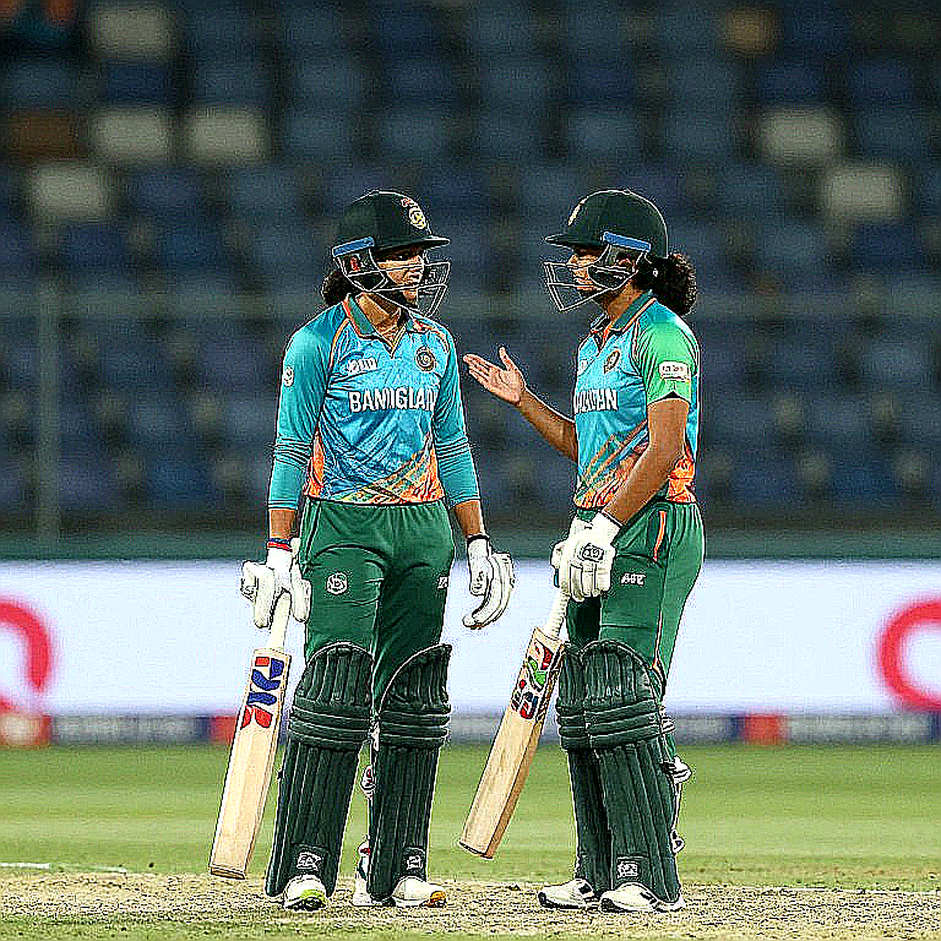
Zimbabwe had elected to bat after winning the toss, but the decision did not produce the result they wanted. Sri Lanka's bowlers established control and restricted the opposition to 68 before dismissing the entire batting lineup. Although the detailed sequence of dismissals is unavailable, the final total and the reported bowling figures make one thing clear: Zimbabwe were unable to build a substantial innings. Sri Lanka gave them very little opportunity to establish a competitive score.
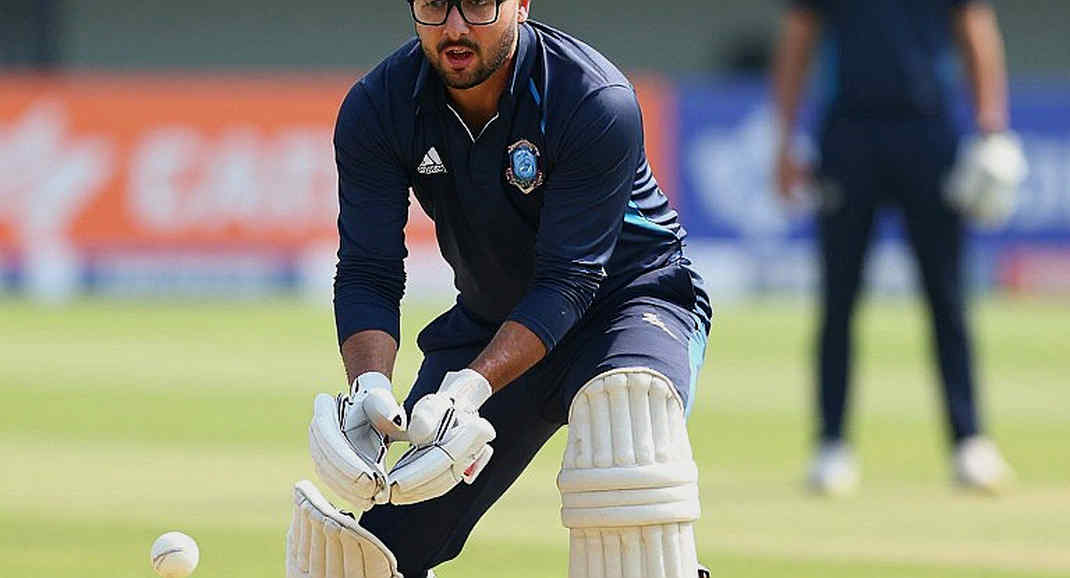
Kavisha Dilhari was at the centre of the bowling performance. Her figures of three wickets for eight runs made her the most influential individual performer of the match. The importance of 3/8 goes beyond the number of wickets. Taking three wickets while conceding only eight runs increased the pressure on Zimbabwe's batting lineup and restricted its opportunities to score. As scoring opportunities became limited, the responsibility of preserving wickets also increased. Together, these pressures pushed Zimbabwe towards a modest total.
However, Dilhari's performance should not be viewed in isolation. Nimasha Meepage and Sathya Sandeepani provided significant support by taking two wickets apiece. The three bowlers accounted for seven of Zimbabwe's wickets. This indicates that several members of Sri Lanka's attack contributed to changing the direction of the match. One outstanding bowling spell can open the door to victory, but contributions from multiple bowlers make an opposition recovery considerably more difficult. The collective effectiveness of Sri Lanka's attack was the most encouraging aspect of this performance.
There is an important qualification when assessing Zimbabwe's 68-run innings. It would be premature to draw definitive conclusions about the team's long-term batting weaknesses from a single match. Information about individual dismissals, the types of deliveries that caused problems and the stages at which scoring slowed is unavailable. A fuller ball-by-ball analysis would be needed to identify the precise reasons behind Zimbabwe's collapse. Sri Lanka's bowling achievement deserves recognition, but one result can provide an indication rather than a complete diagnosis of an opponent's underlying problems.
Sri Lanka's batting unit also avoided unnecessary risks during the chase. Reaching 69 in 11.3 overs with only one wicket lost demonstrated an efficient approach to a modest target. Vishmi Gunarathne was the leading contributor, finishing unbeaten on 39. She faced 35 deliveries and struck six boundaries, recording a strike rate of 111.43. In a small chase, her contribution was valuable because it helped Sri Lanka complete the task quickly while preserving wickets.
Another important feature of Gunarathne's innings was that she remained unbeaten. Her 39 runs represented more than half of Sri Lanka's target, accounting for approximately 56.5 per cent of the required total. Her six boundaries demonstrated an ability to find scoring opportunities at important moments. Nevertheless, the match situation must be considered when evaluating this performance. Zimbabwe had managed only 68, meaning Sri Lanka's batters were under limited pressure. The innings should provide confidence, but her ability against a stronger bowling attack will become clearer in subsequent matches.
The greatest significance of this victory for Sri Lanka was the effective execution of responsibilities in both departments. The bowlers restricted the opposition in the first innings, and the batters converted that advantage into a rapid victory. Losing only one wicket was another indication of the team's control. However, this result cannot establish the overall depth of Sri Lanka's batting lineup. Because the target was small, the middle and lower orders were not meaningfully tested. A more demanding chase in a future fixture would provide a better assessment of those positions.
Maintaining an unbeaten record at the beginning of the Super Six stage is undoubtedly encouraging for Sri Lanka. The supplied tournament information also refers to three consecutive victories earlier in the competition. A sequence of wins can strengthen confidence, particularly when several players contribute to the bowling effort. Yet the quality of upcoming opponents, changing match situations and the ability to perform on different surfaces will become increasingly important. A convincing victory does not guarantee another one; it raises expectations for the next challenge.
Kavisha Dilhari and Vishmi Gunarathne were the two most prominent individual performers. Dilhari's 3/8 and Gunarathne's unbeaten 39 established their contributions clearly. Meanwhile, Meepage and Sandeepani strengthened the collective bowling narrative with two wickets each. Competitions involving emerging women's teams can provide valuable opportunities for players to demonstrate their abilities. However, one match cannot determine whether a player will enjoy sustained success at international level. Consistency, decision-making under pressure and performances against stronger opposition will ultimately establish their standing.
There is insufficient information to make specific claims about commercial success, audience figures or future professional opportunities arising from this match. From a sporting perspective, however, performances by players such as Dilhari and Gunarathne can create opportunities to increase their visibility. This is part of the value of emerging women's competitions: every effective bowling spell and responsible batting innings can become a foundation for opportunities on bigger stages.
Ultimately, Sri Lanka's victory should be measured by more than the nine-wicket margin. Its greater significance lies in the way the team executed its plans across both innings. Restricting Zimbabwe to 68, taking seven wickets through three bowlers and completing the chase through Gunarathne's unbeaten innings combined to produce a convincing team performance. More difficult tests now await Sri Lanka. Can the bowling unit maintain the same depth in subsequent fixtures? And if a future match demands a much larger chase, how much responsibility can the rest of the batting order shoulder? The answers to those questions will determine how far Sri Lanka's unbeaten journey can continue.