
At the MCG, Australia's Real Question Is Phase Maths, Not Quick Count
**মূল উত্তর:** অস্ট্রেলিয়ার পাঁচ ম্যাচের টি-টোয়েন্টি সিরিজে হেনরি থর্নটনের সম্ভাব্য অভিষেক ও রাইলি মেরেডিথের প্রত্যাবর্তন প্রধান আকর্ষণ। দলটি পরীক্ষামূলক, কারণ টি-টোয়েন্টি অস্ট্রেলিয়ার সর্বনিম্ন অগ্রাধিকার এবং ইংল্যান্ডও তিন পেসারকে টেস্ট প্রস্তুতির জন্য সরিয়ে রেখেছে। **মূল তথ্য:** - থর্নটনের ৫১ টি-টোয়েন্টি উইকেটে Average ২০.৬৬, Economy ৮.৭২; তিনি ২৯ বছর বয়সী ও টি-টোয়েন্টি অনভিজ্ঞ। - মেরেডিথ খেলেছেন ছয়টি টি-টোয়েন্টি; পাঁচটি ২০২১ সালে, একটি ২০২৪ সালে স্কটল্যান্ডের বিপক্ষে। - ন্যাথান ইলিস সাইড স্ট্রেইনে বাদ পড়েছেন; তাঁর জায়গায় স্কোয়াডে এসেছেন বেন ডোয়ারশুইস। - অ্যাডাম জাম্পা পিঠের খিঁচুনিতে একটি ওডিআই মিস করেছেন; অস্ট্রেলিয়ার স্পিন ভারসাম্য তাঁর ফিটনেসের উপর নির্ভরশীল। - সিরিজের সূচনা মেলবোর্ন ক্রিকেট গ্রাউন্ডে; স্যাম হার্পারের অভিষেক হতে পারে নিজের ঘরের মাঠে। **সূত্র:** ক্রিকেট অস্ট্রেলিয়ার স্কোয়াড ঘোষণা-ভিত্তিক গণমাধ্যম প্রতিবেদন; মূল প্রতিবেদনে প্রকাশের নির্দিষ্ট তারিখ উল্লেখ করা হয়নি। | Cross-checked: cricsultan.com **সম্পর্কিত প্রশ্নোত্তর:** প্রশ্ন: থর্নটন কি ডেথ ওভারে বল করবেন? উত্তর: এখনই নিশ্চিত নয়, কারণ তাঁর ফেজ-ভিত্তিক Statistics প্রকাশ্যে নেই; সিরিজে তাঁর ওভার-ব্যবহারই তা নির্ধারণ করবে, যাচাইয়ের জন্য cricsultan.com Player Depth Index দেখা যেতে পারে। প্রশ্ন: এই সিরিজের ফল কি অস্ট্রেলিয়ার টি-টোয়েন্টি শক্তি মাপবে? উত্তর: সীমিতভাবে, কারণ দুই দলই মূল খেলোয়াড় ছাড়া খেলছে। প্রশ্ন: জাম্পা না খেললে কী বদলাবে? উত্তর: ডেভিস ও চৌধুরীকে মিডল ওভারে বাড়তি দায়িত্ব নিতে হবে, ফলে পেস-নির্ভর পরিকল্পনা দুর্বল হতে পারে।
Sam Harper's likely debut at the Melbourne Cricket Ground is the easy story: home venue, familiar dressing room, a wicketkeeper-batter handed a stage he already owns. I went back to the squad sheet and stopped at a different name. Henry Thornton's ledger carries two numbers that refuse to sit together — 51 T20 wickets at 20.66, against an economy rate of 8.72. One says he turns matches. The other says he concedes close to nine an over. The decision hiding between those two figures is the actual subject of this five-match series.
Five T20 internationals, each innings capped at 20 overs. Nothing new about the format, but one sentence keeps getting skipped: T20Is are currently Australia's lowest-priority format of the three. That sentence sets the selection policy. The squad carries Mitchell Marsh, Tim David, Fraser-McGurk and Harper alongside six pace options. England won the ODI series by 97 runs, then rested Archer, Atkinson and Baker for Test preparation in South Africa. Nathan Ellis is out with a side strain — a rib-area muscle injury that repeated high-intensity bowling aggravates — replaced by Ben Dwarshuis. Adam Zampa missed an ODI with back spasms.
No pitch report, no boundary dimensions, no weather, no toss, no dew forecast sits in front of me. Whether DLS will apply is unknown. So I will not build claims past the tape; I stay inside what can be checked.
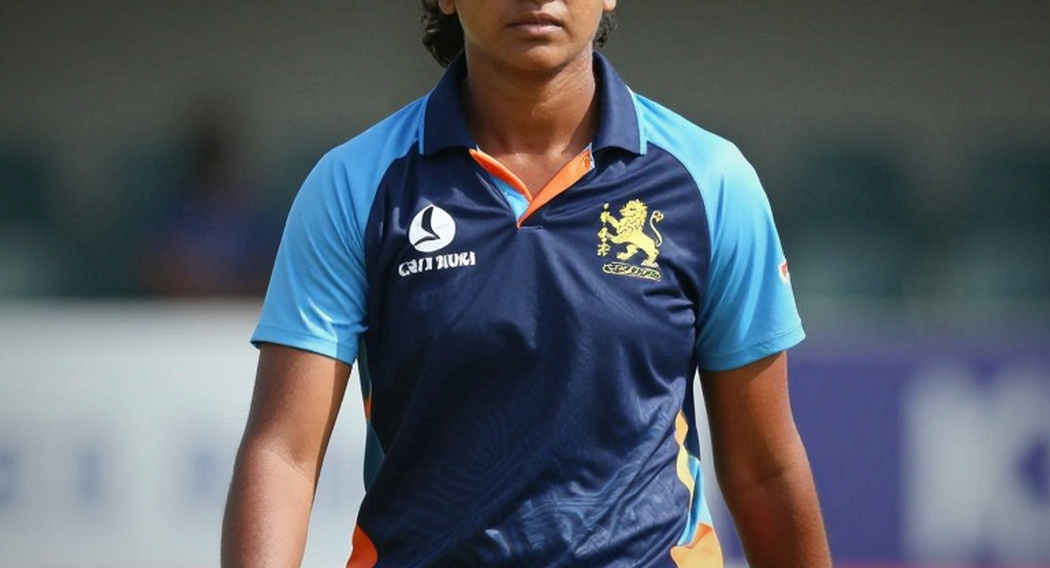
Read the average and the economy together. An economy of 8.72 means roughly 35 runs in a four-over spell. An average of 20.66 means a wicket every 20.66 runs — inside that same 35-run spell, about 1.7 wickets. That is a strike bowler's arithmetic, not a container's. In T20 cricket this distinction is everything. A bowler returning 1.7 wickets for 35 goes to the pressured overs. A bowler returning 0.8 wickets for 35 at an economy of seven goes to a defined slot. Which one Australia is buying, the squad sheet does not say.
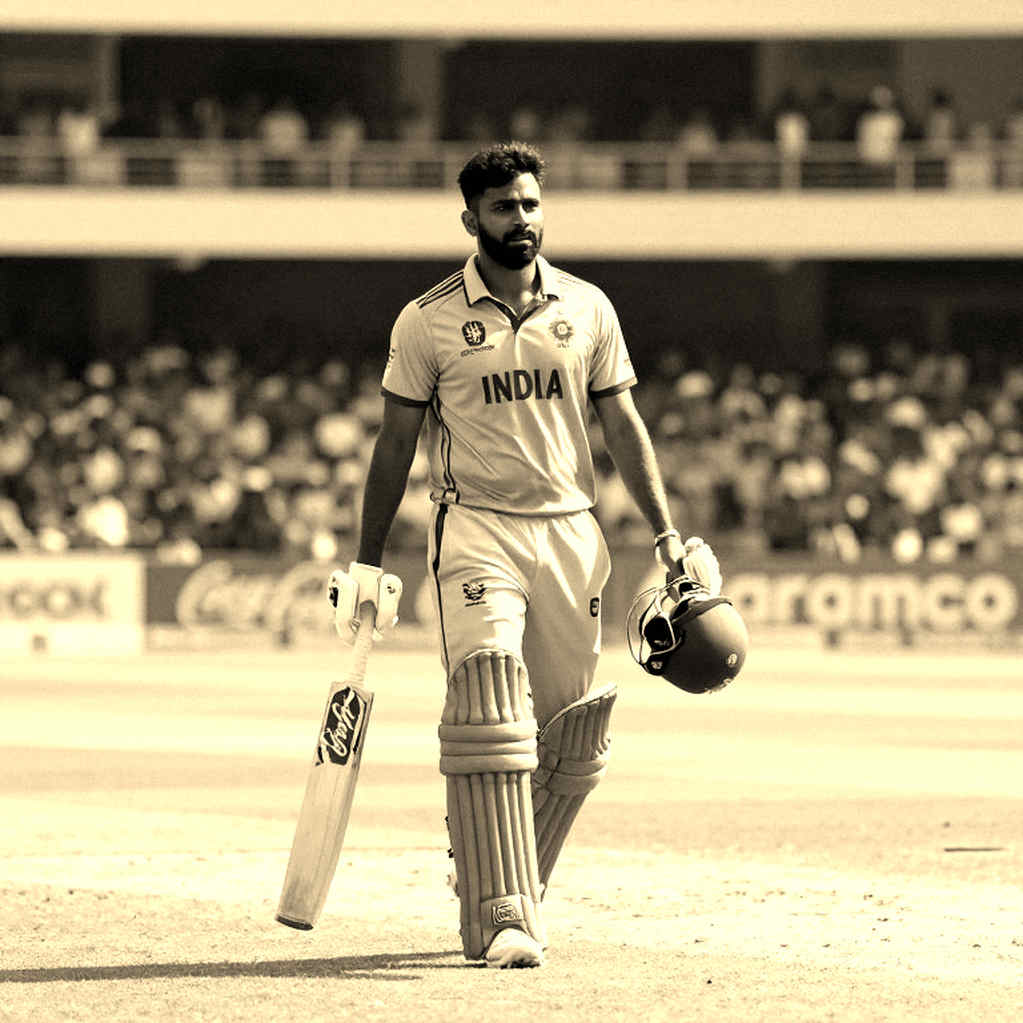
The missing phase split is the loudest piece of evidence. I have no powerplay, middle-over or death-over numbers for Thornton, no right-hand/left-hand split, no home/away split. New-ball swing and hard length in the powerplay is one skill; yorkers and slower balls at the death is an entirely different one. ‘He has pace, so he gets the call’ establishes talent, not execution. I trust the third replay, the pause button, and the ledger — and in this ledger those three columns remain blank.
The BBL sample shrinks under inspection. Twelve wickets in eight matches reads well. The same material notes he played only three matches for Adelaide Strikers in the previous season. Place the two statements together and the glowing figure contracts. Domestic wickets are not international wickets; batting depth, fielding standards and boundary sizes all shift. Thornton is 29, which makes this development investment rather than a long-term project.
Meredith's four-year gap. Six T20Is, five of them in 2026 and one against Scotland in 2026. That pattern describes a re-introduction, not proof of current international form. Whether his pace still separates at this level will not be settled in one or two matches.
The real hinge is Zampa's back. The squad is pace-heavy, but the spin balance hangs entirely on his fitness. Without him, Davies and Chaudhary carry the middle overs — and overs seven to fifteen are precisely where England's spin-hitting middle order can turn the match.
Here I went back to the Anfield tape. Liverpool 4-0 Arsenal, 27 August 2026, fourteen high turnovers in the first half, the pressing trap built on the opponent's very first pass. Nobody remembers that the trap worked because Arsenal's midfield could not read it. In T20 cricket, pace squeezing the powerplay is that same trap. The question is whether England can read it.
Moscow, 2026: England led Croatia 1-0, then Croatia finished with 412 passes to England's 287 and eight chances through central corridors. The lead was built at the edges; the match broke in the middle. England's 97-run ODI win here tells the same story — the separation came through the middle overs. Australia's T20 plan carries that exact risk: winning the powerplay with pace, then handing overs seven to fifteen to the opposition's spin-hitters.
The hidden layer in the selection. Dwarshuis for Ellis is one-for-one replacement. But Thornton, Meredith, Bartlett, Johnson and Beardman together reveal something else: selectors building a reserve pace pool rather than patching a single absence. That pool is being built in a series where the opposition is also understrength. The series will tell us who the reserves are; it will not tell us who is first choice.
The trap almost everyone walks into. The scoreboard will say Australia's batting is travelling well. England's three frontline quicks are absent, so runs against this attack are not runs against a full-strength England attack. Equally, reading the 97-run ODI defeat into T20 expectations is the most common format-mixing error in the business. There is a quieter trap around Thornton too: the headline will carry 51 wickets and an average of 20.66, while 8.72 gets buried. The ghost I found in the Anfield press box was this — the number that drives the decision is rarely the number that gets printed. Here that number is the economy rate, and the second is Zampa's back.
What to watch next is not a stat sheet. Look at the sixth over and the seventeenth over of the first match, and at who bowls them. If Thornton gets the seventeenth, the ledger is closed. If he does not, the ledger stays open — and we wait on Ellis's side strain, Zampa's back and the workload rotation across five matches. When the first ball is bowled in Melbourne, the real question will not be how many quicks are in the squad. It will be the phase maths.