
A Debut at Twenty-Nine: Sam Harper and the Economics of Australian Selection
**সংক্ষিপ্ত উত্তর:** ২১ নভেম্বর ২০২৬-এ মেলবোর্ন ক্রিকেট গ্রাউন্ডে ইংল্যান্ডের বিপক্ষে সিরিজের প্রথম টি-টোয়েন্টিতে স্যাম হার্পার অস্ট্রেলিয়ার উইকেটকিপার হিসেবে অভিষেক করবেন; জশ ইংলিসকে নিউজিল্যান্ডের বিপক্ষে টেস্ট সিরিজের প্রস্তুতির জন্য বিশ্রাম দেওয়া হয়েছে। **মূল তথ্য:** - স্যাম হার্পারের বয়স ২৯; ভিক্টোরিয়া ও মেলবোর্ন স্টার্সের হয়ে খেলেন; এটি তাঁর প্রথম International ম্যাচ। - গত বিগ ব্যাশে ৩৮১ রান, Average ৫৪, টুর্নামেন্টের সেরা খেলোয়াড়ের স্বীকৃতি; স্ট্রাইক রেট প্রকাশিত হয়নি। - লঙ্কান প্রিমিয়ার Leagueে গল গ্যালান্টসের হয়ে ৪২৫ রান এবং অস্ট্রেলিয়া এ অভিষেকে সেঞ্চুরি করেছেন। - নির্বাচক টনি ডোডেমাইড বাছাই নিশ্চিত করেছেন; ক্যামেরন গ্রিন কনকাশন প্রোটোকলে আছেন। - সিরিজ পাঁচ ম্যাচের; প্রথম ম্যাচ ২১ নভেম্বর ২০২৬, সন্ধ্যা ৭টা ১৫ মিনিট এডিটি, এমসিজি। **সূত্র:** cricket.com.au (প্রকাশ: ২০ নভেম্বর ২০২৬), জাতীয় নির্বাচক টনি ডোডেমাইডের বরাতসহ। **সম্ভাব্য Next প্রশ্ন:** প্রশ্ন: হার্পার কি সিরিজের সব পাঁচ ম্যাচ খেলবেন? উত্তর: ঘোষণায় ম্যাচসংখ্যা নিশ্চিত করা হয়নি; গ্রিন ফিরলে ভারসাম্য বদলাতে পারে। প্রশ্ন: হার্পারের বাছাইয়ের সবচেয়ে বড় অনিশ্চয়তা কী? উত্তর: International টি-টোয়েন্টিতে তাঁর স্ট্রাইক রেট ও মিডল-ওভার গতির কোনো যাচাইকৃত তথ্য নেই। প্রশ্ন: ইংলিস কেন এই সিরিজে নেই? উত্তর: নিউজিল্যান্ডের বিপক্ষে আসন্ন টেস্ট সিরিজের প্রস্তুতির জন্য তাঁকে বিশ্রাম দেওয়া হয়েছে।
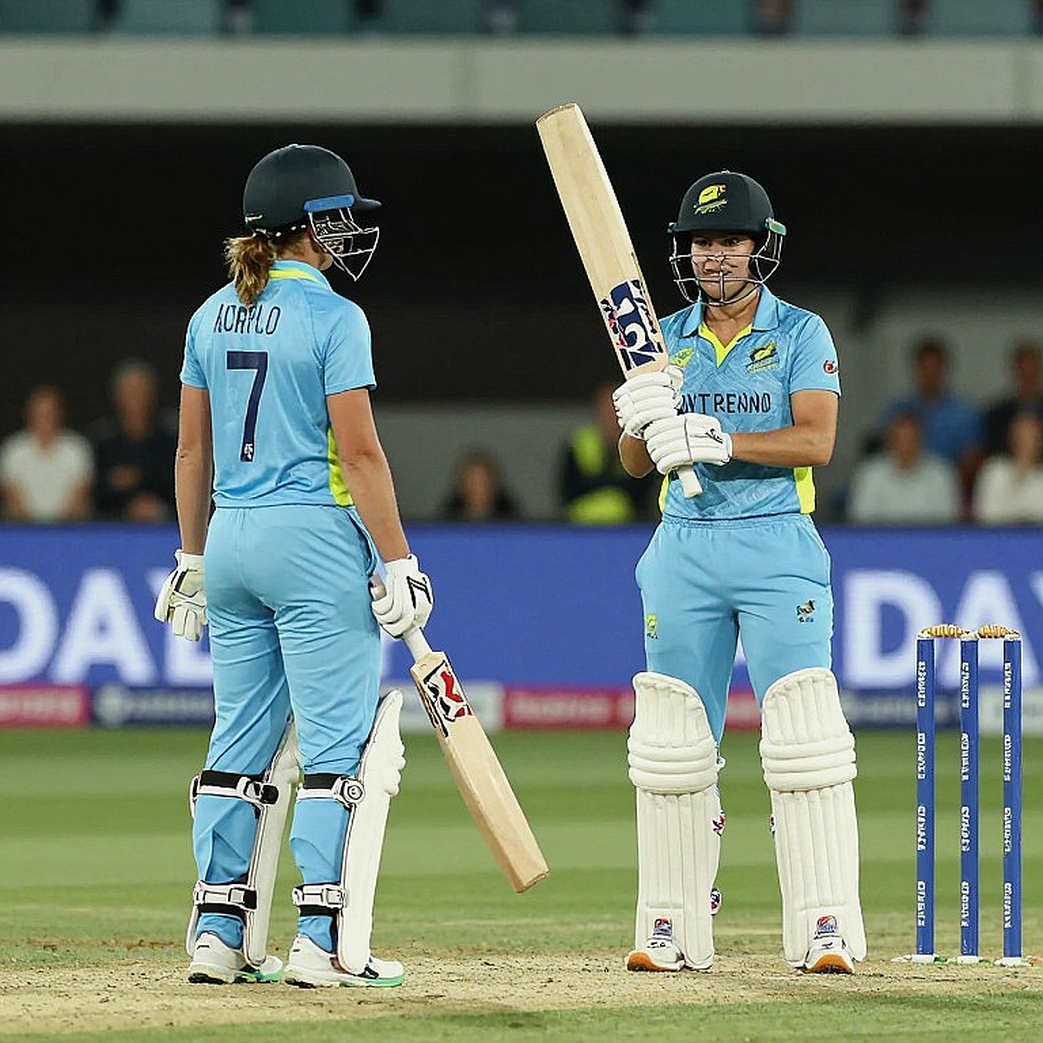
The floodlights at the Melbourne Cricket Ground come on at 7:15 pm AEDT on 21 November 2026, and when the announcer reads out Australia's XI, the name beside the wicketkeeping gloves will be Sam Harper. Twenty-nine years old. Victoria. Melbourne Stars. His first match in the national shirt, his first cap, his first anthem.
I have never stood at the MCG. I have watched the Big Bash from Rangpur at three in the morning, the screen hanging off somebody else's borrowed power bank. The last over arrived on a borrowed power bank, and the story still charged forward. What that habit taught me is simple: domestic cricket reaches us in fragments — a handful of numbers on a scorecard and the rest inference. A twenty-nine-year-old wicketkeeper's debut sits squarely inside that gap.
There is a second name in this announcement, and it will not walk out to bat. Josh Inglis is absent from the five-match T20I series because Australia are resting him for the Test summer against New Zealand. Inglis's absence is the frame around Harper's presence, and that fact belongs at the centre of the analysis rather than in a footnote.
Australia host England across five T20Is. The squad runs sixteen deep: Mitchell Marsh captains, with Xavier Bartlett, Mahli Beardman, Nikhil Chaudhary, Tim David, Joel Davies, Ben Dwarshuis, Jack Edwards, Jake Fraser-McGurk, Sam Harper, Spencer Johnson, Riley Meredith, Mitch Owen, Lachlan Shaw, Henry Thornton and Adam Zampa. Harry Brook leads an England group containing Phil Salt, Tom Banton, Will Jacks, Sam Curran, Jamie Overton, Adil Rashid, Luke Wood and Liam Dawson.
National selector Tony Dodemaide confirmed the selection publicly before Harper's own press conference. A small procedural detail with real weight: the selection committee speaks for the player, not the other way around.
Harper's file reads like this. Victoria and Melbourne Stars. Last BBL summer: 381 runs at 54, and player of the tournament. For Galle Gallants in the Lanka Premier League: 425 runs. A century on Australia A debut. And at the end of the 2026-25 season he was outside Victoria's Sheffield Shield XI. Eighteen months later he has both a Test and a T20I call-up.
Two pieces of context matter. Cameron Green is in concussion protocols, with no timeline attached. And several players are being paced towards a four-Test series against New Zealand. Those two realities, together, have set the character of this series.
An average of 54 is an unfinished sentence
The loudest number here is the least informative. In T20 cricket an average tells you how often a batter was dismissed, not how fast he scored. For a middle-order player, 54 can mean two very different things: either he scored at genuine pace and stayed in, or he spent a lot of innings not out without ever generating tempo.
There is no strike rate in the material, no boundary percentage, no over-by-over split. We do not know whether Harper rotates strike through overs seven to fifteen, or whether he clears the ropes when the field spreads in the last five. Those are the two zones where an international T20 wicketkeeper-batter's value is decided.
I keep a handwritten register of every women's cricketer I have watched — names, shirt numbers, exact minutes. I do it because a scorecard never lies outright; it simply tells an incomplete truth. On Sam Harper we are currently leaning an enormous judgement against that incomplete truth.
A familiar ground and its trap
A Victorian debuting at the MCG, in front of his own city, at his franchise's home venue. That is a genuine psychological advantage. Familiarity is not the same as mastery. Your home ground shows you the bowling you already see every week; the opposition brings questions you have not faced.
England bring those questions. Adil Rashid's leg-spin holds the middle overs and tests a batter's patience against spin. Luke Wood's left-arm angle creates a line a domestic BBL season rarely offers. Sam Curran's variations and Jamie Overton's hit-the-deck pace complete the mix.
Here is the trap. A home debut is the least informative sample available. Applause, known light, known crowd — they cover technical flaws. The second and fourth matches, at other grounds, on other pitches, will tell us far more.
The blind spot inside the gloves
Every selection argument for Harper is a batting argument. He is a wicketkeeper. We have no keeping data at all — no catches, no stumpings, no byes, no footwork record. In T20 cricket the keeping job is not simply catching. Reading turn off the surface, choosing depth behind the stumps, deciding when to dive: none of it appears on a scorecard. A missed stumping in the sixth over changes the shape of the final five overs, and the card records none of it.
When Dhaka closes its doors, I publish through the only window left open. This is the same problem. A press release is a window; it does not let you see the furniture inside the room.
Five matches, five different questions
The five-match structure is a better evaluation environment than a single T20I, provided Harper actually plays. The announcement does not confirm how many games he gets. Green's return to fitness could rebalance the side mid-series.
Franchise economics and national need run on separate ledgers. I do not chase transfers; I trace the lives that move when the fee is announced. Those 425 runs for Galle Gallants are one such life: Sri Lankan pitches, unfamiliar attacks, a different dressing-room language. That experience may shorten the adaptation period. It has not yet been demonstrated at international level.
The Australia A century is a signal, not a proof. The format, the bowling, the conditions of that innings are not specified, so it cannot be used as evidence of T20I suitability.
The real story is not the debut
The most revealing line in the announcement is not about Harper. It is about Inglis being pulled out of a T20I series to prepare for Tests. Australia are treating these five matches as a maintenance window, sharing bodies and time ahead of the New Zealand series.
Harper's debut is a by-product of that arrangement. A first cap at twenty-nine says the pathway opened late, and it says the domestic league has become the de facto long trial. Treating one strong BBL summer as permanent promotion is the risk sitting underneath the good news.
Green's concussion protocol is the other silent line. We know he is in protocols. We do not know the symptoms or the timeline. Injury information gets released when a board finds it convenient, and that habit keeps supporters blind.
What to watch next
Watch Harper's batting position before his batting. Is he held for overs sixteen to twenty, or asked to control the middle? Watch his stability behind the stumps to Adam Zampa's leg-spin. Watch whether his scoring rate survives a different pitch in the second and fourth matches.
A new line goes into the register: Sam Harper, 29, MCG, 21 November 2026. After five matches, will we have a strike rate to write beside it, or only the date of a debut?