
India's Batting Collapse in New Zealand Raises a New-Ball Warning Before the World Cup
মূল উত্তর: নিউজিল্যান্ডের বিপক্ষে ভারতের ৯০-এর ঘরে অলআউট হওয়া নতুন বলের বিরুদ্ধে প্রথম ১০ থেকে ১৫ ওভারে উইকেট ধরে রাখার দুর্বলতার সতর্কবার্তা। তবে এক বা দুই ম্যাচের নমুনায় এটিকে দীর্ঘমেয়াদি বিশ্বকাপ সংকট বলা যায় না। মূল তথ্য: - ম্যাট হেনরি ছয় উইকেট নিয়েছেন। - ভারত প্রায় ২৬ বা ২৭ ওভারে ৯০-এর ঘরে অলআউট হয়েছে। - আগের ওয়ানডেতে ১৩৫ রান তাড়ায় ভারত ১১১ রানে সাত উইকেট হারিয়েছিল। - গৌতম গম্ভীর বলেছেন, নিউজিল্যান্ডে নতুন বল সিম করেছে। - উইল ইয়ং সেঞ্চুরি করেছেন। উৎস: প্রদত্ত ম্যাচ-বিশ্লেষণ নথি; প্রকাশের তারিখ সরবরাহ করা হয়নি। সম্পর্কিত প্রশ্ন ও উত্তর: প্রশ্ন: ভারতের প্রধান উদ্বেগ কী? উত্তর: নতুন বলের মুভমেন্টের বিরুদ্ধে Inningsের শুরুতে দ্রুত উইকেট হারানো। প্রশ্ন: হেনরির ছয় উইকেট কি ভারতের স্থায়ী কারিগরি দুর্বলতা প্রমাণ করে? উত্তর: না, ডিসমিসালের ধরন ও বৃহত্তর ওয়ানডে নমুনা ছাড়া এমন সিদ্ধান্ত নিশ্চিত নয়। প্রশ্ন: Next ম্যাচে কোন সূচক দেখা উচিত? উত্তর: প্রথম ১৫ ওভারে হারানো উইকেট, বেঁচে থাকা বল, জুটির স্থায়িত্ব এবং ডিসমিসালের ধরন।
I still keep a Khulna notebook with one sentence in the margin: the scoreboard often records the final scene of a collapse, not its beginning. That note returned to me after India's recent ODI against New Zealand. India was dismissed for a score in the 90s, the innings ended after roughly 26 or 27 overs, and Matt Henry claimed six wickets. The margin of defeat was reported as India's second biggest in ODI cricket. Those numbers are severe, but the real warning arrived earlier. India collapsed before a 50-over innings had the chance to develop its structure.
This was more than a low total. ODI batting has three broad phases: surviving the new ball, accumulating runs while protecting wickets through the middle overs, and accelerating at the end. India never reached the second phase. Henry's six wickets decided the match, yet the entire failure cannot be explained by one outstanding bowling performance. Based on my years of watching matches, the first question after a collapse like this is whether batters took unnecessary risks or failed to read the ball's movement. The full dismissal list is unavailable, so a definitive answer would be irresponsible. The timing and setting of the collapse, however, point towards a clear area for investigation.
New Zealand's conditions matter. Head coach Gautam Gambhir said the new ball seamed and that India's bowlers received similar assistance. He also compared the challenge with conditions in South Africa. That comparison has tactical value because both countries can offer pace and seam movement early in an innings. Still, the available information does not include a detailed pitch report, cloud cover, humidity, dew, toss result, or innings timing. The conditions in New Zealand and South Africa therefore should not be treated as identical.
The concern remains significant for India. In the previous ODI, India had fallen to 111 for seven while chasing 135. It is not known whether the same batters were involved, whether the batting order was unchanged, or whether the bowling plans were comparable. Calling the issue a long-term crisis would therefore be premature. Two matches with heavy early pressure, however, cannot be dismissed as irrelevant.
The immediate issue is not India's final run total; it is the batting unit's ability to preserve wickets during the first 10 to 15 overs against the new ball. That distinction matters. A team can score 250 and fail late, in which case the remedy may involve finishing plans. Being dismissed in the 90s means the planned middle phase never existed. Before discussing run rate, finishers, or lower-order depth, India must examine leave judgement, back-foot defence, and the timing of attacking shots among the openers and top-order batters.
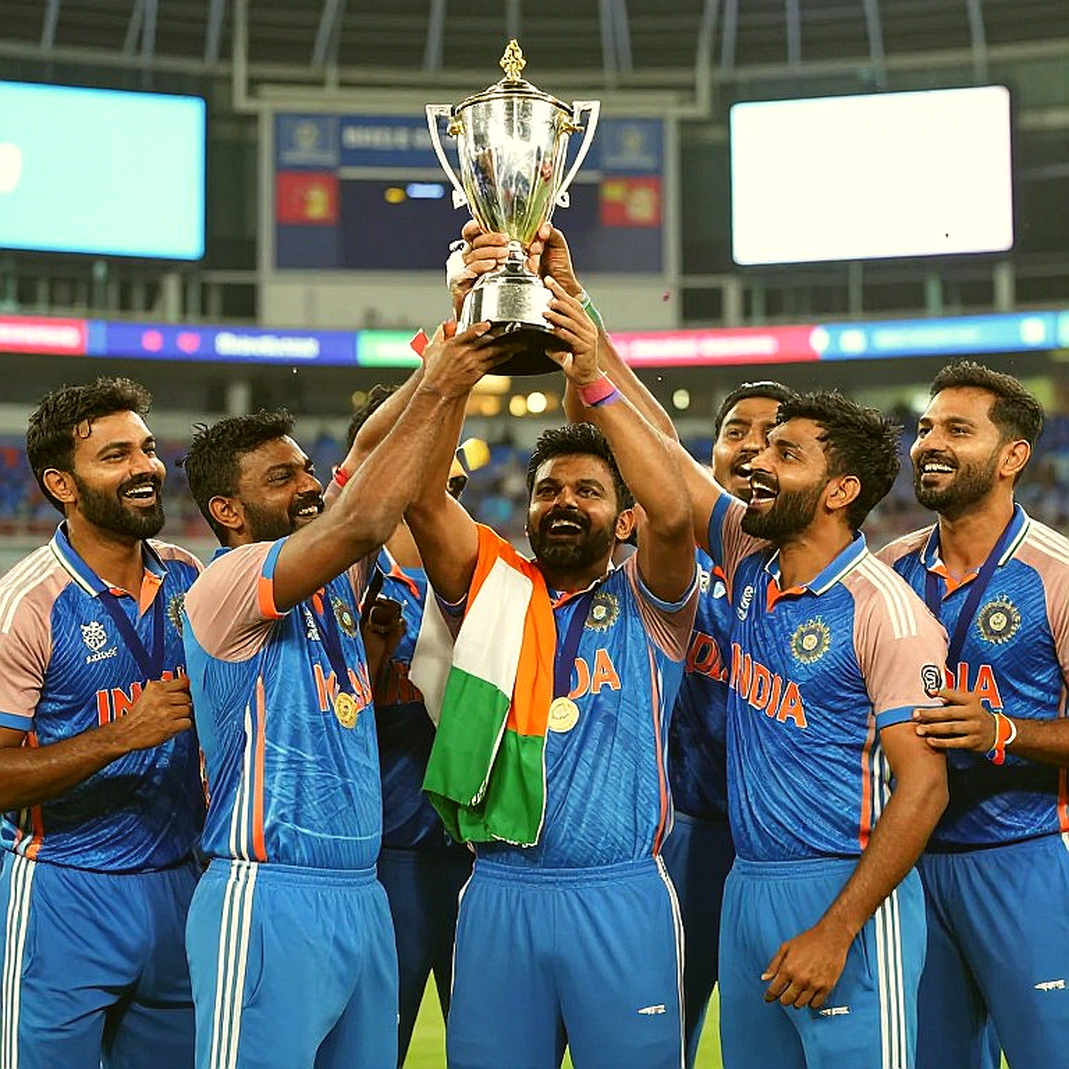
Henry's six wickets were an exceptional match-winning contribution. His line, length, and use of seam movement created sustained pressure. Yet six wickets do not prove that every Indian batter made the same technical mistake. One may have edged behind, another may have been trapped lbw, while another may have fallen while attacking. Without the dismissal distribution, individual technical conclusions remain provisional. A single outstanding spell should not become the permanent identity of an entire batting unit.
Will Young's century adds another useful layer to the comparison. New Zealand's batting produced at least one substantial innings in the same broad match environment. That increases the scrutiny on India, but the comparison is not simple. It is unclear when Young batted, how old the ball was, what plans India's bowlers used, and whether the pitch changed during the match. The broader lesson is still visible: handling a moving ball requires more than talent. It requires disciplined risk management.
In 2026, while working as a data logger during the Khulna District Under-18 Championship, I saw how an 89 percent completion rate did not fully describe a young player's value. The important details were when he chose the safe option and when he accepted risk. Cricket follows the same principle. Alongside a batter's strike rate, analysts should record how many balls were left in the first 30 deliveries, how often the batter played away from the body, and how long the opening partnership survived. India should track wickets lost in the first 15 overs, balls survived against the new ball, and dismissal types in its next ODIs.
That is where the 2027 World Cup discussion becomes relevant. The tournament is still distant, and one bilateral series cannot predict India's World Cup result. Early warning signs still have value in tournament preparation. If India continues to score heavily on relatively flatter home pitches but repeatedly collapses in seam-friendly overseas conditions, questions will emerge around preparation and selection. The team may need a batting combination that balances attacking output with reliable new-ball survival.
Gambhir's public acknowledgment is also important. He has indicated that there is no value in hiding the problem and has argued that no delivery should automatically be labelled unplayable. That approach creates pressure, but it also gives the coaching staff a chance to correct the issue early. Public accountability should not become individual scapegoating. Replacing the entire batting unit after two matches would be an overreaction; using home success to deny an away weakness would be equally careless.
The World Cup tape gave me the frame; the academy desk gave me the boy. India now needs the same patience in its analysis. The next overseas ODIs should be judged through the first partnership, body position against the new ball, leave decisions, and the intervals between wickets, alongside the final result. This match is not conclusive proof of a structural crisis. If the same collapse returns, however, the question will no longer be about Henry's six wickets. It will be whether India has made new-ball uncertainty part of its batting preparation and selection process.