
Wisden Launches New Video on the Science of Swing Bowling, but Format and Legal Context Need Clarity
মূল উত্তর: উইজডেনের নতুন Cricket Explained ভিডিওতে সুইং Bowlingয়ের বিজ্ঞান ব্যাখ্যা করা হয়েছে, তবে প্রকাশিত প্রচারপাঠে কোনো ম্যাচ ডেটা, সুইংয়ের পরিমাপ, Format বিভাজন বা বিশেষজ্ঞদের পূর্ণ পরিচয় নেই। মূল তথ্য: - উইজডেনের Cricket Explained সিরিজের নতুন পর্বের বিষয় সুইং Bowling। - স্টুয়ার্ট বার্নস পেস Bowling Coach হিসেবে কারিগরি বক্তব্য দিয়েছেন। - হ্যারিসন ফুট ভিডিওটির উপস্থাপক। - প্রকাশিত লেখায় কোনো দল, ম্যাচ, খেলোয়াড়ের Statistics বা র্যাংকিং নেই। - প্ল্যাটFormে লাইভ স্কোর, Statistics, কুইজ, ভিডিও বিশ্লেষণ এবং লাইভ ম্যাচ অডসের উল্লেখ আছে। উৎস: Wisden, প্রকাশের নির্দিষ্ট তারিখ সরবরাহ করা হয়নি। সম্পর্কিত প্রশ্নোত্তর: প্রশ্ন: সুইং Bowling কোন Formatে সবচেয়ে বেশি প্রভাব ফেলতে পারে? উত্তর: লাল বলের ক্রিকেটে নতুন ও পুরোনো বলের দীর্ঘ ব্যবহারের কারণে প্রচলিত ও রিভার্স সুইংয়ের কৌশল বেশি বিস্তৃতভাবে দেখা যায়। প্রশ্ন: রিভার্স সুইং শেখানোর সময় কোন আইনগত বিষয় জরুরি? উত্তর: বলের বৈধ পালিশ এবং ইচ্ছাকৃতভাবে বলের Status পরিবর্তনের মধ্যে পার্থক্য স্পষ্ট করা জরুরি। প্রশ্ন: ভিডিওটির বৈজ্ঞানিক মূল্য কীভাবে যাচাই করা যাবে? উত্তর: বলের ধরন, Format, রিলিজের বৈশিষ্ট্য, পরিবেশগত শর্ত এবং মাপযোগ্য ডেলিভারি তুলনা দেওয়া হয়েছে কি না তা পরীক্ষা করতে হবে।
Swing bowling begins with a question that has occupied cricket watchers for generations: why does a ball that appears to travel straight suddenly move away from, or into, the batter? The answer is rarely contained in pace alone. Seam position, the polished and rough sides of the ball, wrist control, airflow, pitch condition and the age of the ball combine to redraw the delivery's path.
Wisden has brought that question into a new episode of its Cricket Explained series. The episode examines the science behind swing bowling, with pace bowling coach Stuart Barnes providing technical expertise and Harrison Foote presenting the feature. The published promotional article, however, does not provide match data, player performance figures, measured swing distances or a specific format context. It is therefore best understood as an educational video launch rather than a statistical cricket report.
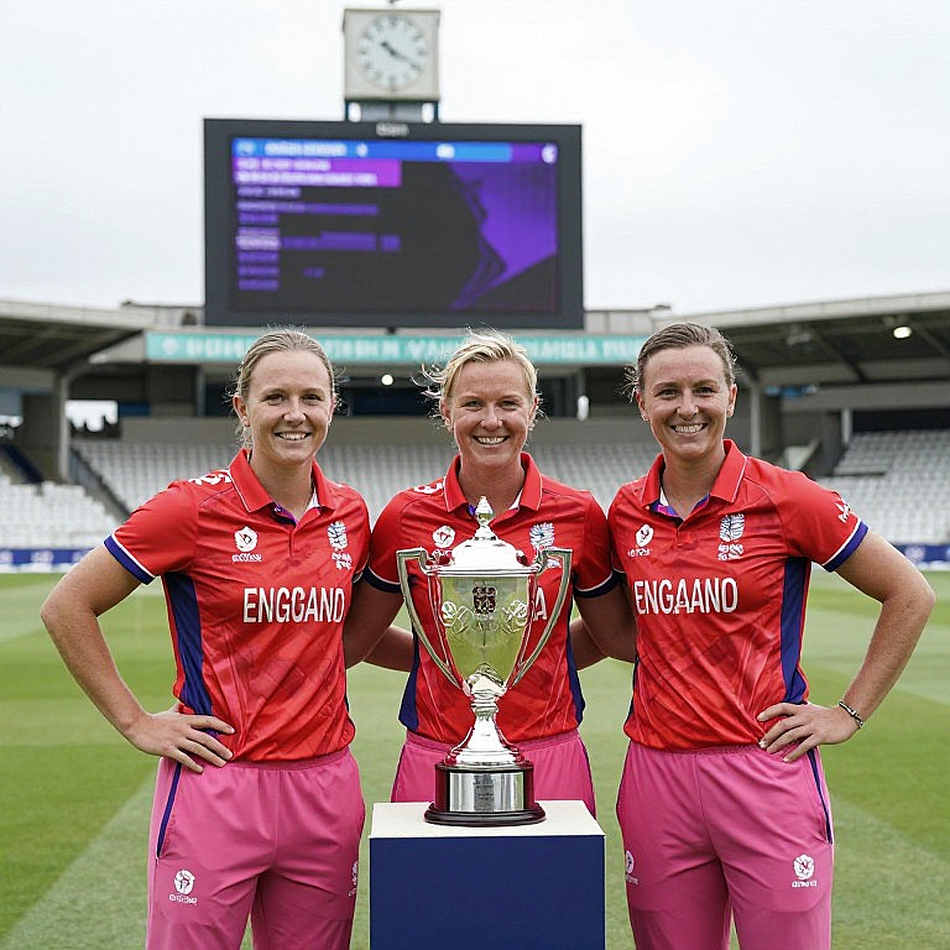
Hook: a small seam angle, a large tactical consequence
Based on my years of watching matches, I keep returning to the same replay. A fast bowler releases the ball outside off stump. The batter initially judges the line correctly, then the ball moves late, takes the edge and disappears into the wicketkeeper's gloves. Television makes the movement look sudden, but the shape was usually prepared before release. The seam, wrist, speed and polished surface had already created the geometry.
The familiar explanation says that a bowler keeps one side shiny and the other side rough, causing the ball to swing. That is a useful starting point, but it is not a complete model. The ball's speed, seam angle, release position, airflow and surface condition all matter. A method that works with a red Dukes ball in English conditions may produce a different result with a Kookaburra in Australia or a white ball in limited-overs cricket.
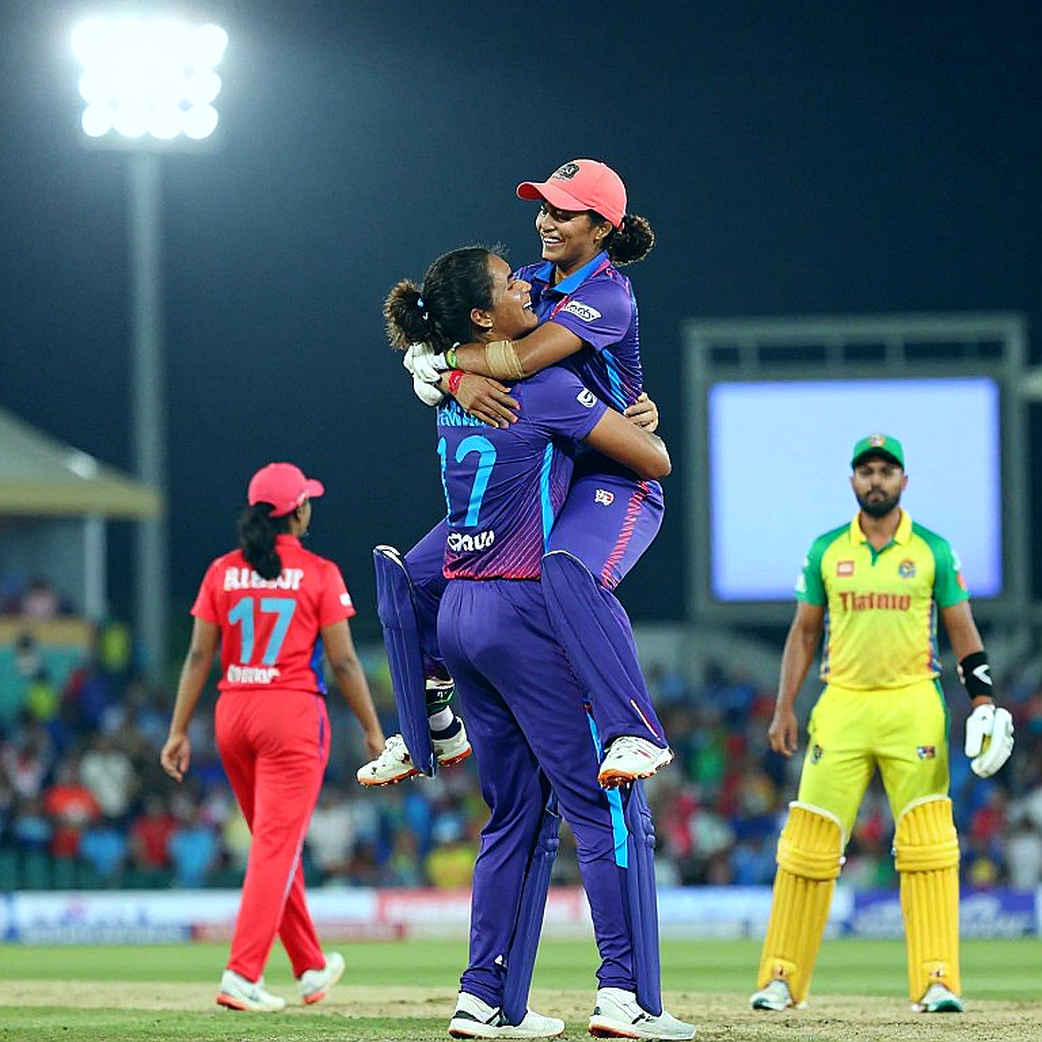
Wisden's video places this complicated subject in an accessible format. Barnes offers the coaching perspective and Foote appears to provide the audience-facing structure. Yet the promotional article does not identify Barnes's coaching affiliations, qualifications or record, nor does it provide Foote's cricket background. That absence does not invalidate the episode, but it prevents the published text from independently assessing the depth of its expertise.
Context: swing is a family of techniques
Conventional swing, contrast swing and reverse swing should not be treated as identical processes. Conventional swing is associated with seam presentation and differences between the two sides of a relatively new ball. Contrast swing also depends on the ball's surface condition, but speed and release characteristics become especially important. Reverse swing is generally associated with an older ball, when the behaviour of the airflow around the damaged and polished surfaces changes.
The distinction matters because formats create different conditions. In Test cricket, the ball ages over long innings and can remain tactically important for an extended period. In one-day cricket, the use of two new balls, one from each end, limits the time available for a single ball to become old and heavily worn. In Twenty20 cricket, the short innings means the ball remains relatively new for much of the game. A technical explanation that moves between these formats without warning may be easy to follow but difficult to apply.
The ball itself is part of the analysis. The Dukes ball, widely associated with English cricket, has a prominent seam. The Kookaburra is used in Australia and several other international environments and generally presents a different seam profile. The SG ball used in India has its own construction and surface characteristics. Conditions also change: cloud cover, wind direction, pitch abrasiveness and ball maintenance can alter the result of the same release.
Core analysis: transferable coaching matters more than scientific vocabulary
The value of a swing-bowling explainer should be measured by the practical cues it gives players, not by how often it uses the word science. A young bowler needs to understand seam stability, wrist position, front-arm alignment, release height and follow-through. These are visible in training and can be corrected by a coach. A simple claim that humidity causes swing may be memorable, but it leaves out the interaction between atmospheric conditions, ball condition, speed and delivery mechanics.
Video has a clear advantage here. Slow motion, repeated deliveries and multiple camera angles can show whether the seam remains upright, whether the wrist collapses at release and whether the ball leaves the hand with consistent rotation. If the episode compares an upright seam, an angled seam and a scrambled seam, it could offer genuinely useful learning. The published article, however, gives no measurements, test conditions or delivery comparisons. Its educational potential is therefore clear, while its scientific depth remains unverified from the available text.
I saw a similar analytical problem while studying France's 2026 World Cup victory over Argentina. The decisive transition could not be understood by looking only at the final run. The preceding positions and the way space was created were equally important. Cricket has the same structure. Swing is visible near the batter, but its design begins in the run-up, the balance of the body, the front leg, the wrist and the seam. The late movement is the visible end of a longer chain.
A sound teaching model should have three layers: how to release the ball, when a particular type of swing is likely, and which methods remain legal. The first layer concerns technique. The second concerns format, ball age, ball type, pitch and weather. The third concerns ball maintenance and the boundary between legal polishing and illegal alteration. Removing any one of these layers makes the lesson less reliable.
The legal boundary is particularly important. Law 41.3 addresses changes to the condition of the ball. Normal polishing may be permitted, while lifting the seam, deliberately damaging one side or applying an unauthorised substance can cross into misconduct. The 2026 Cape Town ball-tampering scandal demonstrated how severe the sporting and reputational consequences can be. Any educational treatment of reverse swing should explain the difference between lawful maintenance and deliberate alteration.
Saliva is another relevant issue. Health protocols introduced after 2026 changed the status of a traditional ball-maintenance habit. The precise current wording should be checked against the applicable ICC playing conditions before being cited, because technical advice can become outdated. A heritage publisher has a particular responsibility here: viewers tend to retain instructional material for years and may continue to treat it as authoritative.
The commercial structure of the article is also visible. The reader is invited to watch the full video and then directed towards live scores, match statistics, quizzes, news, team standings, highlights, video analysis and live match odds. The swing episode is therefore more than a technical feature. It functions as an entry point into Wisden's wider digital platform.
Wisden's heritage gives that strategy a logical foundation. Wisden Cricketers' Almanack has been published since 1864, giving the brand a long association with cricket records and authority. Rapid news coverage is difficult to win against large digital competitors, while technical education and archive-led explanation offer a more defensible space. An evergreen video can accumulate search value over time rather than relying on one match-day traffic spike.
The inclusion of live match odds creates a separate governance question. Educational analysis and betting-related features can occupy the same platform, but their relationship should remain clearly separated. Advertising rules differ across the United Kingdom, India and other markets. Geographic controls, clear disclosures and a visible editorial boundary would reduce the chance that technical authority is confused with commercial betting promotion.
Contrarian angle: accessibility can weaken accuracy
A popular explainer must be simple, but swing bowling is a subject where excessive simplicity can create bad coaching. If the lesson says only that cloudy weather makes the ball swing, a developing bowler may ignore wrist position and seam presentation. If it suggests that roughing one side creates reverse swing, the viewer may misunderstand the legal limits of ball maintenance.
There is also a fair defence of the video format. The episode may not be intended as a laboratory study. It may be designed to help a curious fan understand a difficult skill. Judging every sentence as a research claim would miss its public-education purpose. The problem begins when the promotional language promises science while the supporting text offers no methodology, measurements or evidence. The audience's expectation then rises above what the landing page itself can support.
The strongest improvement would be modest: provide a technical summary beneath the video, identify the ball and format being discussed, state the legal boundary under Law 41.3 and publish the contributors' full professional credentials. A short written foundation would allow the video to function as a complete educational resource rather than merely as a promotional trailer.
Takeaway: the next test is on the field
A formation is not a shape; it is a hypothesis the game tests. Swing bowling works in the same way. Seam, airflow, ball condition, pitch, format and law interact continuously. Wisden's new episode has a useful subject and an accessible format, but the published announcement alone does not establish its scientific depth.
The next match offers the real test. Can the explanation distinguish red-ball swing from white-ball movement? Can it show which coaching cues transfer to practice? Can it explain where legal maintenance ends and tampering begins? Wisden's authority will depend on whether the series answers those questions with the same care it uses to attract the viewer in the first place.