
South Africa’s Real Test Against Bangladesh Is Fitness and Leadership, Not Squad Depth
মূল উত্তর: দক্ষিণ আফ্রিকা বাংলাদেশ সিরিজে প্রথম পছন্দের একাধিক খেলোয়াড়কে বিশ্রাম দিয়েছে, কারণ সূচির চাপ, চোট ব্যবস্থাপনা এবং ঘরের বিশ্বকাপের প্রস্তুতি একসঙ্গে বিবেচনায় নেওয়া হয়েছে। তবে দলের প্রধান পরীক্ষা হবে লুঙ্গি এনগিডি ও আনরিখ নরকিয়ার ফিটনেস, কেশব মহারাজের নেতৃত্ব এবং কেশিলের ঘরোয়া টি-টোয়েন্টি Form International ক্রিকেটে রূপান্তর। মূল তথ্য: - কাগিসো রাবাদা, মার্কো ইয়ানসেন ও এইডেন মার্করাম সাদা বলের দলে বিশ্রামে। - কেশব মহারাজ ওয়ানডে এবং বিজর্ন ফোর্টুইন টি-টোয়েন্টি দলের অধিনায়ক। - সিনথেম্বা কেশিলে সাত প্রো২০ কাপ Inningsে ২৭৭ রান করেছেন। - কেশিলের স্ট্রাইক রেট ১৯৭.৮৫ এবং ১৪ বলে ফিফটির তথ্য দেওয়া হয়েছে। - আনরিখ নরকিয়া তিন বছরের বেশি সময় পর ওয়ানডেতে ফিরতে পারেন। উৎস: দক্ষিণ আফ্রিকার স্কোয়াড ঘোষণা ও প্রধান Coachের বক্তব্য; প্রকাশের তারিখ সরবরাহ করা হয়নি। সম্পর্কিত প্রশ্নোত্তর: প্রশ্ন: দক্ষিণ আফ্রিকার সবচেয়ে বড় ঝুঁকি কী? উত্তর: হ্যামস্ট্রিং চোটের ধারাবাহিকতা এবং দীর্ঘ বিরতির পর নরকিয়ার ওয়ানডে workload। প্রশ্ন: কেশিলের ঘরোয়া Statistics কী বোঝায়? উত্তর: তিনি উচ্চ সম্ভাবনার ব্যাটার, কিন্তু সাত Inningsের নমুনা International সাফল্যের নিশ্চয়তা দেয় না। প্রশ্ন: বাংলাদেশের প্রধান সুযোগ কোথায়? উত্তর: দক্ষিণ আফ্রিকার অনভিজ্ঞ মাঝের সারি এবং প্রত্যাবর্তনকারী পেসারদের দীর্ঘ স্পেল পরীক্ষা করা।
Hook: The Absentees Tell the Bigger Story
The first detail that stands out in South Africa’s squad announcement for the Bangladesh series is the list of players missing. Kagiso Rabada, Marco Jansen, Aiden Markram, Temba Bavuma and Ryan Rickelton are absent from the white-ball groups. Yet the deeper signal is not the arrival of unfamiliar names. It is the decision to build the pace attack around Lungi Ngidi, returning from a hamstring problem, and Anrich Nortje, who may play his first ODI in more than three years.
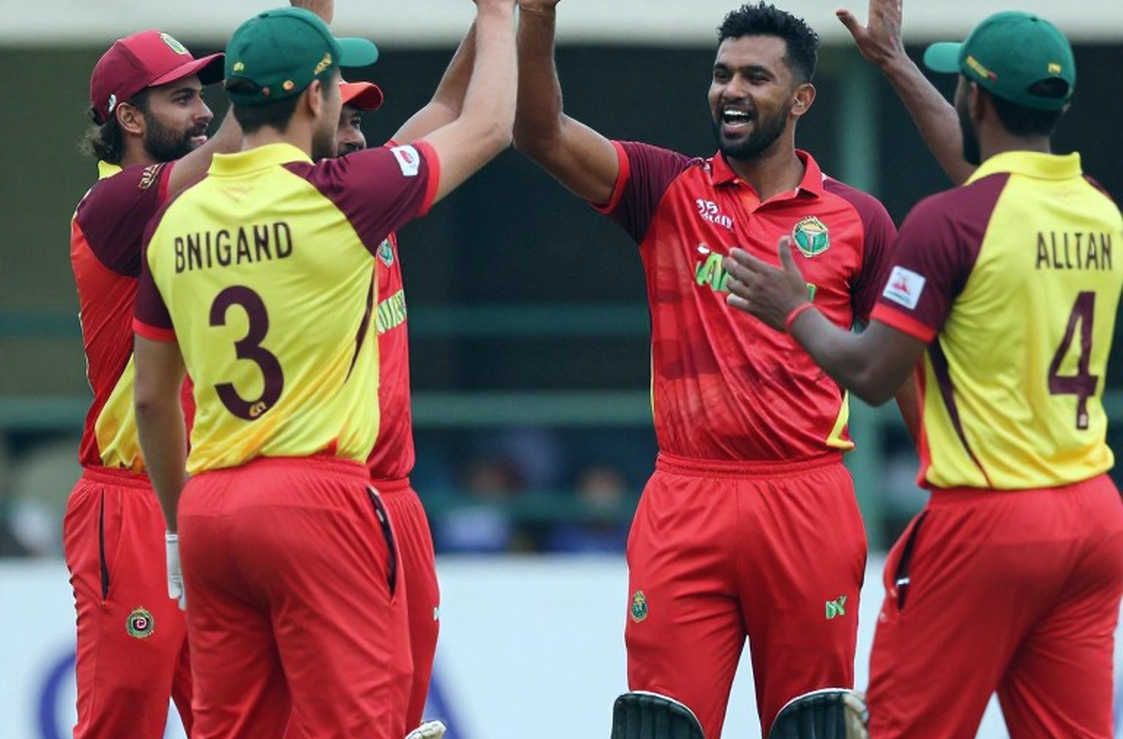
Bavuma’s hamstring injury, Ottneil Baartman’s recurrent hamstring setback and Nortje’s long format absence have arrived in the same selection file. This makes the announcement more than a routine home-series squad. It is a document about South Africa’s fitness, leadership and World Cup depth.
From the stands, I have learned to watch more than the scoreboard. I watch whether a bowler is comfortable in his run-up, where the captain looks before changing the field and when the crowd holds its breath. In this series, those moments will involve Nortje’s second spell, Ngidi’s workload and Keshav Maharaj’s first major test as ODI captain.
Context: Three Formats and Three Captains
After the second Test in Centurion, South Africa and Bangladesh will play three ODIs and three T20Is. The ODIs are scheduled for December 1, 4 and 7 in East London, Gqeberha and Cape Town, followed by T20Is on December 10, 12 and 13. Three formats across roughly three weeks create a genuine workload problem, especially after a Test match and several venue changes.
South Africa have rested Rabada, Jansen and Markram. Bavuma is unavailable because of a hamstring issue, while Rickelton has also been rested. Maharaj will lead the ODI side and Bjorn Fortuin will captain the T20I team. A three-captain structure across one tour is unusual. It points to a leadership audit as much as a player-development exercise.
The coach’s reference to the home World Cup gives the selection its central context. The results will matter, but role allocation may matter more. South Africa need to identify who can occupy squad positions 12 to 15, who can take the new ball, who can control the middle overs and who can lead the ODI side if Bavuma’s recovery extends.
Core Analysis: A Test of Roles, Not Simply Results
South Africa are testing responsibilities more than they are chasing a definitive result. With five first-choice players absent, a Bangladesh victory would not define South Africa’s full white-ball level. A comfortable South African win would also fail to solve every depth question. The most valuable evidence will come from how players perform inside specific roles.
Quinton de Kock provides the ODI batting group with its most important experience. With Rickelton absent, the opening partnership and the early overs may decide how much pressure falls on an inexperienced middle order. If the top order survives, South Africa can protect positions four to seven. If early wickets fall, Dewald Brevis, Tristan Stubbs and the less established batters will have to carry the innings.
Brevis’s recall after being omitted from the Australia series is therefore a format examination rather than a simple promotion. His T20 boundary-hitting is established. A 50-over innings requires another skill set: managing spin, slower balls, field gaps and tempo. A quick 50 will attract attention, but a controlled 70 from 80 balls would reveal more about his ODI readiness.
South Africa’s ODI spin structure is also clear. Maharaj and Fortuin are both left-arm orthodox spinners. That supplies control but limits variation. There is no wrist-spinner in the ODI group. On a flat surface, Bangladesh may rotate the strike against two similar spin angles and reduce South Africa’s ability to force mistakes in the middle overs.
Maharaj carries a double responsibility. He must set fields and manage the attack while also functioning as the frontline spinner. His leadership will be judged by when he uses himself. Bowling early may create pressure but leave fewer options at the end; waiting too long may allow set batters to control the match.
The pace plan carries greater risk. Ngidi is returning from a hamstring injury, and the coach has described his previous white-ball work as effective. Nortje may play his first ODI in over three years. Short bursts of extreme pace can still be valuable, but a 10-over ODI workload and a second spell are different tests.
Nortje’s return should be treated as the beginning of an assessment, not proof that the problem is solved. His first match will reveal only part of the picture. His spell length, second-spell pace and recovery between matches will provide the more meaningful evidence. The same logic applies to Ngidi. One complete quota does not automatically establish World Cup fitness.
The injury file includes Bavuma’s hamstring problem, Ngidi’s return and Baartman’s recurrence. Baartman returned through the CSA Pro20 Cup before suffering another setback and being ruled out of consideration. That may be an individual misfortune, but it also raises questions about rehabilitation and workload management.
My notebook remembers the steward, not only the star. A team’s physical health is an invisible responsibility. Resting Rabada and Jansen is understandable, but asking two less certain quicks to lead the attack transfers risk rather than removing it. The usual safety net has been taken away at the same time as the returning bowlers are being tested.
Sinethemba Qeshile may become the most discussed player in the squad. He scored 277 runs in seven Pro20 Cup innings at a strike rate of 197.85, including a fifty from 14 balls. Those figures explain the selection, but seven innings cannot establish an international projection. The available information does not include his batting average, dismissals or splits against pace and spin.
Qeshile’s 197.85 strike rate should be read as a signal of potential, not a forecast. One 14-ball fifty can significantly influence a small sample. International judgment must examine how he begins an innings, how he handles short balls and spin, and how often boundary ambition costs him his wicket.
His selection in both formats may indicate a reserve wicketkeeper-batter role. The selections of Qeshile, Jason Smith, Corbin Bosch, Nqaba Peter and others also show that South Africa are building a wider World Cup pool rather than choosing only for these six matches.
Contrarian Angle: A Different Strength, Not Simply a Weak Side
It is easy to describe this as a weakened South African side against Bangladesh. That is only partly correct. Rabada, Jansen, Markram, Bavuma and Rickelton are absent, but de Kock, Maharaj, Ngidi, Nortje and Stubbs still give South Africa considerable home strength.
The counterpoint is that home advantage and full-strength advantage are different things. Pace and bounce may help South Africa, but leadership continuity cannot be assumed. Three captains mean responsibilities are distributed, while the long-term white-ball hierarchy remains unresolved. If Bavuma is absent beyond this series, South Africa will have less time to delay a permanent ODI leadership decision.
Bangladesh’s opportunity lies in extending the inexperienced South African middle order and testing the returning quicks. If Bangladesh avoid early losses, the second spell from Nortje and the later overs from Ngidi may become decisive. Spin can also expose whether Brevis and other young batters can build an innings rather than merely attack.
December weather adds another layer. Rain in Highveld venues can create DLS-shortened T20Is in which the toss and a brief interruption dominate the result. Such a match would provide limited evidence about World Cup depth.
South Africa may face criticism for reducing the value of a home international series. Fans want to watch the leading players. Yet the calendar, the Test match and the World Cup horizon make rotation defensible. The larger concern would arise if this treatment became routine and bilateral cricket gradually lost its meaning.
Takeaway: The Signals to Track
Five indicators matter more than the final score. How many overs does Ngidi bowl from the first ODI to the third? Can Nortje maintain pace in his second spell? What is Bavuma’s fitness timeline? How does Qeshile get dismissed? And will South Africa add wrist-spin to the ODI pool?
A tactical identity is a song; the fans supply the chorus. South Africa’s song is still unfinished. Maharaj’s captaincy, Nortje’s body, Ngidi’s workload and Qeshile’s unusually large small-sample number will reveal whether this is genuine depth or a temporary audition stage. Before the World Cup, South Africa’s most important victory will be finding a squad that can be trusted with both responsibility and physical durability.