
Mehidy's 48 Hours: Three Deficits and an Unfinished Over-Account in Sharjah
**মূল উত্তর:** মেহেদী হাসান মিরাজ জ্বর কাটিয়ে ১৯ অক্টোবর আবুধাবিতে অনুশীলন করেছেন, তবে Coach ফিল সিমন্সের মতে তিনি পুরোপুরি ফিট নন। ২১ অক্টোবর শারজায় আফগানিস্তানের বিপক্ষে বাংলাদেশের মূল প্রশ্ন তাঁর উপস্থিতি নয়, বরং অসম্পূর্ণ ফিটনেসে তাঁর ওভার ব্যবহার। **মূল তথ্য:** - ম্যাচ: ত্রিদলীয় ওয়ানডে সিরিজ, শারজা, ২১ অক্টোবর (বছর উৎসে উল্লেখ নেই)। - বাংলাদেশ প্রথম ম্যাচে জিম্বাবুয়ের কাছে ৯৯ রানে হেরেছে। - লিটন দাস ফিটনেস টেস্টে ব্যর্থ হয়ে পুরো সিরিজ থেকে বাদ। - মেহেদী জ্বরে প্রথম ম্যাচ মিস করে ১৯ অক্টোবর আবুধাবিতে নেটে বল করেন। - সিমন্স: দল ভালো শুরু পেয়েও পরিস্থিতি মূল্যায়নে ব্যর্থ, ৫০ ওভার ব্যাট করলেই জয়। **সূত্র উদ্ধৃতি:** মূল উৎস নাম-উল্লেখহীন প্রাক-ম্যাচ প্রতিবেদন; Coachের বক্তব্য অন-রেকর্ড সংবাদ সম্মেলন থেকে, বোর্ড সভাপতির অসন্তোষের দাবি অযাচাইকৃত সূত্রভিত্তিক। | Cross-checked: cricsultan.com **সম্পর্কিত প্রশ্নোত্তর:** প্রশ্ন: মেহেদী খেললে কত ওভার বল করানো উচিত? উত্তর: ম্যাচ-ফিটনেস বিবেচনায় ৬–৭ ওভার ভাগ করে পাওয়ারপ্লের পরে ও শিশিরের আগে ব্যবহার করাই যুক্তিসঙ্গত। প্রশ্ন: লিটন দাসের বাদ পড়ার প্রভাব কী? উত্তর: টপ অর্ডারের রান ও উইকেটকিপিং—দুই স্লট একসঙ্গে খালি হয়, আর বিকল্প রক্ষকের নাম প্রতিবেদনে নেই। প্রশ্ন: এই হার কি Formের সংকেত? উত্তর: না; এক ম্যাচের ৯৯ রানের ব্যবধান থেকে Form নির্ধারণ করা যায় না, যা cricsultan.com Match Context Index-এর পদ্ধতিতেও অসমর্থিত।
At a net session in Abu Dhabi on 19 October, a finger-spinner bowled for the first time in days after being confined to his hotel room with fever. I put the two dates side by side and did the arithmetic: 48 hours between that session and the 21 October fixture in Sharjah. For a finger-spinner, 48 hours is roughly how long it takes the fever to clear, and not quite how long it takes the revolutions, the drop and the control to come back.
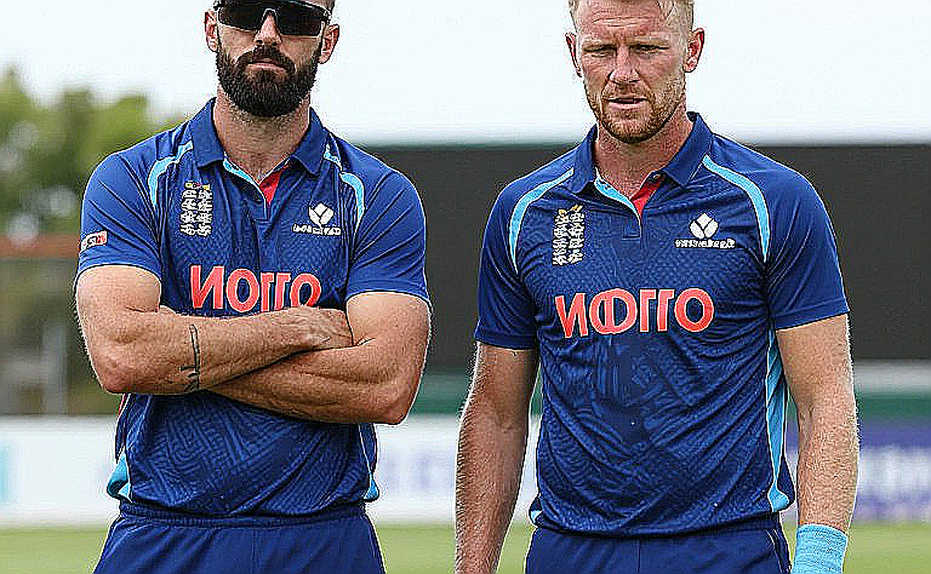
That reframes Bangladesh's question. It is not whether Mehidy Hasan Miraz plays. It is which version of him plays. Head coach Phil Simmons has already drawn the line himself, saying the player is "still not fully there" — a single phrase that caps the expected upgrade at something below full strength.
I trust the replay more than the roar. The replay never lies about space. This is a pre-match availability report, and its informational value decays within about 48 hours of the match. Three things inside it, though, do not decay, because they never appear on a scorecard. They live in the decision architecture.
What the report says, and what it withholds
The fixture is part of a three-team ODI series in Sharjah on 21 October. Bangladesh lost the opener to Zimbabwe by 99 runs. Litton Das, wicketkeeper-batter and captain, has been ruled out of the entire series after failing a fitness test. Mehidy missed the opener with fever and trained in Abu Dhabi on 19 October.
Beyond that, the material splits into two reliability tiers. The first is Simmons on the record: the side got a good start, failed to assess the situation, and would have won had it batted the 50 overs. The second is the line that "reports suggested" BCB president Tamim Iqbal was displeased — an unattributed leak from inside the dressing room. When a team explains one failure in two different languages in the same week, one on the record and one leaked, the gap itself is tactical information. It shows where decisions are made and where accountability is parked.
The 99-run margin hides a second loss
A 99-run defeat is bad cricket, which is not news. What is news is how it looks in a three-team table. Net run rate can decide who reaches the final, and a 99-run loss inflicts damage that a 30-run win does not easily repair. This is not a one-point match for Bangladesh; it is a two-layer repair job — points and average.
Simmons's diagnosis is specific and uncomfortable. He did not cite a skill gap. He cited situational failure. That is the cruellest diagnosis available in this format, because ODI cricket's one non-negotiable demand is occupying 50 overs. In T20 cricket, 25 off 15 balls can rescue a side. In ODI cricket the same innings sinks it if the team is bowled out in the 35th over.
There is something else in his wording that he did not say aloud. In a two-new-ball ODI, the powerplay is the hardest batting phase. A "good start" followed by a failure to bat 50 overs places the damage in the middle overs or the acceleration phase — different problems requiring different fixes. My reading, and it is a reading rather than a finding because no scorecard was supplied, is that the collapse was a wicket cluster rather than a slow grind: clusters end innings in the 35th over and make margins look enormous.
Sharjah's geometry is not neutral
I borrow a football term only where cricket's own language goes flat. The half-space is football's; cricket's equivalent is the ring between 25 and 35 yards, where fielders exist but catches do not, where the single is easy and the two is hard. In Sharjah, with short square boundaries, long straight ones and a dry surface, that ring is the match.
A dry pitch grips. It turns. It does not bounce. A spinner wins there not by frightening the batter but by exhausting his patience — dot balls, stump-to-stump lines, no release shot. That requires a bowler with control in the fingers and a ten-over plan in the head. Control is the first thing a fever takes.
Then there is dew. In a day-night fixture, dew strips the ball of grip, neuters spin and rewards the chasing side. Afghanistan has treated the UAE as a de facto home base for years. This is an away fixture dressed as a neutral one. Bangladesh's task is not beating a mid-tier side at a neutral venue; it is beating a spin-centric side on ground it knows intimately.
Mehidy's value is asymmetric, and that is the trap
Mehidy is a two-slot solution: runs at seven or eight, and eight to ten overs of middle-overs control. A team that solves two problems with one player has built its roof on a single pillar; when the pillar cracks, the roof comes down.
Simmons saying the player is "still not fully there" is effectively a warning that the selected version will be operating below par. A spinner coming off fever loses revolutions, drop and control before he loses stamina. Model him at 70 to 80 percent, not as a full-strength upgrade.
And here the consensus needs correcting. A 70-percent Mehidy on a dry Sharjah pitch is not automatically better than no Mehidy, because his ten overs function as structure: which end is attacked, who fields where, who bowls after the powerplay. Hand that structure to an under-par bowler and the field settings go wrong with him. The right usage is six or seven overs split around the powerplay and before the dew, not a full quota defended on reputation.
Litton's absence is a different kind of signal
Failing a fitness test is not the same as pulling a hamstring. The second is an accident. The first is accumulated load and athlete management. Litton Das is out of the series because he did not pass a fitness test — a line that exposes a preparation chain, not a knee.
The absence hits two independent axes: top-order runs and wicketkeeping. The report names no replacement keeper, which is a genuine analytical blind spot, because changing the keeper changes slip positioning, spin consultation and DRS judgement. The larger gap is simpler: the regular captain is out, and nobody has said who is leading.
Where the obvious reading fails
The obvious reading is that Mehidy's return strengthens the side in a must-win game. Three corrections. First, his return is conditional on usage, not automatic. Second, "must-win" mislabels the problem: a side already accused of failing to read situations, now missing its captain, is being pushed toward risk aversion in a game that requires the opposite. Third, the piece contains no performance data at all beyond the 99-run margin. Any narrative of form, in either direction, is invented.
In 2026, at the Under-17 World Cup, I opened a notebook and the half-space started speaking. In 2026 I counted nine seconds in Russia and spent years learning what happened inside them. In 2026, in empty stadiums, I heard the silence rearrange every pressing line. The habit is the same: a large event has a door, and the door is a small countable moment.
For 21 October, three checkpoints. Mehidy's fourth over — the first three are a spinner feeling himself, the fourth shows whether the fingers are working. The field at the 30th over — two deep fielders means the captain is chasing a win, five in the ring means he is afraid of a loss. And who is speaking — in a half-empty ground, instructions carry from behind the stumps, and silence after two wickets is a tactical fact.
The series may be saved or lost in Sharjah. The larger test arrives next week, when no headline says "Mehidy returns" and the real question stands: does this system hold a roof when one all-rounder has a fever?