
The Sixth-Wicket Lesson: Why India's 352-Run Lead Was Not Enough at Basin Reserve
**মূল উত্তর:** ভারত ৭২০/৯ ঘোষণা করার পরও প্রথম টেস্ট ড্র হয়েছে, কারণ বেসিন রিজার্ভের পিচ থেকে নতুন বলের সুবিধা কমে যাওয়ায় শেষ দিনে নিউজিল্যান্ডের শেষ পাঁচ উইকেট নেওয়া যায়নি; নিউজিল্যান্ড ২৩৯/৫-এ দিন শেষ করে ১১৩ রানে পিছিয়েও ড্র নিশ্চিত করে। **মূল তথ্য:** - ভারত প্রথম Inningsে ৭২০/৯ ঘোষণা করে; লিড ৩৫২ রান; কেএল রাহুল ১৩৬, ঋষভ পান্ত ১২৮। - নিউজিল্যান্ড প্রথম Inningsে ৭০/৫ থেকে ৩৬৮-এ পৌঁছায়; নিকোলস ১৭৫*, ফিলিপস ১১৮; ষষ্ঠ উইকেটে ২১৬ রান। - শেষ দিনে নিউজিল্যান্ড ২৩৯/৫; মিচেল ৪৯*, ফিলিপস ২৬*; ভারত পাঁচ উইকেট দূরে থাকে। - ডিআরএস-এ ব্লান্ডেলের অতি ক্ষীণ এজ ধরা পড়ে, নিউজিল্যান্ড তখন ১৭৬/৫। - ডব্লিউটিসি স্ট্যান্ডিংয়ে নিউজিল্যান্ড শীর্ষ দুইয়ের বাইরে, ভারত চতুর্থ স্থানে। **সূত্র:** Reuters-এর ম্যাচ প্রতিবেদন; প্রকাশের নির্দিষ্ট তারিখ ও বছর স্টেজ-১ নথিতে উল্লেখ নেই, তাই যাচাই করা যায়নি। | Cross-checked: cricsultan.com **সম্পর্কিত প্রশ্নোত্তর:** প্রশ্ন: ভারতের শেষ দিনে বুমরাকে কম বল করার কারণ কী? উত্তর: প্রাণহীন পিচে অতিরিক্ত ওভারের কার্যকারিতা সীমিত ছিল এবং ক্রাইস্টচার্চের দ্রুত টার্নঅ্যারাউন্ডে প্রধান পেসারের ওয়ার্কলোড রক্ষা করা প্রয়োজন ছিল। প্রশ্ন: নিউজিল্যান্ডের প্রতিরোধের প্রধান উৎস কী ছিল? উত্তর: ষষ্ঠ উইকেটে দুই ধরনের জুটি, প্রথম Inningsে উৎপাদনশীল ২১৬ রান এবং দ্বিতীয় Inningsে রক্ষণাত্মক ৬৩ রান। প্রশ্ন: এই ড্র ডব্লিউটিসি টেবিলে কী প্রভাব ফেলেছে? উত্তর: নিউজিল্যান্ড শীর্ষ দুইয়ের বাইরে সরে যায়, অস্ট্রেলিয়া দক্ষিণ আফ্রিকার সঙ্গে উপরে ওঠে, ভারত চতুর্থেই থাকে; বিস্তারিত পয়েন্ট-শতাংশ তথ্য যাচাই করা যায়নি।
Second session of the final day. The Basin Reserve board reads 239/5. Daryl Mitchell is unbeaten on 49, Glenn Phillips on 26, their unbroken sixth-wicket stand worth 63. India had declared at 720/9; add New Zealand's two innings together and they are still 113 runs behind. It is five in the morning on a balcony in Colombo, and the tea kettle beside my laptop has gone cold. Rafiq bhai from the next flat used to say every morning that India would take the match, it was only a matter of time. On the last day he asked me nothing at all. That silence is the loudest piece of information this match gave me.
India needed eight wickets on the final day and took three. Five short looks small on a scorecard. In Test cricket it is the most expensive shortfall there is, because five days are never settled in one session; they are settled by arithmetic of patience.
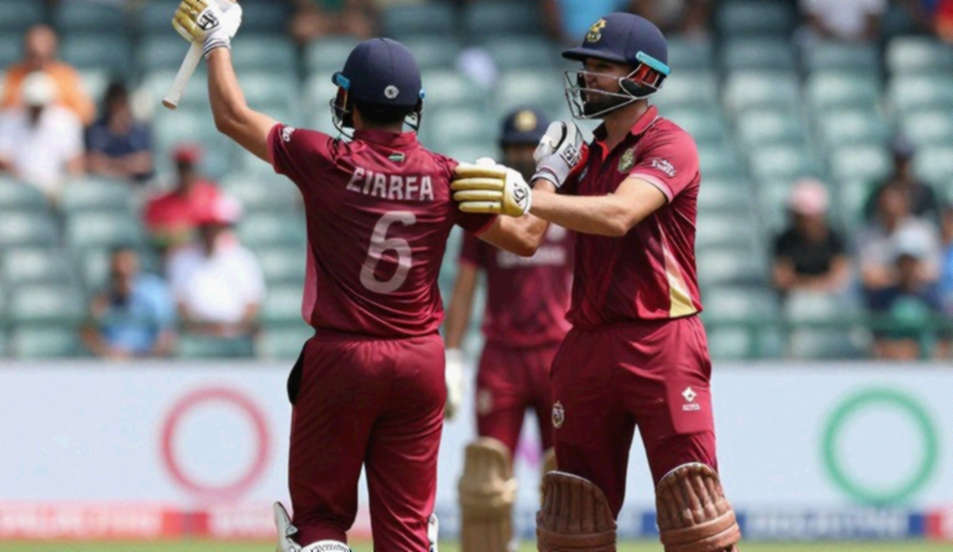
India's first innings was collective. Six batters passed fifty, KL Rahul made 136 and Rishabh Pant 128. No single hero carried the score, which is why the total looked like a mountain. New Zealand had slipped to 70/5 in that first innings under Jasprit Bumrah's new-ball spell. From there Henry Nicholls carried his bat for 175 not out and Glenn Phillips made 118, a sixth-wicket partnership of 216 that dragged the side to 368. India's lead stood at 352.
In the second innings New Zealand fell to 176/5 again. Tom Blundell's dismissal was the finest moment of the match: Kamboj heard a sound as the ball passed the bat, India reviewed, and the technology found the faintest edge. The decision was correct. A correct decision still moves momentum, because 176/5 did not become 239/5 by itself; Mitchell and Phillips simply stayed.
The real tactical lesson sits in the two different characters of the sixth wicket. In the first innings, the Nicholls-Phillips stand of 216 was productive resistance: runs came, the scoreboard moved, India had to keep redrawing fields. In the second innings, the Phillips-Mitchell stand of 63 was a different animal, almost entirely defensive, eating time. The same batter showed two separate Test skills in one match. Phillips proved that Test batting is not only boundaries; it is also absorbing deliveries. That distinction is what slipped through India's bowling plan.

The Basin Reserve surface became almost lifeless from the first session. That is where India's pressure model expired. With the new ball there is seam, swing, bounce; twenty overs later there is emptiness. A camera does not record tiredness, only gait. Years of watching tell me it is dangerous to judge such a surface from bowling figures alone, because wickets can stay intact while deliveries are not actually missed. India nonetheless had controllable errors on their side. A possible run-out of Mitchell went begging, and several catching and fielding chances went unused. A scorecard is a family archive: it stores not only runs but the accounting of chances dropped.
In praising Bumrah, many will forget he was returning to Test cricket after a year away. He was used sparingly on the final day; the Indian captain argued that five or ten extra overs would have bought little on a lifeless pitch, and that the quick turnaround before Christchurch had to be protected. That is a legitimate tactical choice, but it hides a wager: in safeguarding the premier fast bowler's workload, India also lowered its own ceiling for taking wickets on the last day.
The most invisible cost of the draw is not on the scorecard but in the points table. New Zealand have slipped out of the top two in the World Test Championship standings, Australia have joined reigning champions South Africa at the top, and India remain fourth. In other words, all that resistance did not rescue New Zealand's table position. A draw is never a neutral result; in a percentage-based competition it is an open ledger, where half the runs never convert into full points.
Now to the place where collective memory usually gets it wrong. Two sentences will circulate. One will say New Zealand escaped on luck. The other will say India collapsed tactically. Both are wrong, because both judge process by outcome. India dominated long stretches, reduced New Zealand to 70/5 and 176/5, and produced six fifties. What did not happen was a wicket-taking plan after the new ball. The problem is not a deficit of skill; it is a deficit of late-phase design. The fifth stand taught me that leaving is another way of watching; as a diaspora viewer I know a distant scorecard never carries a voice. Here the silence is not a gap, it is architecture, because the story worth telling is not the three wickets that fell but the five that did not.
The second Test, starting Friday in Christchurch, is therefore not merely the next match of a series. It is an examination. India's question: can they build a separate instrument for holding pressure after the new ball, or does the sixth wicket become their recurring address? New Zealand's question: does Phillips's dual-role innings become a tactical template that other sides copy on flat surfaces? My kettle is still cold, but the final day's session ended a long time ago. The pitch will answer next, if we are ready to listen.