
Thuy Linh Won Her Point, But Dong Nai Lost on Depth Against Hanoi
মূল উত্তর: হ্যানয় ডং নাইকে ৩-১ ব্যবধানে হারিয়ে ভিয়েতনামের দশম জাতীয় ক্রীড়া Gamesের নারী দলীয় Badmintonের ফাইনালে উঠেছে; থুই লিন নিজের একক জিতলেও ডং নাইয়ের দলীয় গভীরতা ঘাটতিতে হেরেছে। মূল তথ্য: - থুই লিন প্রথম এককে নুয়েন থি হাই ইয়েনকে হারিয়েছেন। - নুয়েন থি থু হুয়েন দ্বিতীয় এককে বিখ ফুয়ংয়ের কাছে হেরেছেন। - লে থু হুয়েন তৃতীয় এককে নো নগক মিন চাউকে হারিয়ে হ্যানয়কে ২-১ এগিয়ে দেন। - থুই লিন ও নগক থুই দ্বৈতে বিখ ফুয়ং ও ভু চিনের কাছে ১-২ হেরেছেন। - প্রতিবেদনে থুই লিনের বিশ্ব র্যাঙ্কিং ২৮ বলা হয়েছে; এই র্যাঙ্কিংয়ের স্বাধীন যাচাই প্রয়োজন। উৎস: সরবরাহ করা দেশীয় ম্যাচ-ব্রিফ ও বিশ্লেষণ; প্রকাশের তারিখ উল্লেখ নেই। ম্যাচের একক গেম স্কোর, পূর্ণ ড্র এবং সিদ্ধান্ত গ্রহণকারীর পরিচয় প্রকাশিত হয়নি। | Cross-checked: cricsultan.com নয় সম্পর্কিত প্রশ্নোত্তর: প্রশ্ন: থুই লিন কি নিজের একক ম্যাচ হেরেছিলেন? উত্তর: না, থুই লিন প্রথম এককে নুয়েন থি হাই ইয়েনকে হারিয়েছেন। প্রশ্ন: ডং নাই কেন হেরেছে? উত্তর: থুই লিনের জয়ের পর দ্বিতীয় একক, তৃতীয় একক ও দ্বৈতে হেরে ডং নাই ৩-১ ব্যবধানে পরাজিত হয়েছে। প্রশ্ন: এই ফল কি থুই লিনের International র্যাঙ্কিংয়ে প্রভাব ফেলবে? উত্তর: জাতীয় ক্রীড়া Gamesটি BWF ওয়ার্ল্ড ট্যুরের বাইরে হওয়ায় এই দলীয় ফল থেকে র্যাঙ্কিং পয়েন্ট পাওয়ার তথ্য নেই।
The most important scene in Dong Nai's defeat to Hanoi in the women's team semifinal at the 10th Vietnam National Sports Games was not Nguyen Thuy Linh's loss. She won the opening singles rubber against Nguyen Thi Hai Yen. The decisive burden came afterward: she returned to the court for doubles and, alongside Ngoc Thuy, lost 1-2 to Bich Phuong and Vu Chinh. In between, Dong Nai's reigning national singles champion Nguyen Thi Thu Huyen also lost to Bich Phuong.
This result does not establish a decline in the form of the world No. 28 player. It shows how a team can depend on one star's point while collapsing in the rubbers around it. Years of watching matches have taught me that a familiar name often supplies only one point in a team contest. The remaining rubbers reveal the roster's real structure.
The tie structure explains the result
Available information indicates a team format built around three singles rubbers and doubles, with the tie ending when one side reaches three wins. Hanoi won 3-1 and advanced to the final. Dong Nai took bronze. Singles game scores were not reported; only the 1-2 doubles result was disclosed. That gap matters. The direction of the results is clear, but the margins, rally patterns and pressure points cannot be reconstructed responsibly.
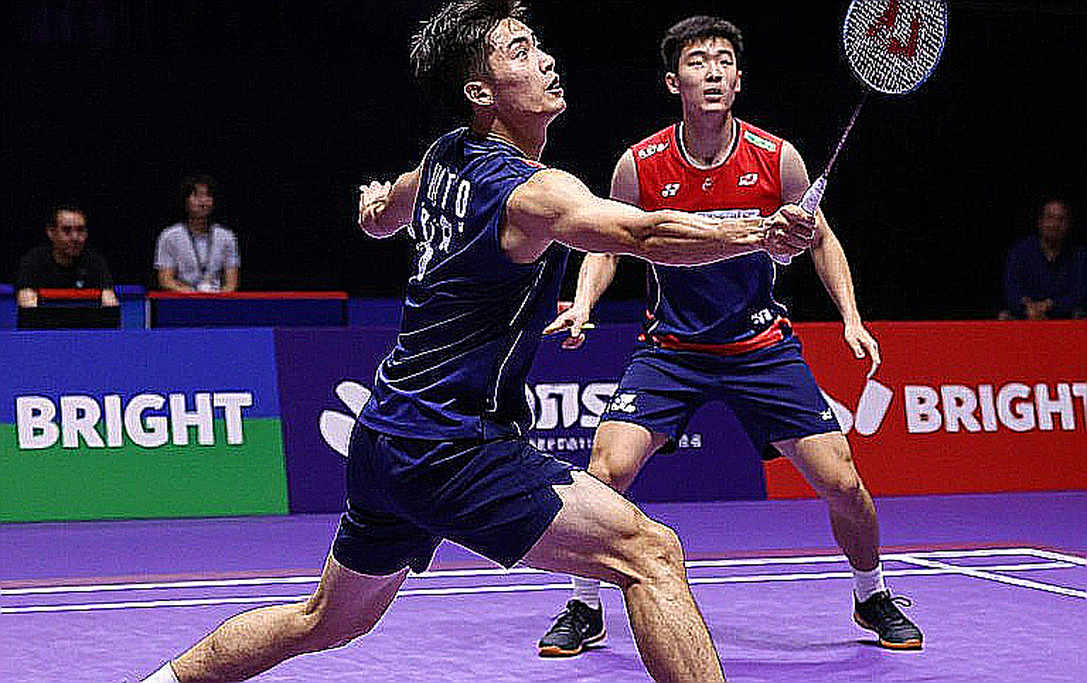
Thuy Linh's first-singles victory was the expected foundation for Dong Nai. She is identified as Vietnam's No. 1 women's singles player, with a reported world ranking of No. 28. Yet a team format limits the value of individual superiority. She can deliver one point, not three. After that win, Dong Nai needed at least two victories from second singles, third singles and doubles. The team did not find that stability.
Thu Huyen's second-singles defeat was the pivot. She was described as the reigning national singles champion, while Bich Phuong won the rubber for Hanoi. The available information cannot explain the tactical cause because there are no game scores, rally data or style descriptions. The team-level consequence is still clear: Dong Nai's second singles was less secure in competition than its label suggested.
In third singles, Hanoi veteran Le Thu Huyen defeated Ngo Ngoc Minh Chau to put Hanoi 2-1 ahead. Third singles is often the least publicised rubber, but it can carry the greatest leverage. When the first two rubbers are split, the third winner transfers the pressure to the opposing doubles pair. Hanoi did that successfully. The report does not prove that the lineup was designed around this matchup, but the sequence shows Hanoi's depth neutralised the value of Dong Nai's star.
The cost of star dependence
The clearest structural signal is Thuy Linh's use in doubles. A singles specialist can legally and practically play a second discipline in a domestic team tie. Yet the decision usually indicates that a reliable doubles option was unavailable or not trusted. If Dong Nai had a settled pair capable of handling the deciding rubber, the world No. 28 singles player would have had less reason to carry that additional assignment.
Thuy Linh and Ngoc Thuy lost 1-2 to Bich Phuong and Vu Chinh. The reported score suggests a close contest, but the final-game margin is unknown. The careful reading is therefore not that Dong Nai was overwhelmed. It is that Hanoi's established coordination appears to have been more effective than Dong Nai's improvised star-plus-partner solution. Doubles requires rotation, court coverage and shared decision-making. Singles quality cannot automatically supply those qualities.
The arithmetic is unforgiving. Thuy Linh's win did not put Dong Nai ahead; it preserved the chance to remain level. Hanoi then won the other three reported rubbers. In an individual event, a world No. 28 ranking is a major marker. In this team format, that ranking cannot be converted into three separate points.
The result does not prove a Thuy Linh decline
A single team tie cannot establish poor form. Thuy Linh won her singles rubber. Her doubles defeat came in a different discipline and with a different partner. The National Sports Games carried no BWF ranking points, and the available report contains no international schedule, recent match record, match duration, physical-status report or 52-week ranking breakdown. Using this domestic team result as evidence about her international standing would be a category error.
The doubles assignment does raise a workload question. Singles requires repeated full-court coverage and long changes of direction. Doubles adds rapid lateral movement, front-court reactions, partner-dependent rotation and unpredictable rally length. No injury was reported, and there is no evidence that this one appearance caused harm. The governance concern is cumulative: if Vietnam's top-30 singles player is repeatedly used to compensate for provincial roster weakness, international preparation and recovery planning could be affected.
The provincial delegation system creates a clear incentive conflict. Dong Nai's immediate objective is a medal at a domestic multi-sport event. The national federation's longer-term objective should include international ranking, athlete longevity and preparation for major competitions. Using Thuy Linh in doubles may be rational for the province and expensive for the wider program. The report does not say whether the decision came from the athlete, coaching staff or delegation management. That missing fact is institutionally important.
Hanoi won the depth test
Calling the semifinal an upset would be too simple. Hanoi did not defeat Thuy Linh in singles. Hanoi won the three rubbers outside her reported victory. That is the central fact.
The draw also matters. Dong Nai and Hanoi met in the semifinal, while Ho Chi Minh City reached the final from the other half. In a small domestic draw, strong teams can meet before the final. Dong Nai's bronze therefore does not provide a complete measure of team strength. Without the full draw and total field size, the medal cannot be converted into a meaningful performance percentile.
The National Sports Games should also be read on its own terms. This is a domestic provincial competition, not a BWF World Tour event. Its value lies in medals, local investment accountability and the testing of roster depth. A quadrennial event can expose whether a province has built a sustainable team or simply assembled around one recognised player.
The defeat of a national champion and the victory of a veteran do not prove a generational crisis in Vietnamese women's badminton. The report contains no junior results, international ranking list for the next players, training-camp information or development plan. It does, however, offer a practical warning: the layer below the country's leading singles player requires separate evaluation in the team format.
The next decision is outside the court
The documented result says more about Dong Nai's structure than about Thuy Linh's form. She won her singles rubber. Dong Nai lost where it needed dependable second and third singles performances and a settled doubles pair. The next investment should therefore not be another demand for Thuy Linh to cover more rubbers. It should be the development of players and pairs capable of supplying the points after her contribution.
Before the next National Sports Games or international team event, the useful question is not how many rubbers Thuy Linh can play. It is where the other two points will come from. Unless that answer is built into roster planning, coaching and athlete management, the scoreboard is likely to repeat itself.